



Have you ever noticed that the prices of the things you buy online seem to change for no rhyme or reason? I was recently shopping for my daughter’s first birthday, and I had my eye on the Rolls-Royce of kids’ wagons — this thing is nicer than some of the cars I drove in college.
But I wanted to do some research first. So I put the wagon in the online shopping cart while I read some expert and customer reviews. Not even a day later, I was back — and the wagon was a few dollars more expensive than it was the previous day.
For one item, a few dollars is not a big deal. But this can add up over time with regular purchases. See, some stores use surveillance data to determine your shopping behaviors, so they can pinpoint, with scary accuracy, the maximum amount you’ll pay for an item. I’ll explain how it works and what you can do to avoid it.
Sign up for Kiplinger’s Free Newsletters
Profit and prosper with the best of expert advice on investing, taxes, retirement, personal finance and more – straight to your e-mail.
Profit and prosper with the best of expert advice – straight to your e-mail.

(Image credit: Getty Images)
The Federal Trade Commission (FTC) conducted a surveillance pricing market study and found that retailers use factors such as your precise location, shopping history, demographics and internet browsing history to set prices.
“Initial staff findings show that retailers frequently use people’s personal information to set targeted, tailored prices for goods and services—from a person’s location and demographics, down to their mouse movements on a webpage,” said Lina M. Khan, who was then FTC chair, in the January 2025 report.
That might apply to online shopping, but can they also track you in-store? Yes. Retailers employ cameras and AI to determine how long you stay in a specific section, the products you’re looking at more, and to prevent food waste.
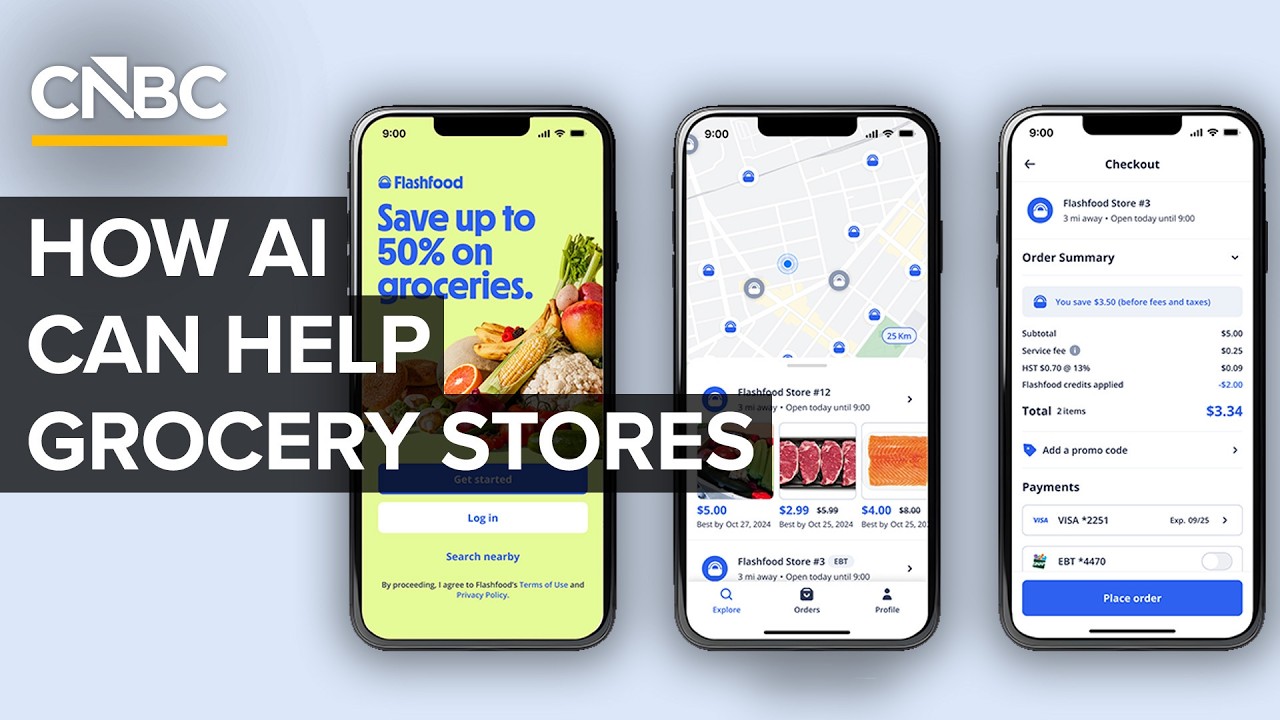
Retailers can also track your smartphone, using Bluetooth beacons, cellular signals and Wi-Fi routers. The beacons work by sending streams of Bluetooth signals that nearby devices detect, triggering app notifications to process data. These tools, with your purchase histories, allow them to track your shopping habits to set prices.
Why are companies spying on you?
Companies employ these tools for several reasons. Of course, the primary driver is to maximize revenue. Retailers can also use this information to monitor inventory levels, lower prices to undercut competitors, and make price adjustments based on customer behavior.
Think of it this way: Say you need to book a last-minute flight to attend a funeral. You shop around for flights, then get in touch with family members to arrange schedules.
You return to the website a day later only to find the fare has increased substantially. Why? Because the website has your browsing information. The algorithm likely knows why you’re booking the flight and that you have to fly on certain dates, and it raises prices knowing you’ll still need to buy. Here’s how to fight back.
How to protect your data and prevent price surges

(Image credit: Getty Images)
Thankfully, there are a few things you can do to prevent companies from harvesting your data to charge you more:
- Delete cookies regularly: Cookies are like your digital shadow, leaving a breadcrumb trail of what you search for online, what you have in your shopping cart and more. Deleting these regularly means retailers don’t have a full picture of your online shopping behavior, which, on its own, won’t stop it. But using this practice with a virtual private network can.
- Install a VPN: A VPN allows you to mask your location data, making it harder for retailers to use it to hike prices.
- Examine permissions for store loyalty programs: Some stores offer lower prices or free perks if you sign up for their loyalty program in exchange for collecting your data. Luckily, many of these programs have permissions you can access to turn data off. Open the app’s settings, find the privacy section and look for the “how we use your data.” There, you can opt out of some data collection methods, such as location tracking.
- Compare prices: When you shop, compare prices with your phone and computer, as a website might charge more based on the device you use. You can also compare prices by shopping for an item in a regular browser, then look for it again in incognito mode to see if there are any variances.
Along with using these tactics, know that some states also have data privacy protection laws that can shield you from paying more.
Some states are fighting back
Maryland became the first state to ban the use of surveillance data in grocery stores. And they’re not the only ones tackling the issue. Colorado and Connecticut lawmakers also just passed bans, and other state legislatures are working on similar proposals, including in New York and California.
There are 20 states with data protection laws, including California, Virginia, Colorado, Connecticut, Utah, Iowa, Indiana, Tennessee, Texas, Florida, Maryland, Minnesota, Montana, Oregon, Delaware, New Hampshire, New Jersey, Kentucky, Nebraska and Rhode Island. These laws allow customers to opt out of targeted advertising and the selling of their data. So, if you live in one of these states, I recommend learning more about the law and your rights under it.
Ultimately, retailers have become more adept at building shopper profiles using surveillance data. Unfortunately for you, this means they’re mainly using this information to see how much they can charge you for a good or service.
Your best course of action is to protect your data. Use a VPN, delete cookies regularly and remove location-tracking permissions on store loyalty apps. Doing these things makes it more difficult for retailers to track your information and keeps you less susceptible to price hikes.
Related content
We test and review VPN services in the context of legal recreational uses. For example: 1. Accessing a service from another country (subject to the terms and conditions of that service). 2. Protecting your online security and strengthening your online privacy when abroad. We do not support or condone the illegal or malicious use of VPN services. Consuming pirated content that is paid-for is neither endorsed nor approved by Future Publishing.
