



(Image credit: Getty Images)
Given rising energy costs, renters are looking for alternative ways to save on electricity. Plug-in solar panels are one potential solution, and they’re quickly gaining traction because of their ease of use. Lawmakers in Maine, New Hampshire, Vermont, Massachusetts, Connecticut and Rhode Island are all advancing proposals that would allow residents to use plug-in solar systems that connect to standard home outlets.
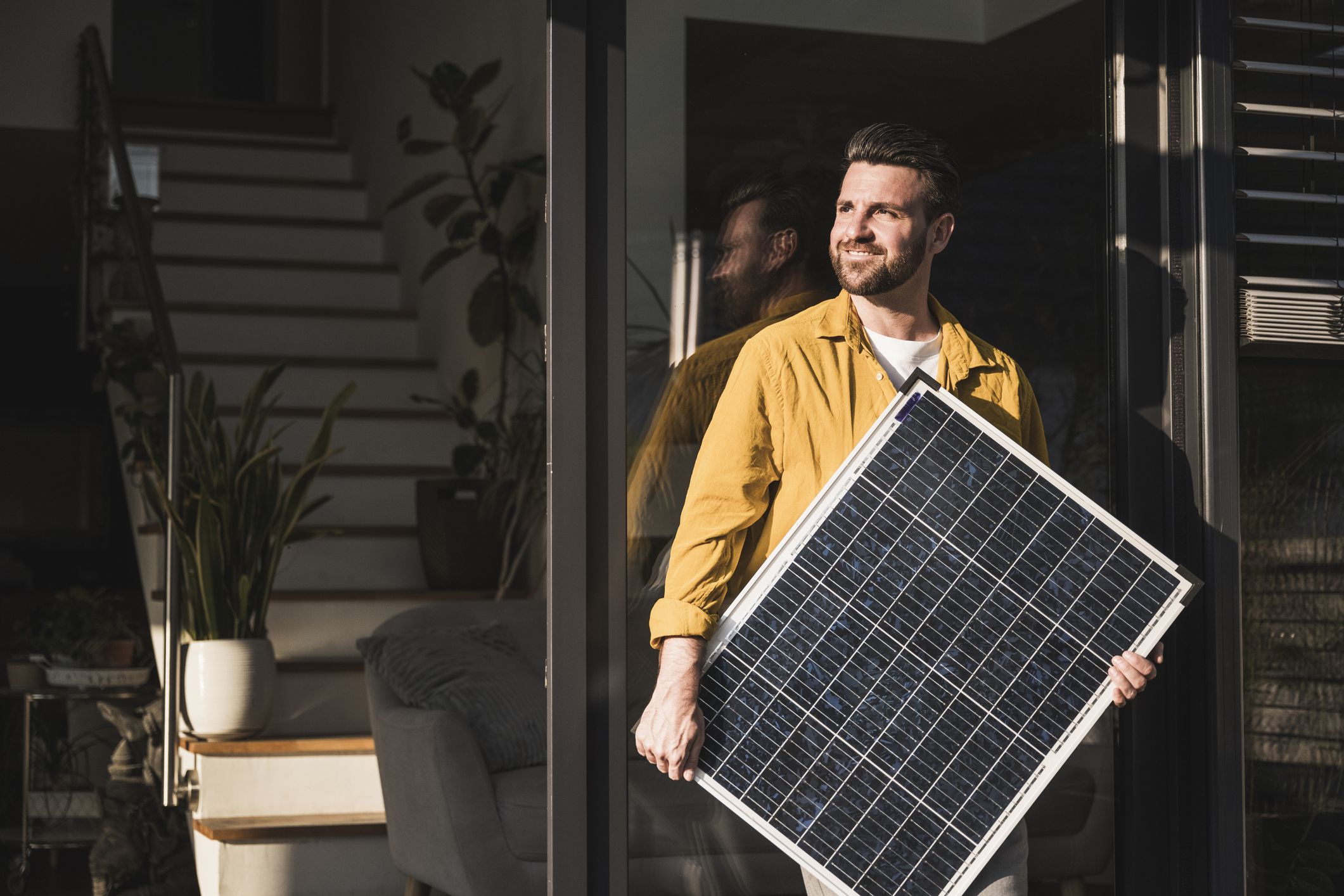
Plug-in solar systems, also called balcony solar systems, are smaller alternatives to traditional rooftop panels. These systems typically feature a compact solar panel that can be placed on a balcony or patio, without the need for complex installation.
That simplicity makes balcony solar a more practical option for renters who want to offset some electricity costs without making permanent changes to a rental unit. As interest in plug-in solar grows, states are beginning to revisit regulations around the technology, while renters weigh whether the potential savings justify the upfront cost.
Sign up for Kiplinger’s Free Newsletters
Profit and prosper with the best of expert advice on investing, taxes, retirement, personal finance and more – straight to your e-mail.
Profit and prosper with the best of expert advice – straight to your e-mail.
Why renters are suddenly interested in portable solar
Rising electricity costs are likely driving the growing interest in portable solar systems. According to the National Energy Assistance Directors Association, average summer residential cooling bills are projected to reach $778 in 2026. That’s an 8.5% increase from last year’s average bill of $717 and a 37.2% increase since 2020.
Traditional rooftop solar panels can help offset those costs, but they remain out of reach for many renters. Rooftop systems are expensive, require professional installation and permanently alter a building’s structure, meaning tenants would typically need a landlord’s approval before installing them.
Balcony solar systems offer a more flexible alternative. These smaller systems generally cost less upfront, don’t require permanent structural changes and can move with a renter from one property to another.
How much money can renters actually save?
Balcony solar setups will not power an entire rental property, but they can help offset some everyday electricity use. Most plug-in systems on the market range from about 400 to 800 watts, which is typically enough to help power smaller appliances like a Wi-Fi router and standby electronics.
The exact savings will depend on the size of the system you buy, your electricity usage, local utility rates and how much direct sunlight your panels receive. In many cases, renters may save anywhere from about $10 to $50 per month, with higher savings possible in states where electricity costs are more expensive, according to EnergySage.
Over the course of a year, a well-placed system in a sunny location could offset several hundred dollars in electricity costs.
How much do balcony solar systems cost?

(Image credit: Getty Images)
Balcony solar systems can vary significantly in price depending on their size, battery storage capacity and portability features. Smaller plug-in systems designed to offset basic apartment electricity use may cost a few hundred dollars, while larger systems with battery backup and indoor power storage can range from about $2,000 to more than $3,000.
Some of the most recognizable brands in the portable solar market include Jackery, EcoFlow and Anker. Many of these systems combine portable solar panels with battery storage, allowing renters to store power for later use or provide backup electricity during outages.
More expensive systems typically offer larger battery capacity, faster charging speeds and greater flexibility for indoor and outdoor use. But renters should also consider whether the potential energy savings justify the upfront cost. In some cases, it could take several years of lower electricity bills to offset the price of a premium solar energy system.
Before buying a balcony solar kit, renters should consider portability, balcony space, sunlight exposure and whether the unit has appropriate safety certifications. Smaller apartments with limited direct sunlight may not generate enough electricity to justify a larger setup.
Below are a few standout solar power kits we found:
Image 1 of 3


The legal gray area around plug-in solar in the U.S.
While plug-in solar adoption is already widespread in countries like Germany, regulations in the United States are still evolving.
Some states are beginning to ease restrictions on balcony solar systems. Utah has passed legislation making it easier for renters to use plug-in solar panels, while California and Illinois are considering broader legalization efforts. In some cities, renters may still need permits or approval before installing a system, so accessibility can vary depending on where you live.
Many of these regulations stem from utility and safety concerns tied to how solar systems connect to the electrical grid. Traditional rooftop solar systems are professionally installed and include technology designed to prevent excess electricity from flowing back into the grid.
Most balcony solar systems work differently. Rather than feeding large amounts of power into the grid, they are typically designed to help offset electricity used directly inside a rental unit. But some laws and local regulations do not yet distinguish between rooftop and plug-in systems, meaning renters may still face permit requirements or installation restrictions.
What renters should know before buying a system
Before you buy a plug-in solar system, consider the following factors:
- Landlord and HOA considerations: Rental agreements and HOA regulations may restrict the use of balcony solar systems. Before buying a system, check your lease and any building or community rules to confirm that plug-in panels are allowed.
- Safety certifications: Since these systems connect to your home’s electrical system, safety certifications matter. UL Solutions has developed a testing and certification standard for plug-in solar systems based on UL 3700. Look for certified systems and avoid cheap or uncertified products.
- Sun exposure: Your savings will depend heavily on how much sunlight your panels receive. Balconies with limited direct sun or heavy shade may produce far less energy, reducing the return on your investment. The direction your balcony faces can also affect performance.
Could balcony solar become mainstream?
Europe has already embraced balcony solar, offering a glimpse at how the technology could expand in the United States. Germany has become one of the leading examples of adoption. According to Euronews, more than one million plug-in solar systems were installed in Germany between 2022 and 2025. Government incentives and falling solar equipment prices have likely helped fuel that growth.
Alternative energy sources like solar may help renters and homeowners reduce electricity costs, but the future of balcony solar in the U.S. will likely depend on how quickly states update regulations and make the systems easier to install and use.
