


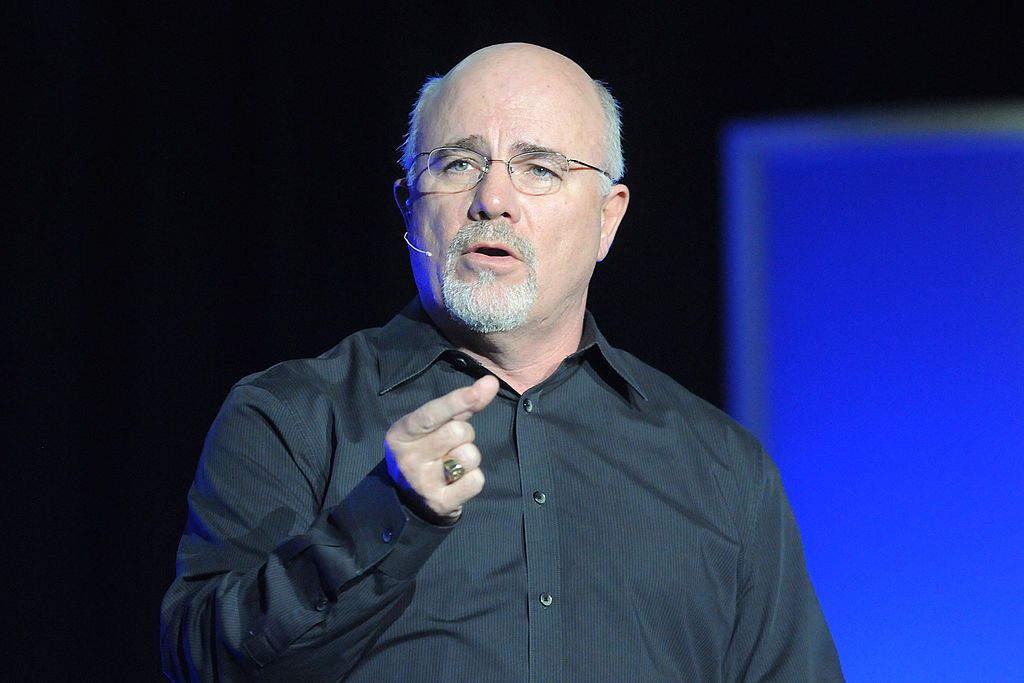
When it comes to imparting retirement advice, Dave Ramsey has been at it for over three decades. The retirement expert, author and podcaster has helped millions of people navigate the complexities of retirement saving and preparing.
While not everyone agrees with the advice Ramsey has to offer — from saving 15% of your annual salary to not relying on Social Security only in retirement — most can agree that Ramsey is influential in the world of personal finance.
As you approach your golden years or if you are already in them, filtering his high-energy principles into actionable strategies can be the difference between a stressful retirement and a secure one. With that in mind, here are 8 pieces of Dave Ramsey advice that retirees may want to live by.
Sign up for Kiplinger’s Free Newsletters
Profit and prosper with the best of expert advice on investing, taxes, retirement, personal finance and more – straight to your e-mail.
Profit and prosper with the best of expert advice – straight to your e-mail.

(Image credit: Getty Images)
8 pieces of Dave Ramsey advice that can help guide retirement
1. Always think of this payout [Social Security] as icing on the cake, not the cake itself.”
Ramsey Solutions blog, June 11, 2024
Social Security is a crucial source of income, and for many retirees, it is often the only one. Unfortunately, it may not be enough.
For 2026, the average monthly Social Security check is $2,081.16. If that’s your sole source of income, you may have to downgrade your lifestyle or get a part-time job to make it work.
Ramsey suggests people save about 15% of their income each year for retirement, instead of assuming Social Security will be enough. Remember, any amount you can save for retirement is better than nothing.
2. “Inflation comes and goes, so do returns…What you don’t want to do is draw out so much that you end up running out of money before your life is over.”
Ramsey Everyday Millionaires, podcast May 15, 2025
When creating a retirement withdrawal plan, inflation has to be taken into account. It can impact your daily expenses and cannot be ignored. The same can be said of market returns. They can ebb and flow, creating short-term volatility.
The trick during these times is to keep withdrawals steady and on plan. You can run out of money in retirement if you withdraw too much, warns Ramsey. Plus, if you withdraw money during a downturn in the markets, you’re more likely to sell a holding for a lower amount.
The right withdrawal strategy will be different for everyone, but common ones include the 4% rule, the bucket approach, and the “pay yourself” strategy.

(Image credit: Getty Images)
3. “Retirement planning isn’t an ‘old people’ thing. It’s a smart people thing. And it’s never too early to start planning for your retirement future.”
Dave Ramsey blog post, January 6, 2026
It’s never too early or too late to start planning and saving for retirement. Young people may think it’s something they can worry about later, while older adults might assume it’s too late to make a dent.
Both assumptions are wrong — anyone can plan for retirement, and the benefits can be substantial. Even a little bit saved can grow significantly, thanks to market returns and compounding.
If you don’t want to hire a financial adviser to create a retirement plan, there are plenty of online calculators, software and tools to help you build your own.
4. “No one leaves a legacy by accident. You must live life on purpose and come up with a plan to protect your legacy and make sure the baton is passed to the next generation.”
Ramsey Solutions blog post, May 8, 2025
If legacy is at the top of your priority list, then this one is for you. With these words, Ramsey is reminding us that you have to work hard and plan hard to build a legacy you can pass on to the next generation.
That means not only setting financial goals and boundaries and living within them, but also creating an estate plan to protect them.
It may be the last thing you want to do, but creating a will, trusts, and health care directives ensures your legacy can carry on. For a comprehensive guide to estate planning, click here.
5. “At most any age at any income, 15% is a good, healthy amount (to save)… but it’s not a magic number.”
The Ramsey Show, March 11, 2022
The sooner you start saving for retirement, the bigger the nest egg you will amass. Whether you have years left in the workforce or are thinking of retiring soon, saving for it can have a big impact on your retirement lifestyle.
Ramsey thinks people should save around 15% of their annual income for retirement, but cautions it’s not a “magic number.”
You may need more or less depending on your age and goals. Contributing that much to a 401(k) or IRA may not be possible for some individuals. In that case, aim for at least the company match, if it’s offered.
Ramsey says the key to making sure you have enough saved is to create a budget that you can realistically stick to. It gives you “permission to spend,” and it also brings you peace of mind.
6. “The trick to knowing when to take Social Security is knowing when you are going to die. Once you have that figured out, then you can calculate it precisely.”
Ramsey Everyday Millionaires podcast, May 15, 2009
Nobody knows when they will die, which makes deciding when to claim Social Security so scary. Do it too early and live to 90, and you could run out of money. Take it so late that you don’t have much time to enjoy it while you’re still healthy, and you’ll regret waiting.
While there isn’t a precise way to decide when to claim Social Security benefits, there are some things to consider:
-If you take it before your full retirement age (67 for people born in 1960 and beyond), you’ll receive up to a 30% reduction in your lifetime benefits.
-If you wait until your full retirement age, you’ll receive your full benefits.
-Every year you wait after your full retirement age (up until age 70), you’ll receive an 8% increase.
7. “Retirement is not an age; it’s a financial number.”
Ramsey Solutions blog April 17, 2025
It’s hard to call it quits if you won’t be able to live comfortably in retirement, which is why Ramsey calls it a “financial number.” You may want to retire at 62, 65, or even 70, but if you don’t have enough money, you can’t. Your retirement isn’t dictated by age; it’s dictated by your bank account.
To put yourself in a good retirement position, Ramsey is a fan of investing and paying off your mortgage. If you invest your savings, you have the opportunity to see them grow and compound. If you pay off your mortgage, it’s a large expense you’re eliminating in retirement, he says.
Still, critics argue that if you have a low mortgage rate, it’s better to invest that money instead of paying it off.
8. “People underestimate how long they’ll live and how much money they’ll need…They retire broke or way too early. It’s like jumping out of a plane without checking your parachute.”
Interview with Kiplinger, October 21, 2025
Retirement can last thirty years, and who knows how much longer as advances in medicine and technology continue undeterred. That means you’ll need a lot of money to live comfortably in retirement. Whether you amass a small fortune or a little nest egg, determining how much you’ll need is the key to success.
Do that by coming up with a realistic number that takes into account every expense, including needs and wants. Once you know how much you’ll need, you can plan.
It could mean increasing your savings rate, finding ways to cut expenses or simply staying the course. That number is your “parachute,” so make sure you calculate it correctly.
Plan, plan and more planning
Retirement doesn’t have to be a giant question mark. If you take a page out of Ramsey’s playbook — saving for retirement and mapping out the journey step-by-step — you can enable a more confident future.
Whether you are deciding when to collect Social Security benefits or thinking about your legacy, following Ramsey’s advice can help you retire with peace of mind.
Editor’s note: This article is part of an ongoing series featuring the best retirement quotes and wisdom from top financial experts, leaders, and public figures. Other articles feature Warren Buffett, Michael Jordan, Mark Cuban, Jimmy Buffett, Dr. Seuss, Bruce Springsteen, Bob Dylan, Vince Lombardi, Dolly Parton, Ozzy Osbourne, Stevie Nicks, George Carlin, and Billy Joel.
