Close Menu
Money MechanicsMoney Mechanics
    What's Hot

    Meta steals a tactic from Tesla and builds data centers in tents

    June 4, 2026

    U.S. oil shocks don’t hit like they used to, Fed study finds

    June 4, 2026

    OIC 2026: Volatility as an Asset Class: Evolving Strategies in the Options Market

    June 4, 2026
    Facebook X (Twitter) Instagram
    Trending
    • Meta steals a tactic from Tesla and builds data centers in tents
    • U.S. oil shocks don’t hit like they used to, Fed study finds
    • OIC 2026: Volatility as an Asset Class: Evolving Strategies in the Options Market
    • Affordable Retirement Towns Face a Costly Healthcare Crisis
    • June Tax Deadlines and IRS Refund Status: What Taxpayers Need to Know This Month
    • Gifting for a Wedding or Graduation? See if You Know IRS Gift Tax Rules
    • 10 Tech Stocks Offering a Compelling Alternative as Bitcoin Plummets
    • Managing the High Cost of Mental Health Care
    Facebook X (Twitter) Instagram
    Money MechanicsMoney Mechanics
    • Home
    • Markets
      • Stocks
      • Crypto
      • Bonds
      • Commodities
    • Economy
      • Fed & Rates
      • Housing & Jobs
      • Inflation
    • Earnings
      • Banks
      • Energy
      • Healthcare
      • IPOs
      • Tech
    • Investing
      • ETFs
      • Long-Term
      • Options
    • Finance
      • Budgeting
      • Credit & Debt
      • Real Estate
      • Retirement
      • Taxes
    • Opinion
    • Guides
    • Tools
    • Resources
    Money MechanicsMoney Mechanics
    Home»Earnings & Companie»Energy»U.S. oil shocks don’t hit like they used to, Fed study finds
    Energy

    U.S. oil shocks don’t hit like they used to, Fed study finds

    Money MechanicsBy Money MechanicsJune 4, 2026No Comments2 Mins Read
    Facebook Twitter LinkedIn Telegram Pinterest Tumblr Reddit WhatsApp Email
    U.S. oil shocks don’t hit like they used to, Fed study finds
    Share
    Facebook Twitter LinkedIn Pinterest Email


    (Oil Price) – The United States still feels oil shocks. It just doesn’t feel them the way it did when America was dancing to disco and waiting in gas lines. If the Fed is right, the idea that every oil shock leads to recession is outdated.
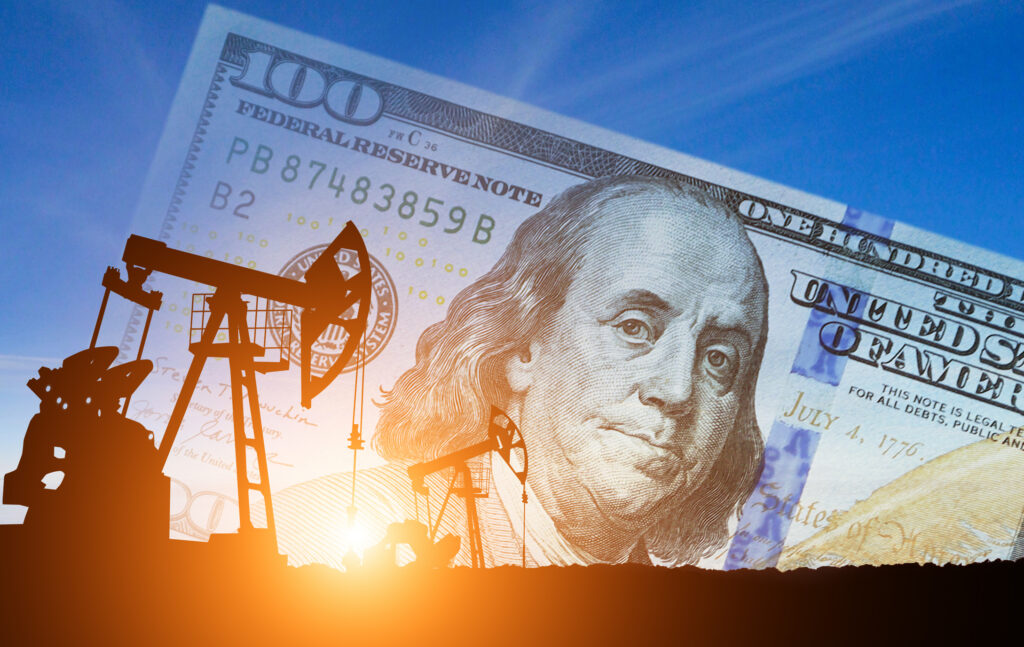
    U.S. oil shocks don't hit like they used to, Fed study finds- oil and gas 360


    A new study from the Federal Reserve Bank of Boston finds that rising domestic oil production has fundamentally changed how higher crude prices ripple through the U.S. economy. The result is a country that remains vulnerable to energy inflation but is far less likely to suffer the kind of employment damage that accompanied the oil crises of the 1970s.

    Researchers estimate that the current oil shock tied to the Iran war—a roughly 33% price shock under the Fed’s methodology—would add about 1.5 percentage points to inflation over the following year. In the 1970s, a comparable shock would have pushed inflation up by roughly 2.2 percentage points.

    The bigger change shows up in jobs.

    According to the study, a shock of that magnitude would have reduced employment growth by about 1.8 percentage points in the 1970s. Today, that effect has largely vanished.

    The reason sits beneath the shale fields of Texas, New Mexico, North Dakota, and Oklahoma.

    Before the shale boom, higher oil prices mostly acted as a tax on the broader economy. Today, some regions lose while others win. The Fed found that Texas could see employment growth rise by roughly 1.7 percentage points after an oil shock, while states with little oil production, such as Massachusetts, would likely experience job losses.

    The study argues that these regional offsets have become large enough to cushion the national labor market.

    Another finding may be even more important for policymakers. The United States now uses less than one-third as much oil per unit of economic output as it did during the 1970s, while becoming a net exporter of petroleum products thanks largely to the shale revolution.

    That has reduced the economy’s overall oil dependence. It has not eliminated inflation risk.

    In fact, the Fed suggests the employment side of the equation has weakened so much that future oil shocks may increasingly look like an inflation problem rather than a recession problem.

    For the Federal Reserve, that’s a very different headache than the one policymakers faced fifty years ago.

    By Julianne Geiger for Oilprice.com


    Source link

    Federal Reserve Bank study inflation Oil shock oil shocks recession U.S.
    Share. Facebook Twitter Pinterest LinkedIn Tumblr Telegram Email
    Previous ArticleOIC 2026: Volatility as an Asset Class: Evolving Strategies in the Options Market
    Next Article Meta steals a tactic from Tesla and builds data centers in tents
    Money Mechanics
    • Website

    Related Posts

    The next oil crisis may be the recovery

    June 4, 2026

    Strain grows on shipping industry with vessels stuck inside Hormuz

    June 3, 2026

    Supply risks are building beneath the surface

    June 3, 2026
    Add A Comment
    Leave A Reply Cancel Reply

    Top Posts

    Meta steals a tactic from Tesla and builds data centers in tents

    June 4, 2026

    U.S. oil shocks don’t hit like they used to, Fed study finds

    June 4, 2026

    OIC 2026: Volatility as an Asset Class: Evolving Strategies in the Options Market

    June 4, 2026

    Affordable Retirement Towns Face a Costly Healthcare Crisis

    June 4, 2026

    Subscribe to Updates

    Please enable JavaScript in your browser to complete this form.
    Loading

    At Money Mechanics, we believe money shouldn’t be confusing. It should be empowering. Whether you’re buried in debt, cautious about investing, or simply overwhelmed by financial jargon—we’re here to guide you every step of the way.

    Facebook X (Twitter) Instagram Pinterest YouTube
    Links
    • About Us
    • Contact Us
    • Disclaimer
    • Privacy Policy
    • Terms and Conditions
    Resources
    • Breaking News
    • Economy & Policy
    • Finance Tools
    • Fintech & Apps
    • Guides & How-To
    Get Informed

    Subscribe to Updates

    Please enable JavaScript in your browser to complete this form.
    Loading
    Copyright© 2025 TheMoneyMechanics All Rights Reserved.
    • Breaking News
    • Economy & Policy
    • Finance Tools
    • Fintech & Apps
    • Guides & How-To

    Type above and press Enter to search. Press Esc to cancel.