


(Image credit: Getty Images)
Buying a used car from a private seller can be a smart way to save money. New vehicles lose value quickly, depreciating about 30% in their first two years and another 8% to 12% annually after that, according to Kelley Blue Book.
At the same time, dealership prices and fees remain elevated, making even used vehicles a significant purchase. As a result, many buyers turn to private sellers in search of a better deal.
A private-party sale can offer substantial savings, but it also comes with added risks. Unlike dealership purchases, private sales are typically sold as-is and often don’t include vehicle warranties or other consumer protections. Before handing over your money, it’s important to take a few key steps to protect yourself and make sure you’re getting the vehicle you expect.
Sign up for Kiplinger’s Free Newsletters
Profit and prosper with the best of expert advice on investing, taxes, retirement, personal finance and more – straight to your e-mail.
Profit and prosper with the best of expert advice – straight to your e-mail.
Understand what “as-is” really means
Buying a car “as-is” means you’re purchasing it without a warranty and accepting responsibility for any existing or future problems, whether they’re known or hidden. Because private sellers can’t certify vehicles or provide warranties, most private-party sales are conducted on an as-is basis.
That can leave buyers with limited legal options if something goes wrong after the purchase. In many states, lemon laws that protect consumers from defective vehicles don’t apply to private sales.
For that reason, it’s essential to thoroughly evaluate any vehicle before buying it from a private seller. Taking the time to inspect the car, review its history and verify its condition can help you avoid costly surprises later.
Start with the title before anything else
Before you inspect a vehicle, verify that the seller actually owns it. Ask to see the title and make sure the seller’s name matches the name listed on the document. If it doesn’t, the seller may not have the legal right to sell the vehicle.
Review the title carefully for any liens, which indicate that money is still owed on the vehicle. A lien must typically be satisfied before ownership can be transferred. You should also look for title brands such as “Salvage” or “Rebuilt,” which indicate the vehicle has sustained significant damage in the past.
A rebuilt title means the vehicle was previously declared a total loss but was later repaired and returned to the road. While some rebuilt vehicles can be safe and reliable, it’s important to have an experienced mechanic inspect the repairs and evaluate the vehicle’s condition before you buy it. Because salvage and rebuilt vehicles generally carry more risk and have lower resale values, they should be priced below comparable vehicles with clean titles.
Run a vehicle history report
Using the vehicle’s 17-character VIN on the driver’s side dashboard or the driver’s side door jamb, run a search using a platform like CARFAX or AutoCheck.
Review the vehicle history report for potential issues, including its:
- Accident history
- Odometer rollbacks
- Flood damage
- Title brands
- Ownership history
Look for inconsistencies between the information on the history report and the information the seller is giving you. Those inconsistencies might be a red flag and a warning to walk away from the purchase.
Get the car inspected by a mechanic
(Image credit: Getty Images)
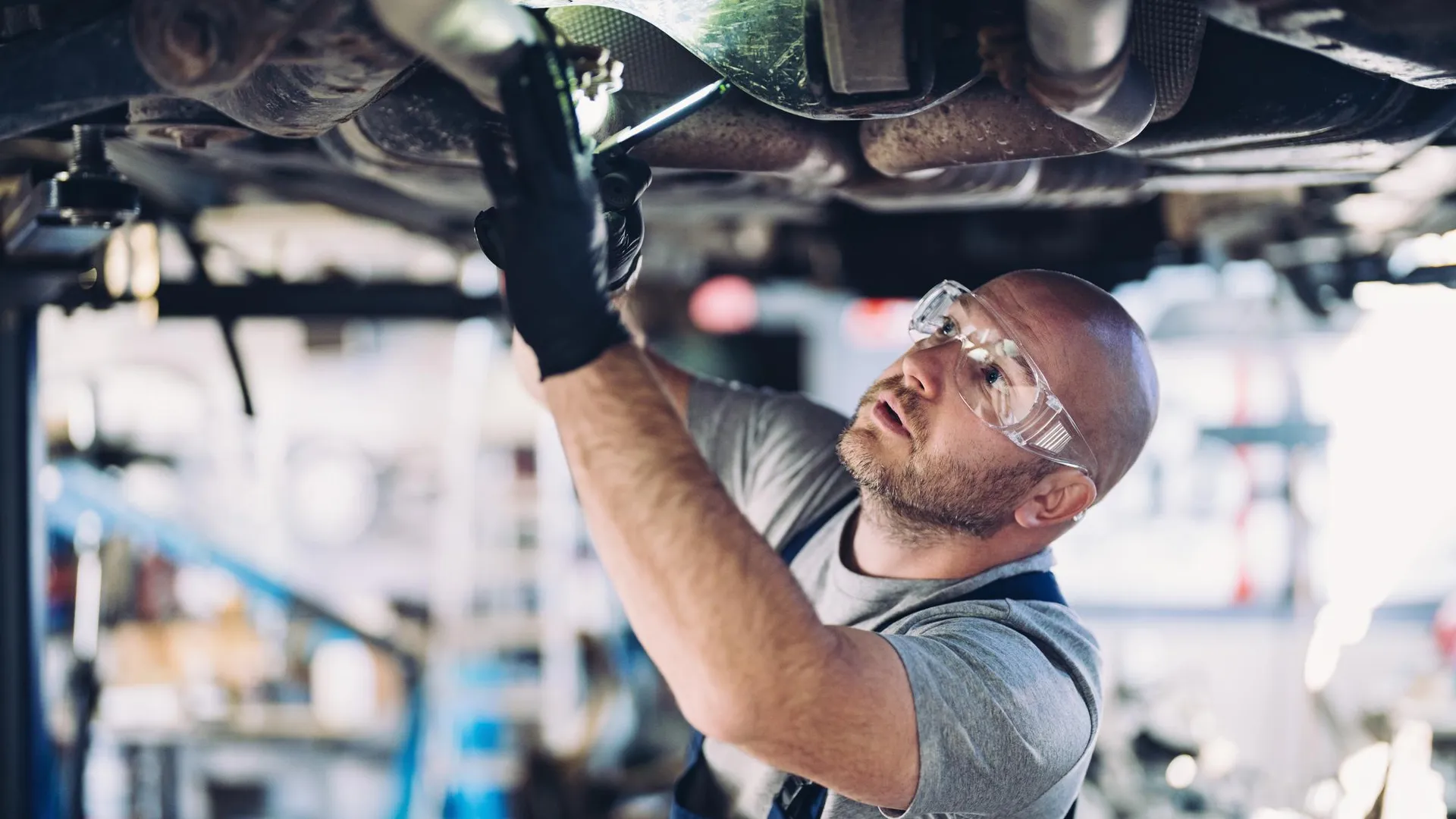
Paying for a pre-purchase inspection can be one of the smartest investments you make when buying a used car. During the inspection, a mechanic will evaluate the vehicle’s overall condition, including its electronics, engine, transmission, brakes and structural components, while looking for signs of wear, damage or poor repairs.
A professional inspection may uncover hidden problems such as fluid leaks, frame damage, rust, transmission issues or warning lights that aren’t immediately obvious during a test drive. Spending a few hundred dollars on an inspection could save you thousands in unexpected repair costs by identifying major issues before you complete the purchase.
Inspect the car in daylight
Inspect the car in daylight so you can more easily spot potential problems. Look for uneven paint, mismatched panels or gaps in the body, which could indicate prior damage or poor repairs. Check the tires, too, since uneven wear patterns may point to suspension or alignment issues.
As you review the interior and exterior, watch for signs of flood damage, such as mud under the seats, a musty odor, moisture in the engine compartment or stained carpeting.
Test the vehicle’s electronics and features before you buy. Turn on the heat and air conditioning, check the lights, test the backup camera and make sure the digital console works properly. Electrical repairs can be expensive, especially on newer vehicles, so take your time confirming that these features are fully functional.
Take a real test drive
Take the vehicle on a thorough test drive that includes both city streets and highway driving. Listen for unusual noises and pay attention to how the car handles at different speeds.
Test the brakes, including a firm stop when it’s safe to do so, and note whether they feel responsive.
As you drive, check whether the vehicle tracks straight or pulls to one side, which could indicate alignment or suspension issues. Also, make sure the transmission shifts smoothly and consistently throughout the drive.
Questions every buyer should ask
Be prepared to ask the seller all of the right questions:
- Why are you selling?
- How long have you owned it?
- Do you have maintenance records?
- Has it ever been in an accident?
- Are there any current mechanical problems?
Asking these questions ahead of time may help you identify potential issues and decide whether it’s worth going to test drive the vehicle. When you go see the vehicle, be prepared with a list of any additional questions you want to ask.
Red flags that should make buyers walk away

(Image credit: Getty Images)
Watch out for red flags that mean you should walk away from the vehicle:
- Seller refuses an inspection: A seller who refuses an inspection may be trying to hide a known issue that could be revealed during the inspection.
- Seller pressures quick payment: A deposit should be enough to hold the vehicle while you arrange the payment for the remaining balance. Determine a payment timeline before you put down the deposit. If a seller pressures you to pay quickly, walk away.
- Price seems too low: Vehicle prices are at a premium right now. A price on a used vehicle that seems too good to be true probably is.
- Title issues or excuses: Look for a vehicle with a clean title. If a seller can’t or isn’t willing to produce the title upfront, there may be issues that you’ll want to avoid.
- Cash-only demands: Some sellers may ask for payment in cash for a lower-value vehicle. Be cautious with these arrangements, and make sure they’re conducted in a safe location. A cashier’s check is a much safer option than carrying a large amount of cash on you.
How to pay safely
When paying the seller, arrange to meet at a bank or a safe-exchange zone at a police station. Use a cashier’s check or a secure money transfer method. Be sure that you and the seller complete and sign a bill of sale, and that you each retain a copy of the document.
Before you complete the purchase, verify your state’s title requirements. In many states, the seller will need to sign and date the back of the title. Don’t complete the transaction unless you receive a signed copy of the title.
Don’t let a bargain become an expensive mistake
Buying a used car from a private seller can be an effective way to save money, but those savings can disappear quickly if you overlook warning signs or skip important steps. Taking the time to verify the title, review the vehicle’s history, schedule a pre-purchase inspection and thoroughly test drive the car can help you avoid costly surprises.
Approach the transaction carefully and don’t let emotions or pressure influence your decision. If something doesn’t seem right or the seller is unwilling to answer questions or provide documentation, be prepared to walk away. There will always be another vehicle, but recovering from a bad purchase can be much more difficult.
