Close Menu
Money MechanicsMoney Mechanics
    What's Hot

    Why a Rushed Gray Divorce Can Quietly Destroy Your Retirement

    May 15, 2026

    How to Save Some Moola as the Insurance Market Shifts

    May 15, 2026

    ETF League Tables: Invesco Pulls In $4.9B

    May 15, 2026
    Facebook X (Twitter) Instagram
    Trending
    • Why a Rushed Gray Divorce Can Quietly Destroy Your Retirement
    • How to Save Some Moola as the Insurance Market Shifts
    • ETF League Tables: Invesco Pulls In $4.9B
    • 3 Altcoins Showing Strong Technical Setups Despite Cautious Crypto Market
    • Global property softening met by underwriting discipline and rising ART interest: Aon
    • Canada’s energy basins: Onshore, offshore, frontier, and what comes next
    • Why Carrie Underwood Rejected L.A. Glamour To Live on Tennessee Farm
    • Speech by Governor Barr on the balance sheet
    Facebook X (Twitter) Instagram
    Money MechanicsMoney Mechanics
    • Home
    • Markets
      • Stocks
      • Crypto
      • Bonds
      • Commodities
    • Economy
      • Fed & Rates
      • Housing & Jobs
      • Inflation
    • Earnings
      • Banks
      • Energy
      • Healthcare
      • IPOs
      • Tech
    • Investing
      • ETFs
      • Long-Term
      • Options
    • Finance
      • Budgeting
      • Credit & Debt
      • Real Estate
      • Retirement
      • Taxes
    • Opinion
    • Guides
    • Tools
    • Resources
    Money MechanicsMoney Mechanics
    Home»Earnings & Companie»Energy»The grid is losing its buffer: Oil and gas as a reliability anchor in a changing grid
    Energy

    The grid is losing its buffer: Oil and gas as a reliability anchor in a changing grid

    Money MechanicsBy Money MechanicsMay 9, 2026No Comments3 Mins Read
    Facebook Twitter LinkedIn Telegram Pinterest Tumblr Reddit WhatsApp Email
    The grid is losing its buffer: Oil and gas as a reliability anchor in a changing grid
    Share
    Facebook Twitter LinkedIn Pinterest Email


    (By Oil & Gas 360) Part II – As U.S. power markets move to reprice reliability, another shift is taking place: the role of oil and gas operators is being reconsidered in the context of grid stability.

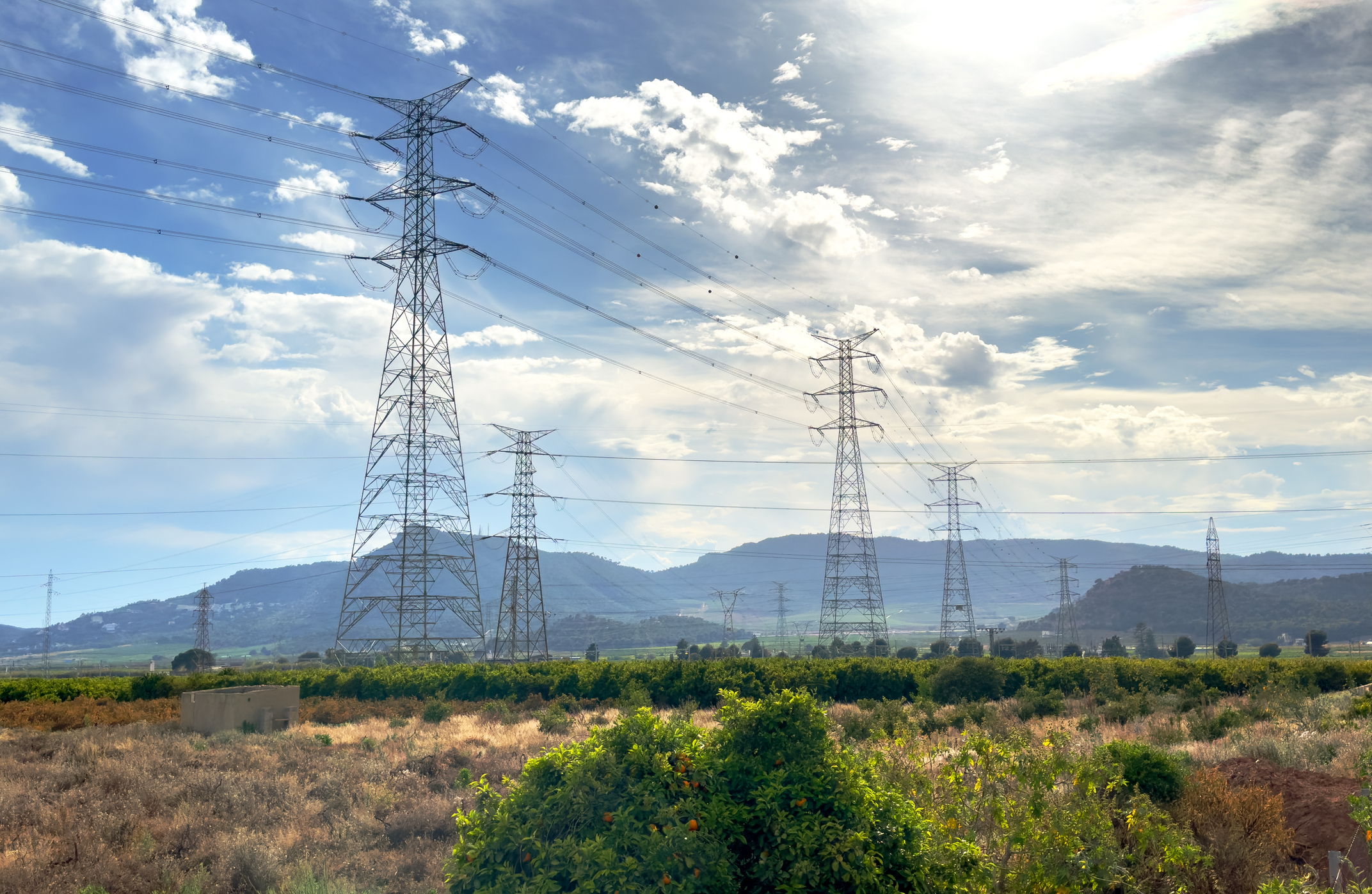
    The grid is losing its buffer: Oil and gas as a reliability anchor in a changing grid- oil and gas 360

    For much of the past decade, oil and gas have been viewed primarily through the lens of emissions and transition. That framing is now being supplemented by a more immediate concern, the need for dependable, dispatchable energy in a system that is becoming less predictable.

    Natural gas remains the most flexible large-scale generation resource available. Gas-fired plants can ramp quickly, respond to demand spikes, and provide consistent output when intermittent generation falls short. As renewable penetration increases, the value of that flexibility rises.

    But the contribution of oil and gas operators extends beyond generation.

    These companies manage the upstream and midstream systems that ensure fuel availability. Pipelines, storage, and processing infrastructure play a critical role in delivering energy when and where it is needed. In regions facing tight supply conditions, access to reliable fuel can be as important as generation capacity itself.

    There is also an operational advantage.

    Oil and gas operators have decades of experience building and maintaining large-scale infrastructure under complex conditions. That expertise is increasingly relevant as the grid evolves. Integrating new generation, storage, and transmission requires coordination at scale, something the sector has long demonstrated.

    In some cases, this is leading to new forms of collaboration. Co-located generation, integrated energy systems, and partnerships between power developers and energy companies are emerging as ways to improve efficiency and reduce development timelines.

    These approaches can help address several constraints at once, improving fuel security, reducing dependence on long-distance transmission, and providing more predictable output.

    None of this suggests a reversal of the broader energy transition. Renewable capacity continues to expand, and policy goals remain focused on reducing emissions. The challenge is that the transition is occurring within a system that still requires reliability at all times.

    Storage is growing, but duration remains limited. New technologies are advancing, but deployment at scale will take time. In the interim, the system depends on resources that can respond immediately and consistently.

    That is where oil and gas retain a role.

    From a market perspective, this is reflected in how assets are valued. Dispatchable capacity, fuel security, and infrastructure resilience are becoming more important investment considerations. Projects that can provide certainty in output are gaining relevance, particularly in regions with tightening supply conditions.

    The shift is less about reversing direction and more about recognizing what the system requires in the present.

    The grid is being rebuilt while it continues to operate. Balancing long-term transition goals with near-term reliability needs is becoming one of the defining challenges for policymakers, operators, and investors.

    In that environment, the role of oil and gas is not disappearing. It is evolving.

    About Oil & Gas 360 

    Oil & Gas 360 is an energy-focused news and market intelligence platform delivering analysis, industry developments, and capital markets coverage across the global oil and gas sector. The publication provides timely insight for executives, investors, and energy professionals. 

    Disclaimer 

    This opinion article is provided for informational purposes only and does not constitute investment, legal, or financial advice. The views expressed are based on publicly available information and market conditions at the time of publication and are subject to change without notice. 


    Source link

    energy transition Oil and Gas power grid U.S. power
    Share. Facebook Twitter Pinterest LinkedIn Tumblr Telegram Email
    Previous Article25 Surprisingly Affordable U.S. Spots
    Next Article Stunned Atlanta Grandmother Wins HGTV’s $2.4 Million 2026 Dream Home
    Money Mechanics
    • Website

    Related Posts

    Canada’s energy basins: Onshore, offshore, frontier, and what comes next

    May 15, 2026

    Argent LNG gains unanimous Louisiana legislative support

    May 14, 2026

    Canada’s energy basins: A different kind of resource story

    May 14, 2026
    Add A Comment
    Leave A Reply Cancel Reply

    Top Posts

    Why a Rushed Gray Divorce Can Quietly Destroy Your Retirement

    May 15, 2026

    How to Save Some Moola as the Insurance Market Shifts

    May 15, 2026

    ETF League Tables: Invesco Pulls In $4.9B

    May 15, 2026

    3 Altcoins Showing Strong Technical Setups Despite Cautious Crypto Market

    May 15, 2026

    Subscribe to Updates

    Please enable JavaScript in your browser to complete this form.
    Loading

    At Money Mechanics, we believe money shouldn’t be confusing. It should be empowering. Whether you’re buried in debt, cautious about investing, or simply overwhelmed by financial jargon—we’re here to guide you every step of the way.

    Facebook X (Twitter) Instagram Pinterest YouTube
    Links
    • About Us
    • Contact Us
    • Disclaimer
    • Privacy Policy
    • Terms and Conditions
    Resources
    • Breaking News
    • Economy & Policy
    • Finance Tools
    • Fintech & Apps
    • Guides & How-To
    Get Informed

    Subscribe to Updates

    Please enable JavaScript in your browser to complete this form.
    Loading
    Copyright© 2025 TheMoneyMechanics All Rights Reserved.
    • Breaking News
    • Economy & Policy
    • Finance Tools
    • Fintech & Apps
    • Guides & How-To

    Type above and press Enter to search. Press Esc to cancel.