


(Image credit: JIM WATSON/AFP via Getty Images)
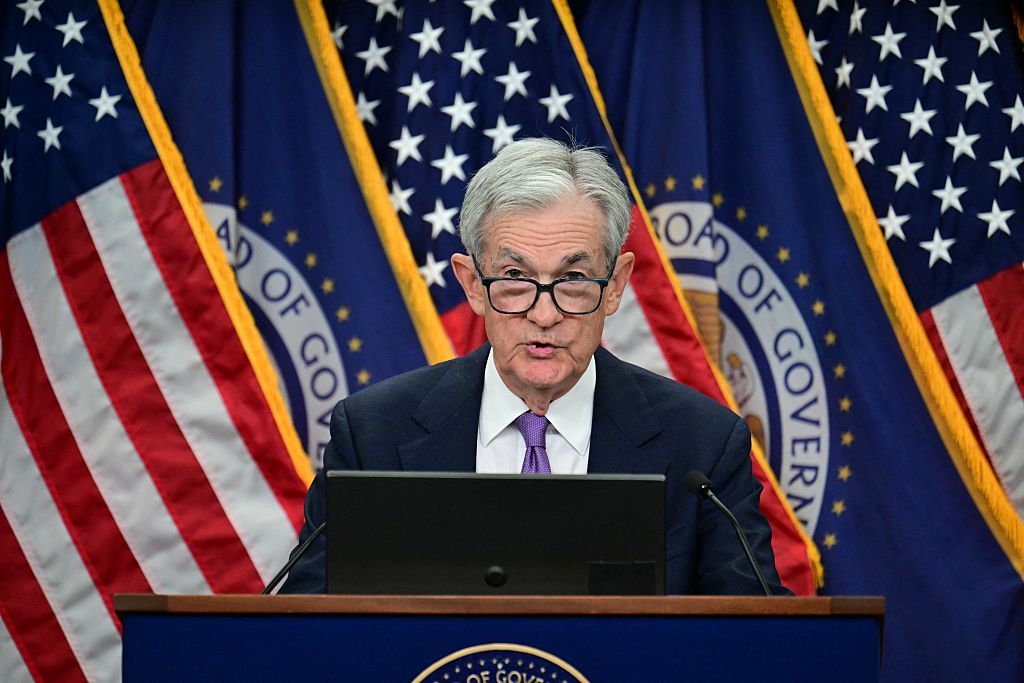
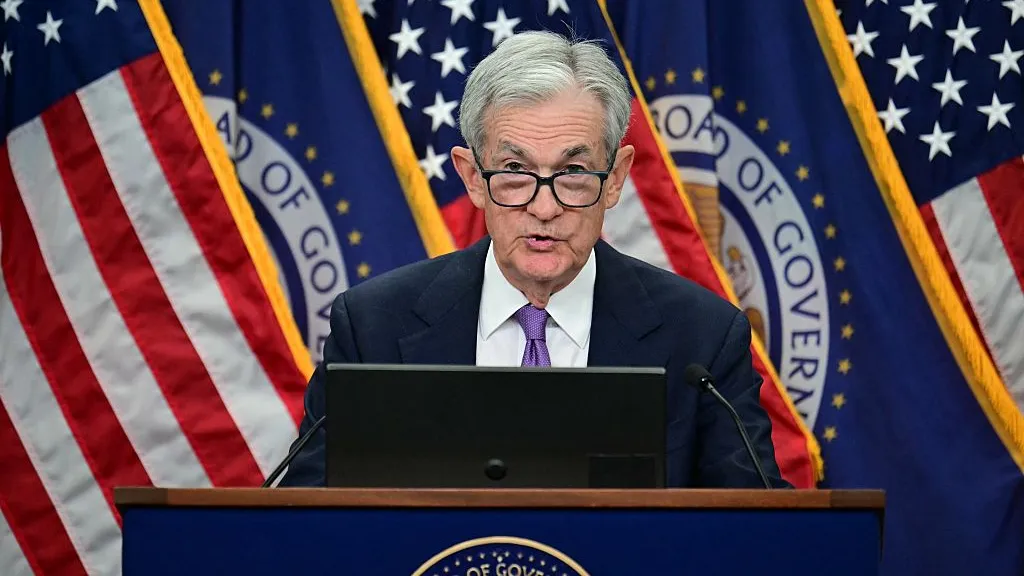
The Federal Reserve kept the federal funds rate unchanged after this week’s meeting, a pause driven in part by worries that rising oil prices will fuel higher inflation.
The concern over elevated inflation risks, stemming from higher oil costs, suggests that long-term interest rates will likely remain high, as noted by David Payne of the Kiplinger Letter. The war in Iran created a 20% spike in fuel prices in March. This increase will raise the cost of everyday goods.
For consumers, the Fed’s decision has mixed impacts. While it helps savers by keeping annual percentage yields (APYs) higher on savings accounts, it poses a challenge for those carrying debt or needing to borrow for upcoming purchases. I’ll explain how this policy can increase borrowing costs, as well as ways to borrow money and avoid higher rates.
Sign up for Kiplinger’s Free Newsletters
Profit and prosper with the best of expert advice on investing, taxes, retirement, personal finance and more – straight to your e-mail.
Profit and prosper with the best of expert advice – straight to your e-mail.
How the Fed’s decision impacts your credit card APRs, auto loans

(Image credit: Getty Images)
The Fed’s decision has different implications, depending on the kind of credit you have/want. To illustrate, the annual percentage rate (APR) on credit cards is directly tied to the prime rate.
What is the prime rate? It is the benchmark banks use to determine how much customers pay for lending products, such as credit cards, auto or personal loans. Since the prime rate is set at the federal funds rate +3%, no movement means credit card rates will remain high.
The current average APR on credit cards is 19.57%, per Bankrate. This means if you’re carrying a balance of $10,000 and you only make the minimum payment, of say around $225, it will take you 81 months to pay it off. And it can lead to a hidden cost of over $8,000 in interest, almost doubling the balance owed.
Meanwhile, lenders will use the prime rate as part of determining the rate you’ll pay on an auto loan. If the Fed raised interest rates, it would increase the APR you’ll pay for car financing, which could add hundreds to thousands more in total loan costs.
Other factors will also shape what you pay. Your credit score plays a major role, along with the vehicle itself (its make, model and age) and the length of your loan term, all of which lenders use to determine your final rate and total cost.
Does Fed policy impact mortgage rates?
(Image credit: Getty Images)
Not directly like auto loans or credit cards, but it does play a small part. For longer-term loans, like fixed-rate mortgages, the 10-year Treasury yield is a better indicator of what you’ll pay.
As its name implies, this yield is the government’s borrowing cost for a decade. It’s a better benchmark because the average homeowner stays in their home around that long, or they’ll refinance somewhere along the way.
So, who or what influences the yield? Primarily, it’s investors who buy mortgage-backed securities. Their expectations on short-term interest rates have an impact because risks are elevated with longer-term investments.
Furthermore, other factors could influence the yield. When inflation becomes higher, as it is now, the 10-year Treasury yield rises. Inflation is currently 4.33%, showing investors are worried about how gas prices will impact the economy.
Another factor is economic policies. When the Fed sets the federal funds rate, it can give investors a window into the future. Holding rates steady could lead to a murky future, where a wait-and-see approach is best. When confidence in the economy wanes, investors might require higher rates to feel comfortable with their risk.
Is now a smart time to borrow money?
It will be more expensive, but there are things you can do to lower your borrowing costs, depending on your situation:
If you’re carrying high-interest debt
With everyday prices rising, it’s common for some borrowers to pay the minimum each month. It’s frustrating because even though you’re making a payment, it doesn’t make a dent in your balance.
This is where transferring that debt to a balance transfer credit card with 0% APR can help. Some cards offer generous 0% APR periods of up to 21 months, giving you almost two years to pay down that balance.
There are a few things to consider before taking this approach: Transferring your balance isn’t free; usually, lenders charge 3% to 5% of the balance. And some of these cards come with annual fees, which can also take away from your ability to pay off your debt more quickly.
If you decide to go with this approach, I recommend paying as much as you can each month, which can significantly reduce your debt before the introductory period ends. You’ll save up to thousands in interest and take years off your debt repayment. Plus, if you have other debts, this can build momentum to help you tackle them next.
(Image credit: Getty Images)
You need to make a bigger purchase, but don’t have the cash
If you have an immediate need and don’t have the cash on hand, it makes sense to consider credit. But there are smarter approaches than using whatever credit card is in your wallet.
To demonstrate, I don’t usually recommend store credit cards. They come with sky-high APRs, but if you shop at the same store regularly (Costco, Lowe’s, etc.), then you might be missing out on some really sweet card perks.
To demonstrate, Costco’s Anywhere Visa by Citi offers 5% back on the first $7,000 charged at Costco gas stations. You’ll also earn 2% back on Costco purchases. We made this switch because it allowed us to earn cash back on larger purchases and save on everyday costs, like gas, prescriptions and groceries.
Other store credit cards offer generous interest-free promotional periods from six months to a year. I use these when buying larger appliances. As long as you pay it off within that promotional window, you won’t have to incur the higher interest rates.
That said, if your purchase isn’t urgent, it may be worth taking a step back and saving first. Even setting aside a portion of the cost can make a difference. Every dollar you pay upfront is one less you’ll finance, helping reduce your total interest costs.
One simple way to do this is to treat your savings like a monthly bill. Set aside a fixed amount in your budget and transfer it from your checking account into a high-yield savings account. This creates a consistent habit while allowing your money to grow, with some accounts offering rates up to 4.20% APY.
Use the Bankrate tool below to find the best fit for your needs:
How to use the Fed’s decision to your advantage
Ultimately, the Federal Reserve holding rates steady is good news if you’re focused on building savings. But if you’re carrying debt or planning a large purchase, borrowing costs will remain elevated.
To manage that, consider using promotional financing offers, transferring balances to cards with 0% introductory APR periods or delaying the purchase and saving in a high-yield account to take advantage of today’s higher rates while you work toward your goal.
