


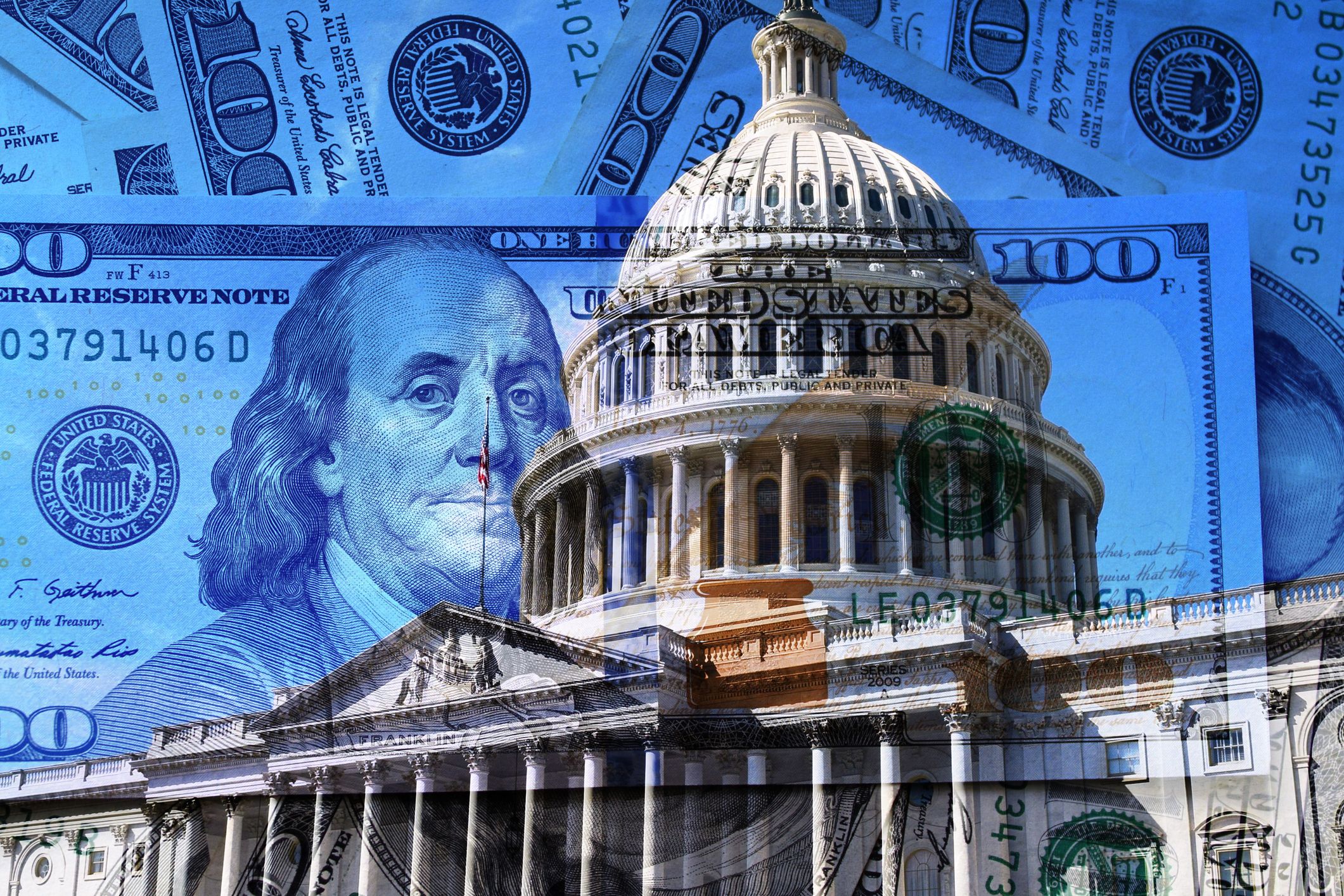
The current government shutdown has far-reaching effects — and the longer it lasts, the more disruptive it can become. Federal employees face the most immediate strain, with paychecks halted until the government reopens. But even if you don’t work for the government, the shutdown can still touch your finances in surprising ways.
The last prolonged shutdown stretched from December 2018 to January 2019, when President Trump signed a bill to temporarily reopen the government while Congress continued negotiations. That standoff left hundreds of thousands of workers without pay and created ripple effects across federal services.
No one knows how long the current shutdown will last, but preparing for possible disruptions can help you weather the uncertainty. Understanding which programs will continue, which may stall and how your money could be affected is the first step toward navigating this period with more confidence.
Sign up for Kiplinger’s Free Newsletters
Profit and prosper with the best of expert advice on investing, taxes, retirement, personal finance and more – straight to your e-mail.
Profit and prosper with the best of expert advice – straight to your e-mail.
Social Security and Medicare checks will keep coming
During a government shutdown, essential services and federal benefits continue to operate, and that includes Social Security and Medicare. You’ll continue to receive your standard Social Security and Medicare payments.
Though payments will continue as usual, staffing and certain services may be impacted during the shutdown. If you need to access Social Security or Medicare customer service, the response time could be slow because of reduced staffing. Plus, with fewer employees on staff through the shutdown, new applications might face longer processing times.
Federal paychecks may be delayed
Federal workers and active-duty military members often feel the brunt of a government shutdown, since their paychecks are put on hold. The Congressional Budget Office estimates that about 750,000 employees could be furloughed each day, forced to go without pay, while others performing essential duties may have to keep working without compensation, according to The Hill.
Traditionally, both furloughed employees and those who continue working receive back pay once the shutdown ends. The same applies to active-duty military members, though they too must wait until the government reopens to be paid.
By contrast, members of Congress and the president are required to continue receiving their salaries during a shutdown. Some lawmakers, including Senator Andy Kim of New Jersey, have asked for their pay to be withheld in solidarity with federal employees and servicemembers.
IRS refunds and tax services could stall

(Image credit: Kevin Carter / Contributor)
The federal shutdown means that the IRS will be operating with reduced staff. The IRS updated its shutdown contingency plans, and all staff will report to the IRS for five business days.
If the shutdown lasts longer, operations at the IRS will be slowed. Penn State University reports that taxpayer services and audits will be paused, though revenue collection will continue. According to Thomson Reuters, extended tax returns, which are due by October 15, may be impacted.
Additionally, a longer shutdown could cause delays for tax-exempt organization returns due November 17, and expatriate returns due December 15. IRS furloughs caused by the shutdown could also delay the issuance of guidance that would help individuals and businesses navigate the One Big Beautiful Bill tax provisions.
Markets may wobble, but long-term effects are limited
The economy may be uncertain, but history shows that government shutdowns cause short-term jitters, but don’t tend to result in lasting economic damage. Markets tend to do fairly well during government shutdowns, with little change to the S&P 500 during the 20 government shutdowns that have occurred since 1976.
The current shutdown is taking place at a precarious time. We’re in the midst of rising inflation paired with a weak jobs report that indicates growing unemployment, so this shutdown may feel particularly ominous. If we look at history, though, shutdowns don’t usually have a long-term negative effect on the markets.
Other programs may see disruptions

(Image credit: Kent Nishimura / Stringer)
The shutdown may cause disruptions to other programs. Federal student loans and Pell Grants will still be disbursed, and students who are repaying their loans must continue to do so.
According to CNBC, 1,485 of the 1,700 U.S. Department of Education employees will be furloughed during the shutdown, so fewer applications for student loan repayment plans or earned debt forgiveness will be processed.
Similarly, the Small Business Administration will furlough 23% of its staff, putting a halt to its small business loan program. During the shutdown, the SBA won’t approve new loans or service existing loans.
Housing programs like the Department of Housing and Urban Development (HUD) will also be impacted. HUD has operated with a skeleton staff during other shutdowns, but a prolonged shutdown could impact funding for Section 8 project-based rental assistance and other programs. HUD will likely continue to pay out funds that have been previously allocated until the funding runs out.
Ultimately, housing developers with HUD loans in progress could see those loans paused until the government opens back up. Likewise, housing assistance payment contract renewals and applications for Federal Housing Administration insurance would be paused until the shutdown is over.
How to prepare your finances during a shutdown
It’s wise to make a plan for navigating the shutdown as soon as possible. If you can, set aside a cash reserve to cover unexpected expenses so you’re not forced to rely on credit cards or loans.
Expect delays when dealing with federal agencies, whether you’re filing a tax return or reaching out for customer service. If you do get through to someone, remember they’re likely managing a heavier workload, so patience goes a long way.
Finally, avoid making hasty investment decisions in response to market uncertainty. Historically, shutdowns have had little long-term impact on the markets. Instead of pulling money out, consult with a financial advisor and carefully weigh your options before making changes.
