


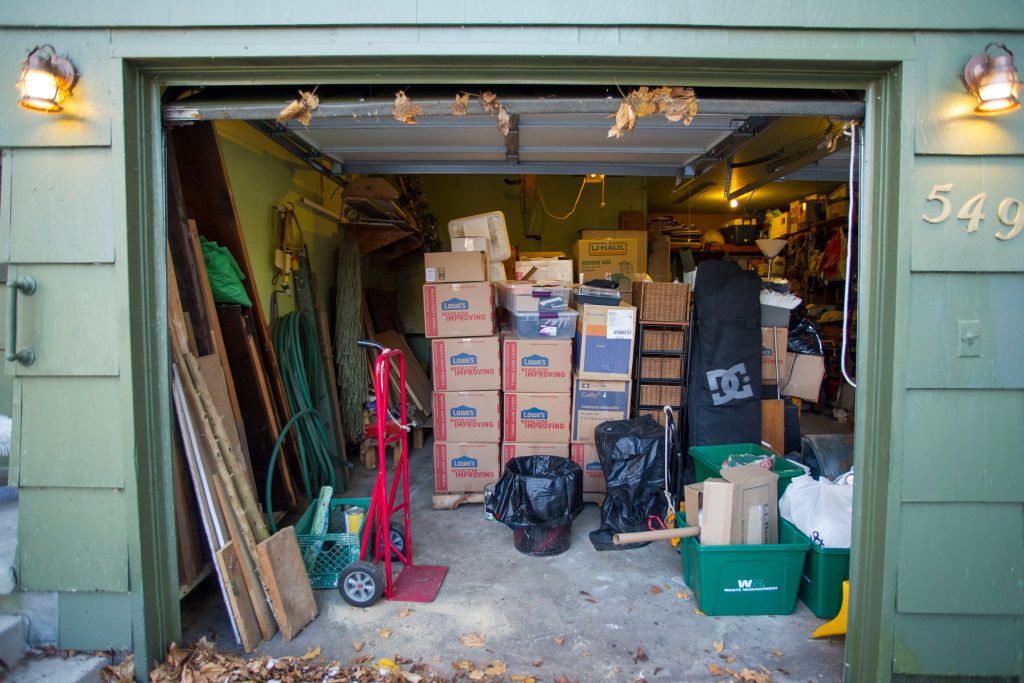
Memorial Day weekend often marks the start of summer fun, when many people pull patio furniture, kayaks and golf clubs back out of storage. But for households short on space, self-storage units can help keep seasonal gear, bulky items and overflow clutter out of the garage and basement until they’re needed again.
Self-storage has become increasingly common in the U.S. The industry now includes more than 2.1 billion square feet of storage space, and about one in three Americans currently uses self-storage, with another 18% planning to rent a unit in the future, according to SpareFoot.
In a recent survey of Kiplinger’s A Step Ahead newsletter readers, 61% said the main reason they rent a storage unit is a lack of space at home.
Sign up for Kiplinger’s Free Newsletters
Profit and prosper with the best of expert advice on investing, taxes, retirement, personal finance and more – straight to your e-mail.
Profit and prosper with the best of expert advice – straight to your e-mail.
Furniture was the most commonly stored item at 72%, followed by seasonal decorations at 61% and sentimental items at 50%. Most readers said they only visit their units occasionally, with 38% stopping by a few times a year and 33% visiting monthly.
Still, storage only makes sense for certain items. Before renting a unit, think carefully about what you truly need to keep and whether the monthly cost is worth it. These 10 items tend to be some of the best choices for storage.
Furniture and household overflow
(Image credit: Getty Images)
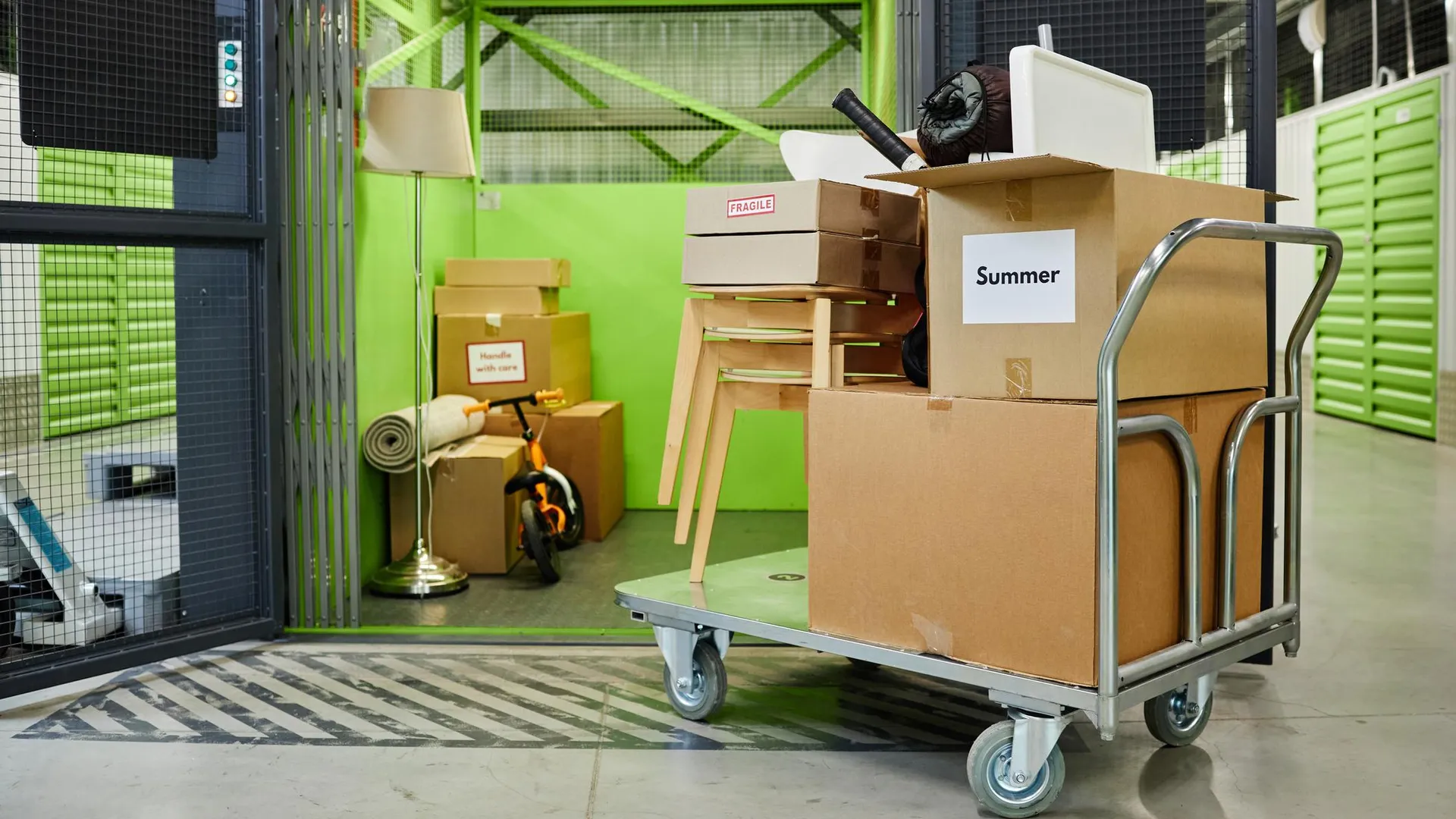
Sofas, tables, bed frames and spare mattresses are all big, bulky items that you can put into storage.
If you’re downsizing your home, preparing to move or rotating decor in your home, putting these items in storage can give you extra space while letting you swap favorite pieces in and out when you want a different look.
Before storing fabric items like couches and mattresses, cover them with furniture covers, sheets or breathable plastic wrap to help protect them from mildew, musty smells, dust and pests while they’re in storage.
Many basic furniture covers cost less than $20 and can help keep your items in better condition over time.
Looking for help getting your clutter under control? These books about decluttering can help you develop a practical plan to downsize your home and declutter with less stress.
Seasonal decor and holiday items
(Image credit: Getty Images)
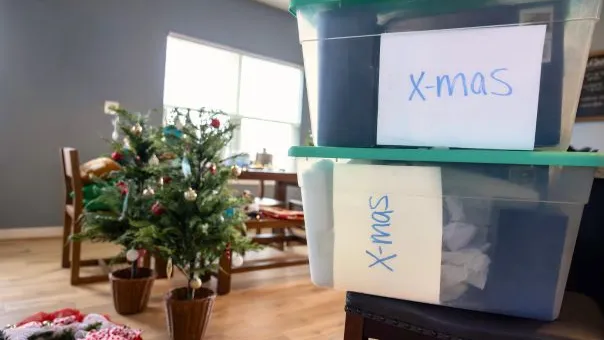
Consider putting seasonal decor and holiday items, like artificial trees, inflatables and specialty decorations, into a self-storage unit. When you only use these items a few months out of the year, storing them can help reduce clutter in your everyday living space.
Clear plastic totes can make storage much easier since you can quickly see what’s inside without opening every box. Add simple labels to each tote so your holiday and seasonal items are easy to grab and go when you need them.
For bulky items you don’t want ruined, like wreaths, tree skirts or oversized decor, large clear zippered storage bags can help protect them from dust, moisture and damage.
A little planning can cut down on trips to your storage unit, too. When you drop off one season’s decor, pick up the next season’s items during the same trip.
Clothing and wardrobe overflow
(Image credit: Getty Images)
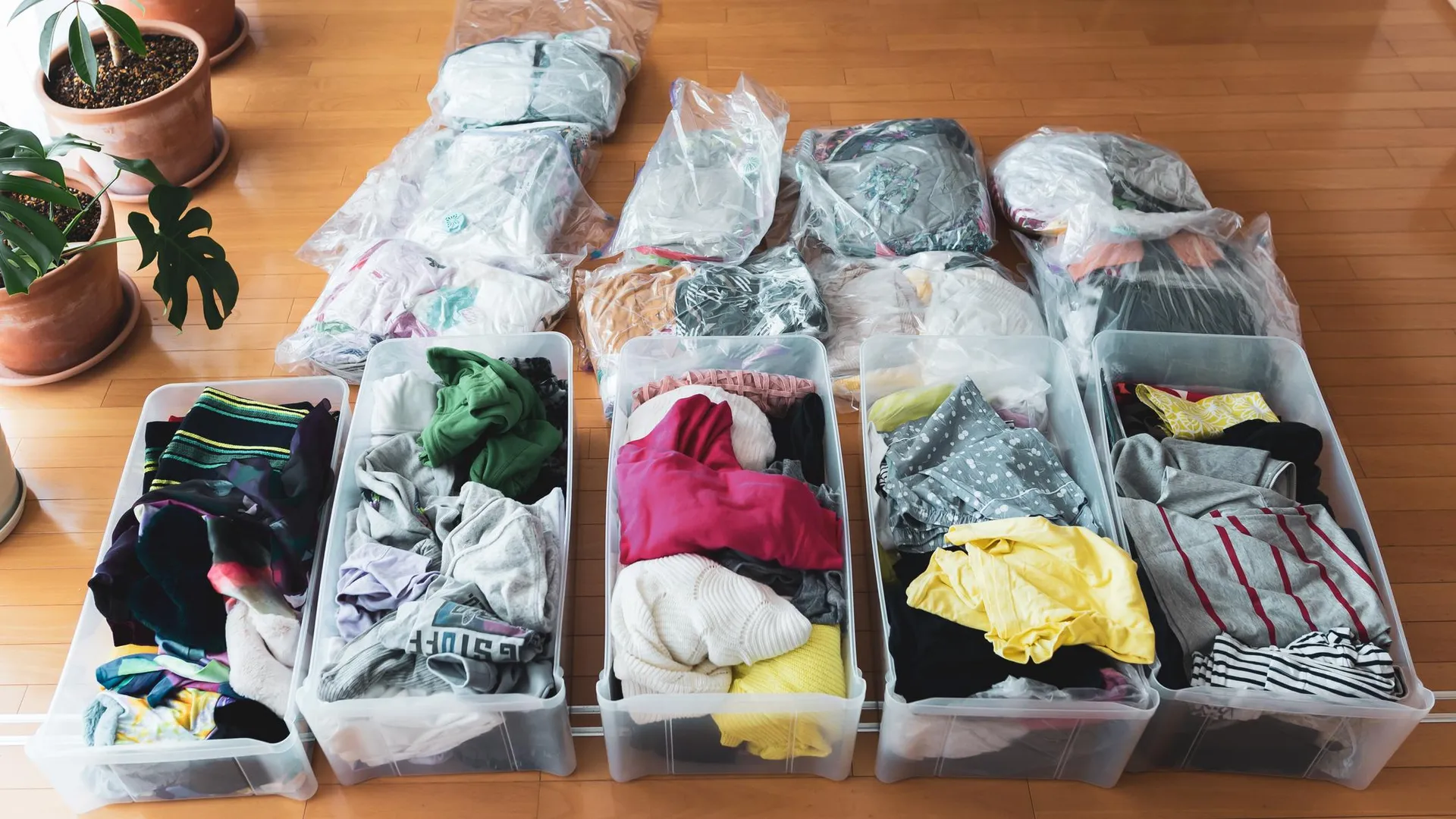
A storage unit can be excellent for your overflow clothing items. You can store off-season clothes, like bulky coats and specialty items, until you need them, freeing up closet space.
Wash and fully dry the clothes before you store them, and use wardrobe boxes for any items that are usually hung. Be sure to invest in proper storage for clothes. These plastic storage bins are great for items like T-shirts and pants. Include some cedar chips or blocks to help repel insects.
Sports and outdoor equipment
(Image credit: Getty Images)
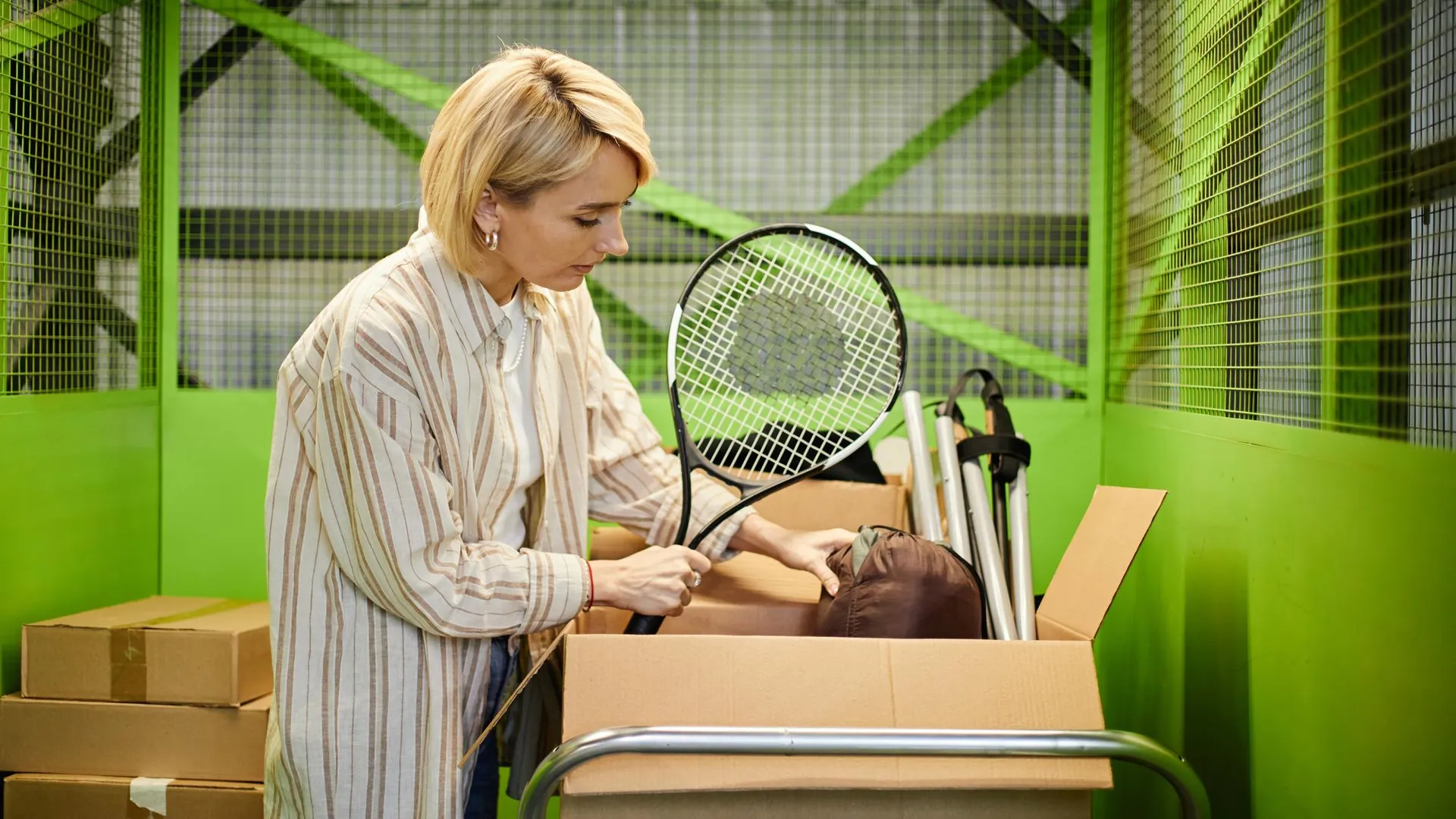
Outdoor equipment like bikes, skis, golf clubs and camping gear take up a lot of space in your home, so consider putting these items in storage. While these items are bulky, if you use them regularly, you can probably justify the cost of storing them.
To keep everything organized and easy to grab, consider using a bike rack or rolling sports storage cart inside your unit. Keeping gear upright and grouped together can help prevent damage and make it easier to quickly load up for your next outing.
Business inventory and side hustle supplies
(Image credit: Getty Images)
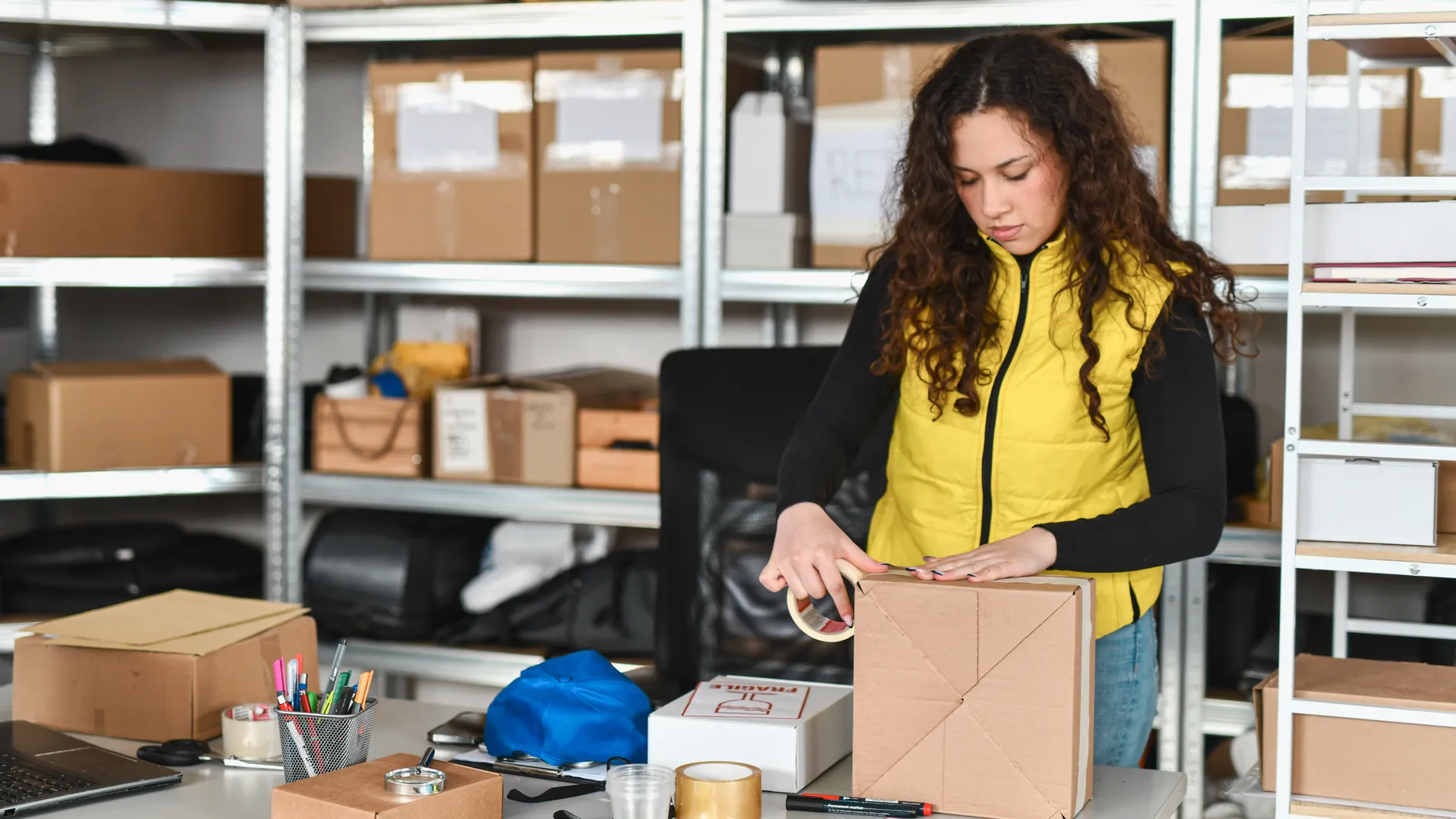
If you’re running a business or side hustle, supplies like inventory, packaging materials, and tools can quickly take up space in your home.
A storage unit can be a good place for these essentials, and you can periodically draw down from your supply and bring home what you’ll need for the coming month or two.
Self-storage can be especially helpful if you run an eBay or Etsy shop or operate a small business from home. Keeping inventory, packaging supplies and seasonal products in storage can free up valuable living space while helping you stay more organized.
In some cases, you may also be able to deduct the cost of a storage unit used for business purposes on your taxes, so keep receipts and track your expenses throughout the year.
Documents and records (stored the right way)
(Image credit: Getty Images)
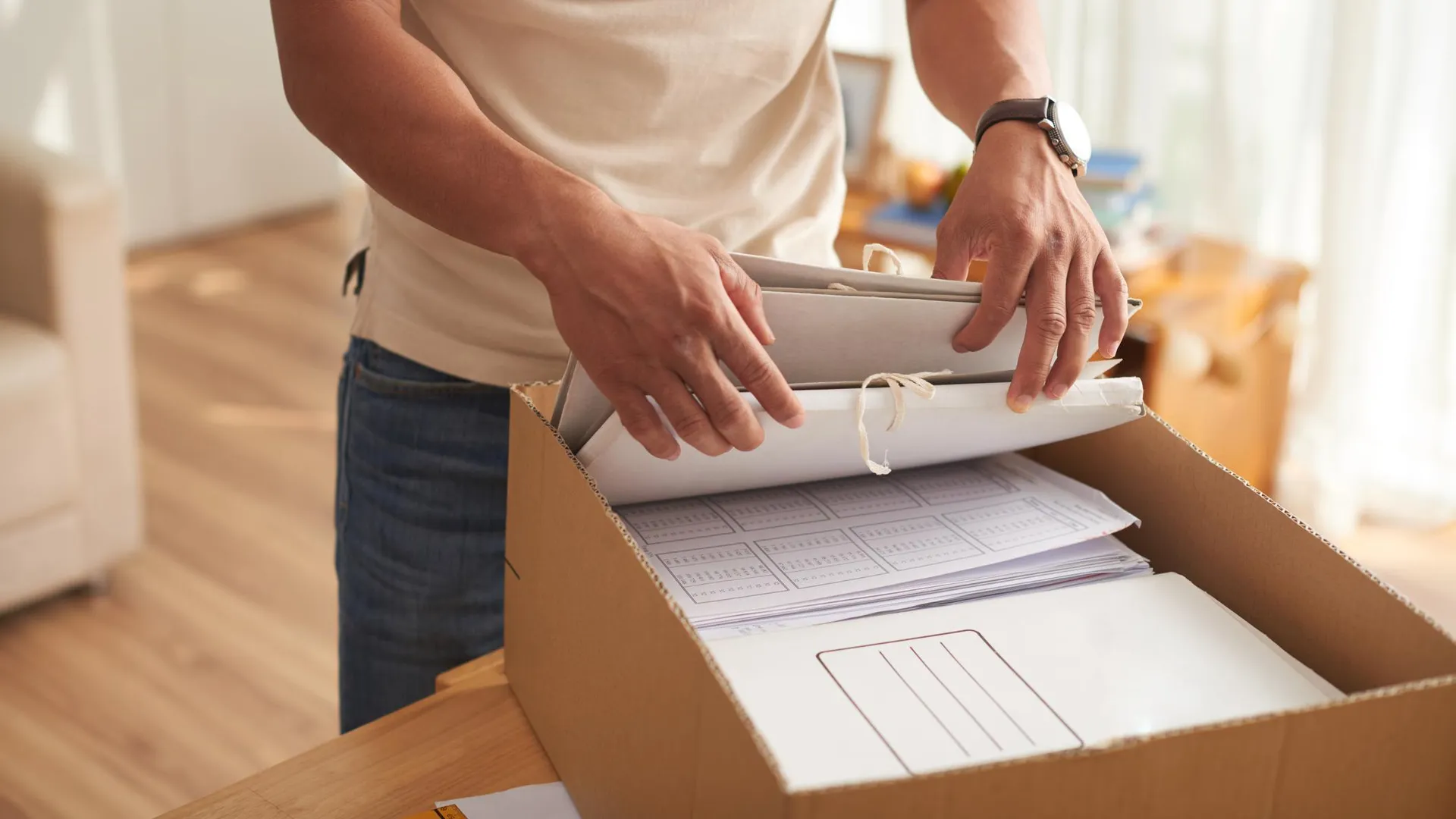
You can declutter those documents and records you’re storing at home by moving them to a self-storage facility, freeing up space in desks, drawers and filing cabinets.
Just make sure that you store documents and records the right way. Invest in quality document containers that will protect the paperwork inside in case of a flood.
Avoid storing any items that are irreplaceable or treasured. Consider digitizing documents so you can shred the paper copies entirely.
(Image credit: Getty Images)
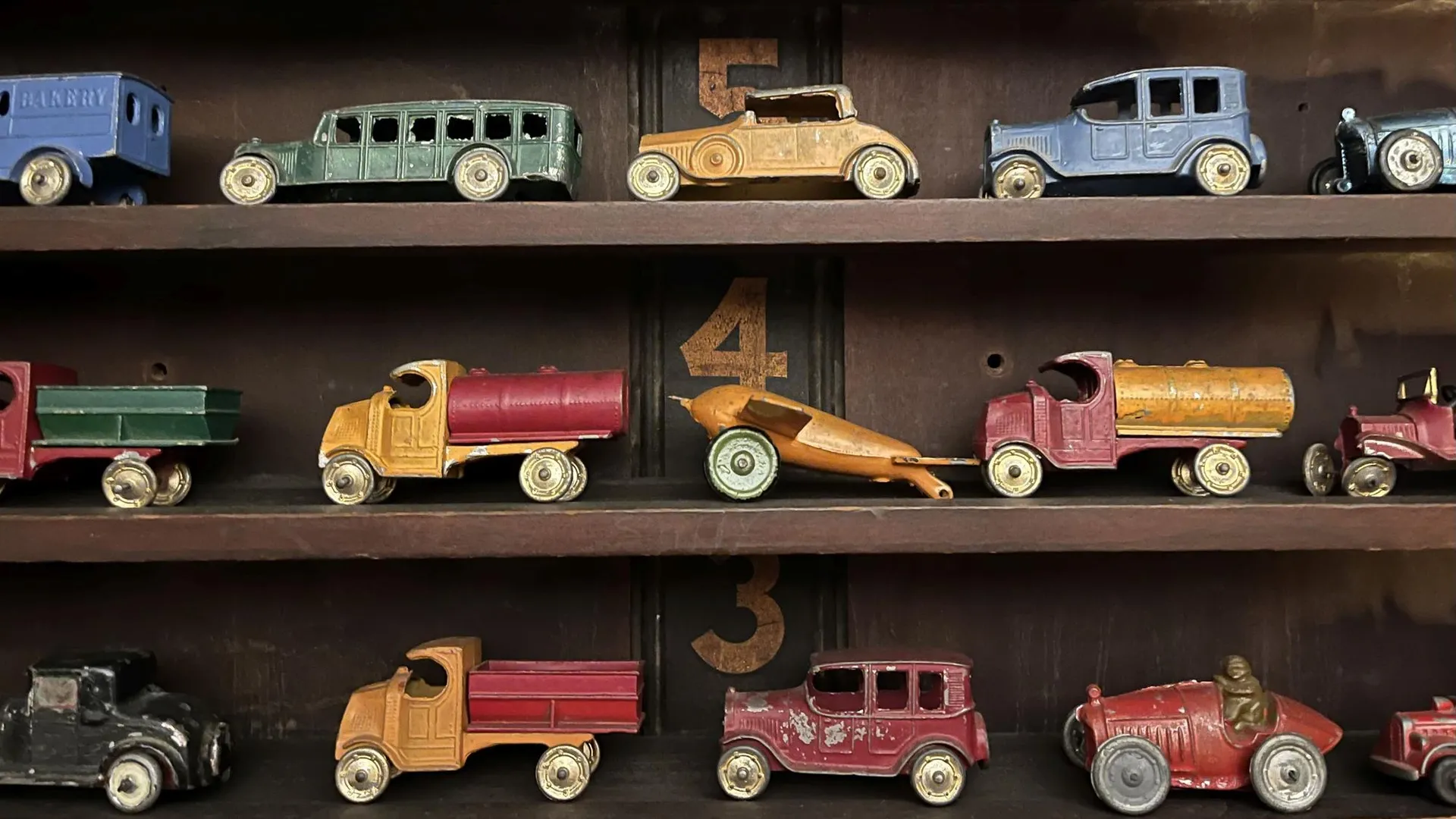
If you have durable collectibles, like books, vinyl and decor collections, you may be able to move these items to storage. Focus on choosing items that won’t degrade easily, and pack them in sealable containers to help protect them from damage.
You may want to invest in a climate-controlled storage unit to help protect the items. If you’ll be storing anything valuable, look for a facility with strong security measures, including security cameras and gated access.
Pro tip: Take photos of your collection before placing it in storage. Keeping a visual inventory can make it easier to document items for insurance purposes if anything is lost or damaged.
Vehicles and large equipment
(Image credit: Getty Images)
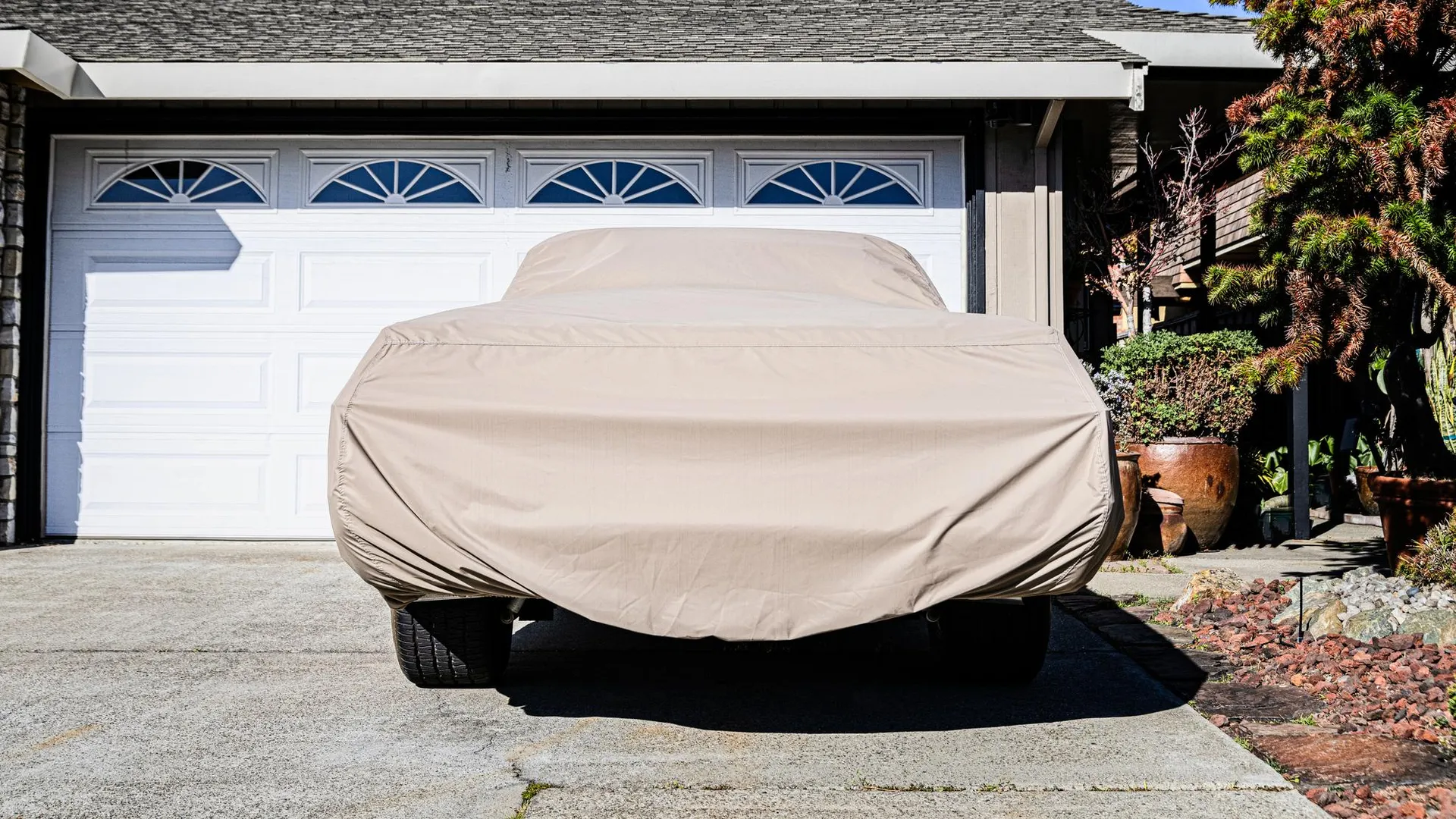
You can also rent space for cars, motorcycles, and lawn equipment, leaving your driveway and yard looking neater. Many storage facilities allow you to store vehicles in drive-up units, but be sure to verify the facility’s rules ahead of time.
Keeping vehicles under a car cover can help preserve them while not in use, prolonging their life and helping maintain their value.
If you need to store tires independently of a vehicle, that can be a different story; tires are flammable, so they’re usually prohibited. That said, facilities that let you store vehicles will usually let you store the vehicles with their tires on them, but you can’t store extra, separate tires.
Appliances
(Image credit: Getty Images)
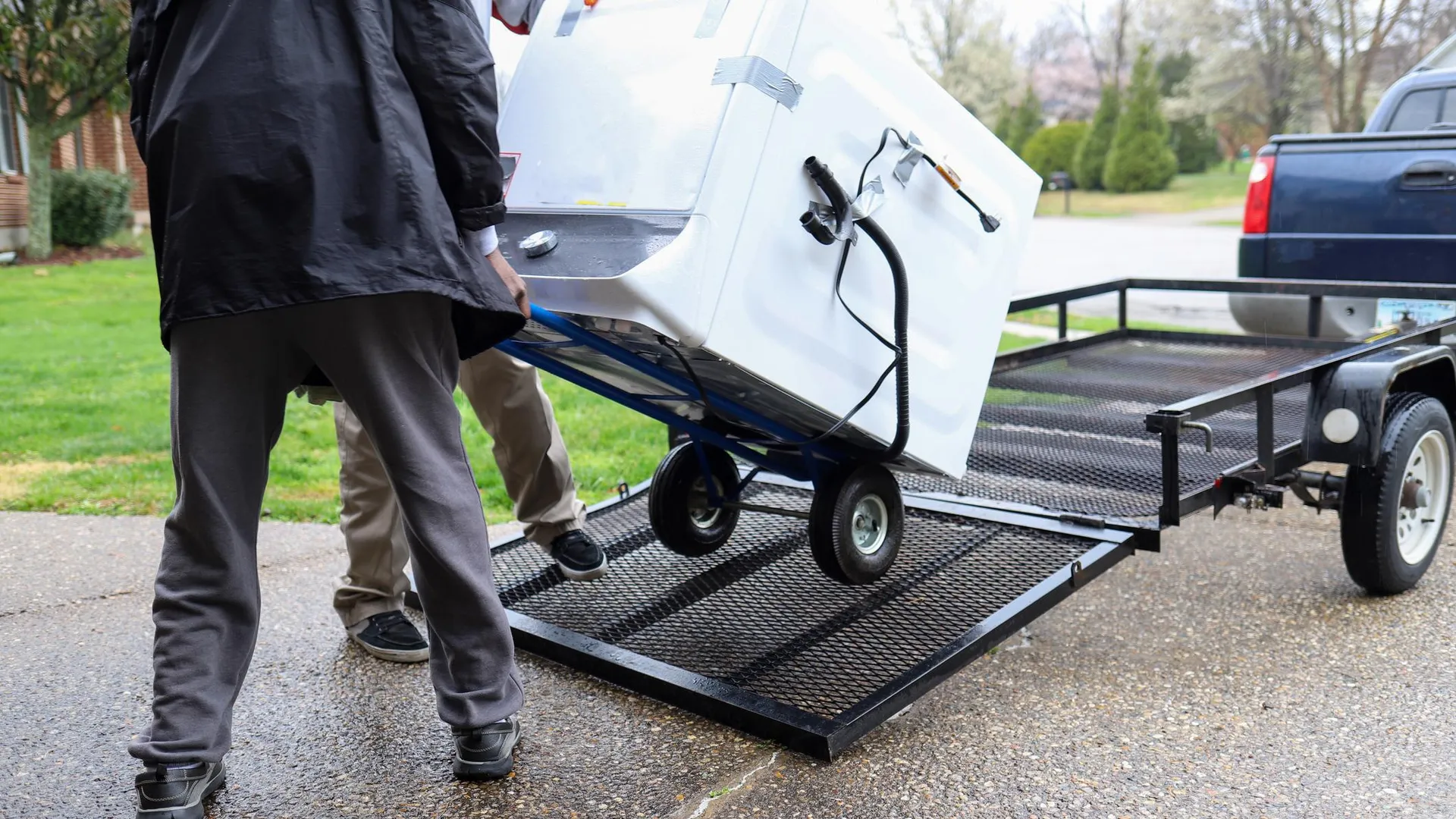
If you’re in between moves, remodeling your home or planning a future upgrade, it might make sense to keep your current appliances instead of rushing to replace them. Storing appliances can save you the cost of buying new ones while temporarily getting these bulky items out of your home.
Before placing appliances into storage, clean and fully dry them to help prevent mold, mildew and odors from building up over time. Leaving appliance doors slightly cracked can also help improve airflow while they’re stored.
Kids’ items you plan to reuse

(Image credit: Getty Images)
As the children in your life outgrow items like baby gear, toys and furniture, you may want to place some of those items into storage if you plan to reuse them in the future. Storing practical items like bassinets, high chairs, seasonal clothing and durable toys can save money if you expect to need them again for another child or grandchild.
Before storing children’s items, clean and dry everything thoroughly and place smaller pieces in labeled bins so they’re easier to find later. Be selective about what you keep, though.
Some products, including car seats, cribs and certain baby gear, can expire or fall out of current safety standards over time, making them better candidates for donation or disposal instead of long-term storage.
Storage makes sense when it solves a space problem — not when it delays a decision
Storage units can make sense when you use them for seasonal, bulky or high-value items that you’ll use again. But it’s easy to fall into the trap of paying a storage fee month after month to hold onto things that you don’t need.
If you’re storing items that you truly no longer need, the cost can quietly add up and outweigh the benefit. Be strategic about what you decide to store and balance storing items with donating the things you won’t use again.
