


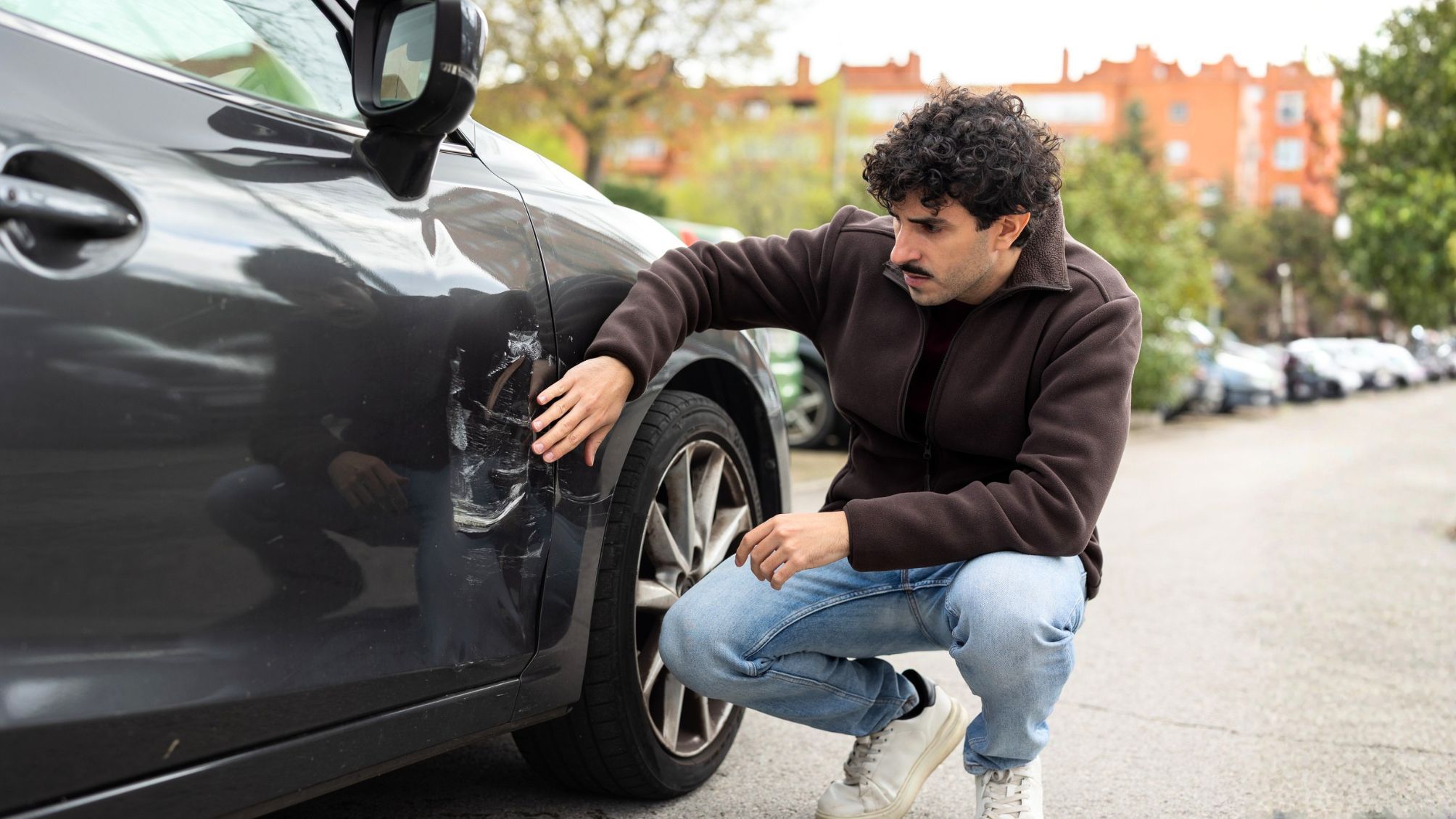
You’ve only been shopping for an hour, but as you walk up to your car in the parking lot, you’re shocked to find damage to its bumper and scrapes along one side.
Someone has clearly hit your car in the parking lot, and then they drove away without leaving any contact information.
What should you do? And what insurance coverage applies if your parked car is damaged in a hit-and-run? Taking the right steps can improve your chances of finding the driver and help you navigate the insurance claims process.
Sign up for Kiplinger’s Free Newsletters
Profit and prosper with the best of expert advice on investing, taxes, retirement, personal finance and more – straight to your e-mail.
Profit and prosper with the best of expert advice – straight to your e-mail.
It’s important to carefully document the damage at the scene, so don’t move your car. Photograph the damage and the surrounding area in the parking lot. Look for any debris or paint transfer that might help identify the vehicle that hit your car.
Check for witnesses who may have seen what happened. Many businesses have surveillance cameras in parking lots, so check with nearby businesses to see if they have cameras that might have caught the incident.
Contact the police and file an accident report to document what happened. Many insurance companies require a copy of the police report before they’ll process your claim. Ask the responding officer for their name and badge number, and find out how you can obtain a copy of the report.
Should you file an insurance claim?

(Image credit: Getty Images)
If you’re able to identify the driver who hit your car, their liability insurance is generally responsible for paying for your vehicle’s repairs. But if you can’t identify the driver, the situation becomes more complicated.
Many insurers treat this type of incident as a hit-and-run. Depending on your policy, your own insurance may help cover the repair costs.
Before filing a claim, compare the estimated repair costs with your deductible. It’s also worth considering that filing a claim could lead to higher insurance premiums, depending on your insurer, state and claims history.
In some cases, paying for the repairs out of pocket may make more financial sense. For example, if your deductible is $1,000 and the repairs are estimated at $1,100, filing a claim would save you only $100 before factoring in the potential impact on your premiums.
On the other hand, if your deductible is $1,000 and the damage is estimated to cost $3,000 to repair, filing a claim could substantially reduce your out-of-pocket costs.
What insurance covers a parked car hit-and-run?
Only certain types of auto insurance can help cover damage if your parked car is hit in a hit-and-run.
Uninsured motorist property damage (UMPD) is optional coverage in some states. Depending on where you live and the terms of your policy, it may help pay for repairs if the at-fault driver is uninsured or leaves the scene. However, not every state or insurer covers hit-and-run accidents under UMPD, so it’s important to review your policy.
Liability insurance generally won’t cover damage to your own vehicle. Instead, it’s designed to pay for injuries or property damage you cause to others if you’re at fault in an accident.
If you’re concerned about the financial impact of a parking lot hit-and-run, review your policy to see whether you have collision coverage or other protections that would help pay for repairs. It’s a good idea to shop around for insurance and make sure you’ve got the right coverage at the right price.
Use the Bankrate tool below to gather quotes and compare coverage:
Will filing a claim raise your insurance premiums?
In some cases, filing a claim after a hit-and-run parking lot accident may raise your insurance premiums. The decision depends on your insurer, state and claims history. Some insurance companies will increase your insurance premiums any time you file a claim, even if you weren’t at fault.
Rate increases may be more significant if you’ve filed a certain number of claims within a particular period, and you might feel the effect of those rate increases for years.
Since policies vary between different insurance companies, it’s a good idea to ask your insurer about their policy before you proceed with a claim.
Can security cameras help identify the driver?
Identifying the driver may help you avoid filing a claim against your own insurance coverage, saving you money on repair costs and potential insurance premium hikes. Security cameras may help you identify the driver after a car accident, so check with the store you were in to see if they have surveillance footage.
If you plan to collect security camera footage, it’s important to act quickly. Home security systems often delete footage within seven to 30 days, while commercial systems tend to maintain footage for 30 to 90 days.
Be proactive and ask for footage promptly to avoid any chance of it being deleted.
What if someone left a note?

(Image credit: Getty Images)
If the driver leaves a note, it may include their contact and insurance information. You can contact their insurance company to verify the policy and begin the claims process.
You can also notify your own insurance company and provide the other driver’s information. Your insurer can work directly with the at-fault driver’s insurance company to seek payment for your vehicle’s repairs.
How to reduce the chances of future parking lot damage
How and where you park may reduce the chance of your vehicle being damaged in a parking lot. Make sure your vehicle is always fully within the painted lines and try to avoid parking in the high-traffic areas that are closest to the store.
If you have a vehicle with large side mirrors, fold the mirrors in when you park to help prevent collisions. You can reduce the chance of someone hitting your vehicle by parking next to a curb or cart return so there’s only room for one vehicle to park directly next to you. When parking at night, choose a well-lit area of the parking lot to ensure your vehicle is easily visible.
You may also want to invest in a dash cam with a parking mode for your vehicle. These cameras automatically start recording if they detect motion or impact to your vehicle, hopefully capturing footage of the other vehicle that damages your car.
No one expects to return to a damaged car, but knowing what to do can make the situation easier to navigate. Reviewing your auto insurance coverage, parking strategically and understanding the claims process can help you protect both your finances and your vehicle.
