Close Menu
Money MechanicsMoney Mechanics
    What's Hot

    How Wealthy Retirees Can Overcome Their Fear of Spending

    July 23, 2026

    U.S. SCS insured losses projected to be below average in 2026: KCC

    July 23, 2026

    Most Americans Say “Not in My Backyard” to AI Data Centers

    July 23, 2026
    Facebook X (Twitter) Instagram
    Trending
    • How Wealthy Retirees Can Overcome Their Fear of Spending
    • U.S. SCS insured losses projected to be below average in 2026: KCC
    • Most Americans Say “Not in My Backyard” to AI Data Centers
    • Overcome Caregiver Burnout: Real Advice That Works
    • Rapper Snow Tha Product Reveals Wild Amenities Found at Her L.A. Ranch
    • What History Says About Buying Broken IPOs
    • Mortgage rates are rising again
    • New to Linux? This 10-day checklist will help you settle in nice and easy
    Facebook X (Twitter) Instagram
    Money MechanicsMoney Mechanics
    • Home
    • Markets
      • Stocks
      • Crypto
      • Bonds
      • Commodities
    • Economy
      • Fed & Rates
      • Housing & Jobs
      • Inflation
    • Earnings
      • Banks
      • Energy
      • Healthcare
      • IPOs
      • Tech
    • Investing
      • ETFs
      • Long-Term
      • Options
    • Finance
      • Budgeting
      • Credit & Debt
      • Real Estate
      • Retirement
      • Taxes
    • Opinion
    • Guides
    • Tools
    • Resources
    Money MechanicsMoney Mechanics
    Home»Markets»Bonds»U.S. SCS insured losses projected to be below average in 2026: KCC
    Bonds

    U.S. SCS insured losses projected to be below average in 2026: KCC

    Money MechanicsBy Money MechanicsJuly 23, 2026No Comments3 Mins Read
    Facebook Twitter LinkedIn Telegram Pinterest Tumblr Reddit WhatsApp Email
    U.S. SCS insured losses projected to be below average in 2026: KCC
    Share
    Facebook Twitter LinkedIn Pinterest Email


    Severe convective storm (SCS) insured losses in the United States are projected to be below average in 2026 based on recorded losses seen in the first half of the year, according to catastrophe risk modeler Karen Clark & Company (KCC).
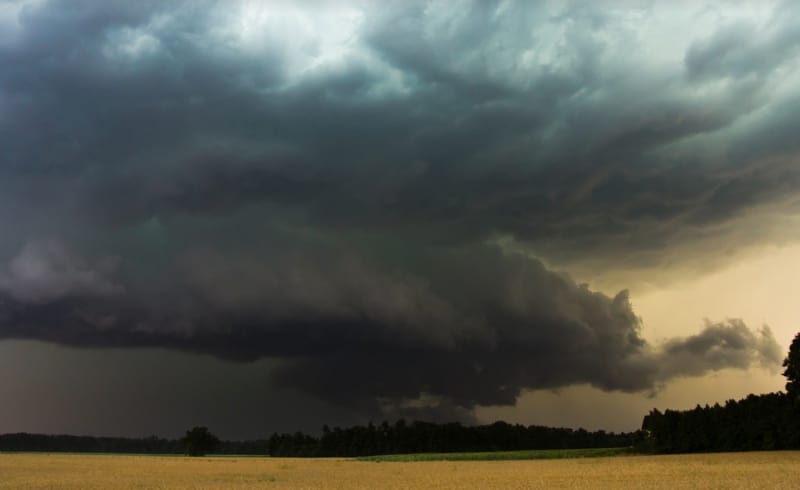
    severe-convective-storm-weatherIn recent years, severe convective storms, which includes tornadoes, damaging winds, and hailstorms have continued to grow in intensity and expand geographically across the U.S.

    Nevertheless, despite the occurrence of multiple multi-billion-dollar events this year, KCC notes in a recent commentary that the losses during the typically active spring months, particularly in May, were relatively low this year due to a sustained high-pressure system over the Southeast.

    The catastrophe risk modeler specifically pointed out that in spring, the jet stream, a crucial driver of SCS activity, is frequently positioned further south. Consequently, this set up generally leads to storm formation in the Southeast and Texas, regions where higher losses usually occur.

    “In May 2026, the southerly storm tracks were blocked by a persistent high-pressure system that was positioned over the Southeast for much of the month. High pressure often means warm, dry weather, and sinking air, which prevents convective storms from developing. The persistent high pressure in May led to exceptionally dry weather in the Southeast, prolonging the drought conditions in this region,” KCC explained.

    “This weather pattern led to above-average wildfire activity, but almost no severe storms for the entire month. SCS impacts were mainly limited to the Central Plains,” the firm added.

    Accumulated losses by the end of June typically account for over 75% total annual SCS losses. However, KCC’s recent commentary highlights why 2026 is trending below recent years.

    Recent broker reports on H1 2026 catastrophe losses still reinforce SCS as this year’s primary loss driver for the global insurance and reinsurance market, even in a quieter period for the peril.

    Gallagher Re estimated that around $26 billion of its $46 billion global insured catastrophe total stemmed from SCS events, with the broker calling it North America’s costliest peril.

    Similarly, Aon pegged insured losses from U.S. severe convective storms at approximately $27 billion for H1 2026, with the firm noting that a U.S. outbreak from April 23rd to 29th was the period’s single largest event, generating over $5 billion in insured losses.

    While SCS continues to remain a dominant peril generating tens of billions in insured losses, 2026 total losses are currently on track to land below recent annual averages.


    Print Friendly, PDF & Email


    Source link

    insurance insured catastrophe losses insured losses reinsurance severe thunderstorm
    Share. Facebook Twitter Pinterest LinkedIn Tumblr Telegram Email
    Previous ArticleMost Americans Say “Not in My Backyard” to AI Data Centers
    Next Article How Wealthy Retirees Can Overcome Their Fear of Spending
    Money Mechanics
    • Website

    Related Posts

    Standardised parametric triggers & portfolio aggregation to drive ILS into digital infrastructure: Oliver Wyman

    July 22, 2026

    Hannover Re vehicle Kaith Re issues $14.94m Seaside Re private cat bond

    July 21, 2026

    Why Your Neighbor Is Paying Half as Much for Home Insurance

    July 20, 2026
    Add A Comment
    Leave A Reply Cancel Reply

    Top Posts

    How Wealthy Retirees Can Overcome Their Fear of Spending

    July 23, 2026

    U.S. SCS insured losses projected to be below average in 2026: KCC

    July 23, 2026

    Most Americans Say “Not in My Backyard” to AI Data Centers

    July 23, 2026

    Overcome Caregiver Burnout: Real Advice That Works

    July 23, 2026

    Subscribe to Updates

    Please enable JavaScript in your browser to complete this form.
    Loading

    At Money Mechanics, we believe money shouldn’t be confusing. It should be empowering. Whether you’re buried in debt, cautious about investing, or simply overwhelmed by financial jargon—we’re here to guide you every step of the way.

    Facebook X (Twitter) Instagram Pinterest YouTube
    Links
    • About Us
    • Contact Us
    • Disclaimer
    • Privacy Policy
    • Terms and Conditions
    Resources
    • Breaking News
    • Economy & Policy
    • Finance Tools
    • Fintech & Apps
    • Guides & How-To
    Get Informed

    Subscribe to Updates

    Please enable JavaScript in your browser to complete this form.
    Loading
    Copyright© 2025 TheMoneyMechanics All Rights Reserved.
    • Breaking News
    • Economy & Policy
    • Finance Tools
    • Fintech & Apps
    • Guides & How-To

    Type above and press Enter to search. Press Esc to cancel.