


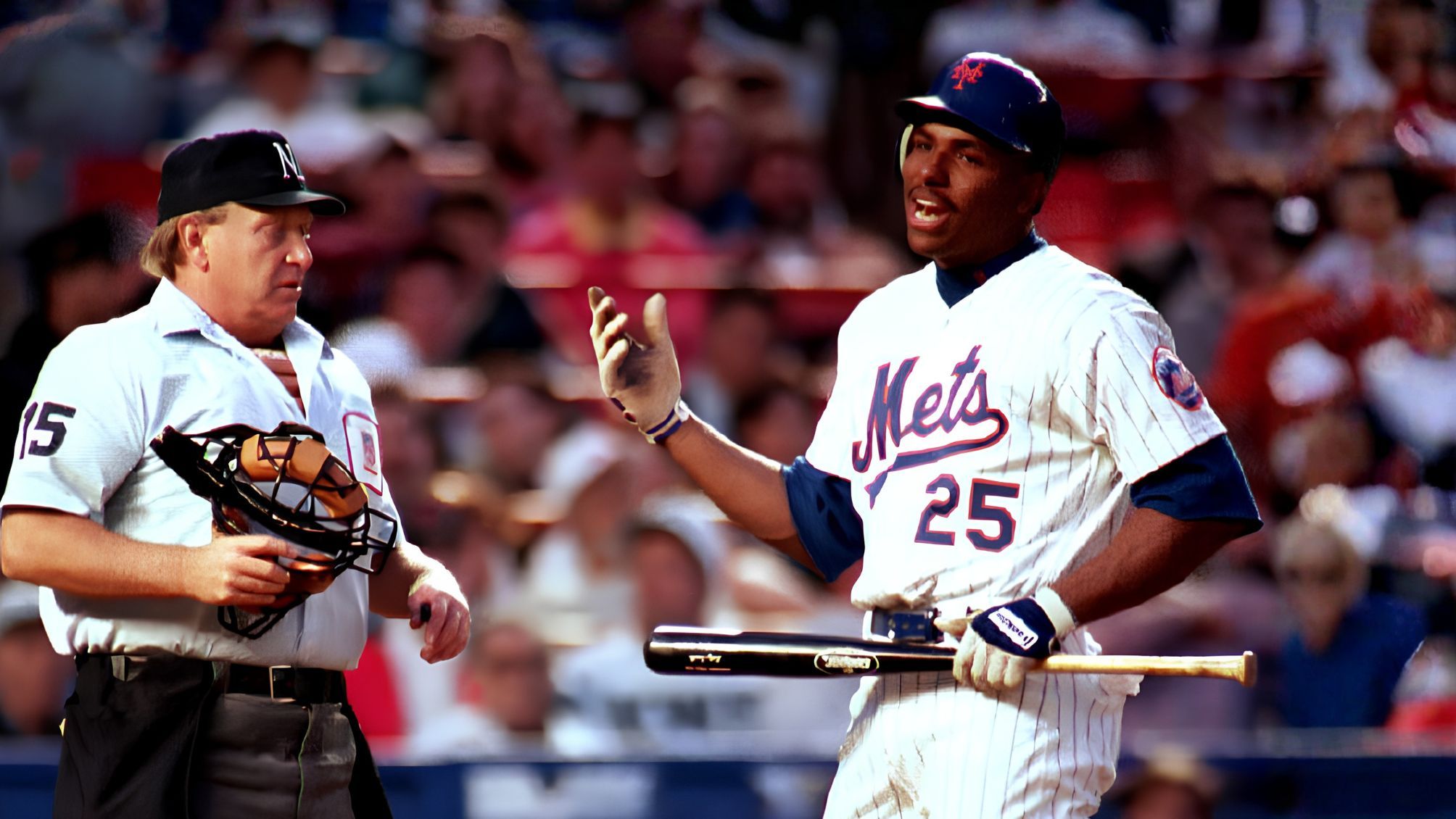
Happy Bobby Bonilla Day! For years, I’ve watched memes pop up across social media every July 1. Baseball fans celebrate the day as a reminder that former New York Mets player Bobby Bonilla is still collecting a paycheck decades after playing his last Major League game. It’s become one of sports’ favorite annual traditions, often accompanied by jokes about the contract that just won’t end.
But here’s the thing: Bobby Bonilla Day isn’t really about baseball. It’s about money.
Few of us will ever negotiate a multimillion-dollar deferred compensation deal, but the idea behind Bonilla’s annual paycheck is surprisingly familiar. Whether retirement is decades away or just around the corner, the goal is the same: replacing your paycheck with income that continues after your working years end. That income may eventually come from Social Security, pensions, annuities, investments or rental properties, but building it starts long before you retire.
Sign up for Kiplinger’s Free Newsletters
Profit and prosper with the best of expert advice on investing, taxes, retirement, personal finance and more – straight to your e-mail.
Profit and prosper with the best of expert advice – straight to your e-mail.
Why Bobby Bonilla is still getting paid

(Image credit: Thomas Simonetti for The Washington Post via Getty Images)
The story behind Bobby Bonilla Day dates back to 2000, when the New York Mets wanted to move on from veteran outfielder Bobby Bonilla while he was still owed millions under his contract. Rather than paying the remaining money in a lump sum, the two sides agreed to a deferred compensation arrangement.
Under the agreement, Bonilla postponed receiving the money he was owed in exchange for annual payments that began in 2011 and continue every July 1 through 2035. Because the payments include interest, the total amount Bonilla will ultimately receive is significantly more than the original salary he deferred.
Why would the Mets agree to that? At the time, the team believed it could earn higher returns by investing the money instead of paying Bonilla immediately. Those expectations were tied in part to investments associated with financier Bernard Madoff, whose massive Ponzi scheme later collapsed. In hindsight, the strategy proved far more expensive than simply paying Bonilla what he was owed upfront.
Today, the annual payment has become known as “Bobby Bonilla Day.” Now 63, Bonilla is older than the age at which Americans first become eligible to claim Social Security retirement benefits, making his annual July 1 paycheck feel even more like a retirement income stream.
While it’s often treated as a punchline, the agreement is an example of a basic financial principle: money can be structured to provide income over time instead of all at once. That’s a concept that extends well beyond professional sports and into many retirement plans.
Retirement is about replacing your paycheck
For most people, retirement doesn’t come with a contract that guarantees a million-dollar check every July. Instead, it requires building enough reliable income to replace the paycheck that disappears when you leave the workforce.
That’s one of the biggest shifts in retirement planning. During your working years, your employer provides your primary source of income. Once you retire, you’re responsible for creating your own paycheck using a combination of income sources.
For many retirees, that starts with Social Security. Others may also receive a pension, annuity payments, investment income, rental income or distributions from retirement accounts such as 401(k)s and IRAs. The right mix depends on your savings, lifestyle and retirement goals, but the objective is the same: generating enough dependable income to cover your living expenses year after year.
Bobby Bonilla’s annual paycheck may be unusual, but the concept isn’t. Whether the money comes from a deferred compensation agreement, a pension or an investment portfolio, retirement planning is ultimately about creating income that continues long after your working years are over.
Use the tool below, powered by Bankrate, to connect with a financial professional who can help you create a retirement strategy tailored to your goals.
Deferred income isn’t just for professional athletes

(Image credit: Getty Images)
Bobby Bonilla’s contract may be one of the most famous examples of deferred compensation, but he’s far from the only person who receives income long after the work is done.
Many corporate executives participate in deferred compensation plans that allow them to postpone receiving part of their salary or bonuses until retirement, often for tax-planning purposes. Business owners may structure the sale of a company as installment payments that provide income over several years instead of receiving the full purchase price upfront.
Deferred income can also take other forms. Employees may receive company stock that vests over time, consultants may negotiate ongoing retainers, and people who settle lawsuits may choose structured settlements that pay out over many years rather than as a single lump sum.
While these arrangements differ from Bonilla’s contract, they all share the same underlying principle: delaying income today in exchange for a predictable stream of payments in the future. Depending on your financial goals, taxes and investment strategy, spreading income over time can provide greater flexibility and help create more consistent cash flow.
The real lesson behind Bobby Bonilla Day
Most people will never sign a contract that guarantees them a paycheck decades after they retire. But Bobby Bonilla Day highlights a goal that every retirement saver should strive for: creating income that continues after their working years are over.
That doesn’t happen through a single contract. Instead, it’s typically built over decades by combining several sources of retirement income. For many Americans, that starts with maximizing Social Security benefits by claiming at the right time.
Others may supplement those benefits with withdrawals from retirement accounts, dividend-paying investments, interest from bonds or certificates of deposit, pensions, annuities or income-producing real estate.
The best retirement income strategy depends on your goals, risk tolerance and financial situation. Some retirees value the predictability of guaranteed income, while others prefer the flexibility and growth potential of investment portfolios. Many rely on a combination of both.
Every July 1, Bobby Bonilla reminds us that getting paid long after your career ends isn’t just a quirky baseball story. It’s the same objective that millions of Americans are working toward: replacing a paycheck with dependable income that lasts throughout retirement.
Enjoy the check, Bobby. The rest of us have some retirement planning to do.
