


Raising financially responsible children means integrating financial education as early as possible.
From helping them save money in their piggy bank in the early years to budgeting larger purchases as they grow older, parents are integral to their children’s financial success.
Still, saving for them continues to prove challenging. The cost to raise a child in the United States from birth to age 18 now averages more than $300,000 and is expected to increase.
Sign up for Kiplinger’s Free Newsletters
Profit and prosper with the best of expert advice on investing, taxes, retirement, personal finance and more – straight to your e-mail.
Profit and prosper with the best of expert advice – straight to your e-mail.
As prices rise, it is more important to understand the savings options available to support your child’s future.
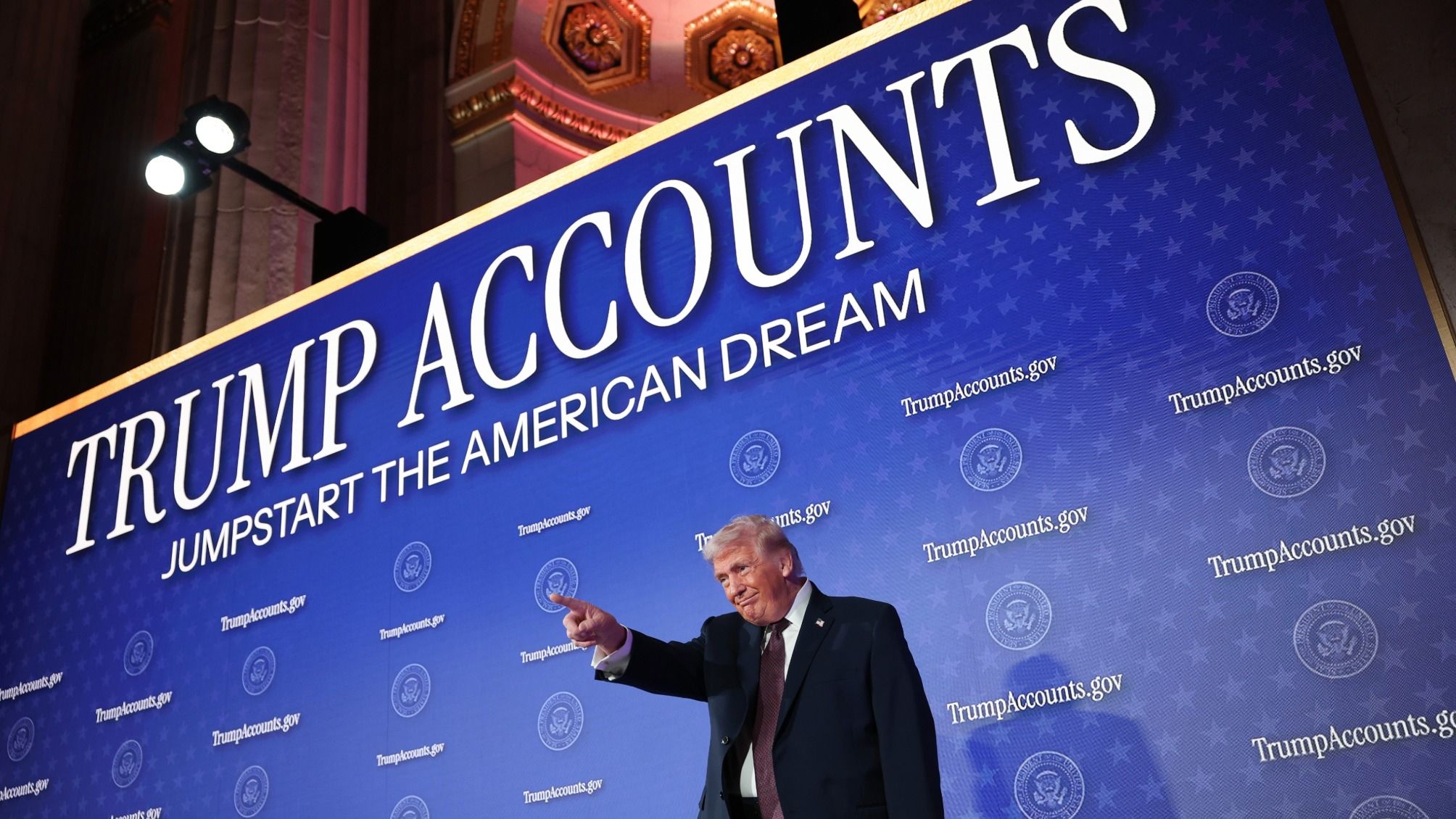
In December 2025, a new form of savings account, 530A Accounts, more commonly known as Trump Accounts, was announced to help parents save for their children’s future in a tax-advantaged way.
I’m a CFP® professional, and as more information has emerged about these accounts, my clients have asked questions about the specifics of this investment vehicle and how it fits within their current planning strategies. Here’s what I am telling them.
What is a Trump Account?
It’s important to understand that these new accounts aren’t a replacement for other savings or retirement accounts, such as IRAs and 529 plans, but an additional strategy to complement your current financial plan.
Historically, helping a minor save for retirement has been accomplished in a Uniform Transfer to Minor Act (UTMA) account or a 529 college savings account. Each has benefits and drawbacks.
An UTMA account can help you save for a child’s future, but the funds don’t become available until the age of majority, which is determined by state law
A 529 is a great vehicle to save for college, but it’s limited to that need — otherwise, taxes and penalties apply
While these accounts address the needs of children in their adolescence, there’s been little discussion about starting early on their retirement savings. The introduction of the Trump Account addresses this gap but also comes with its own benefits and drawbacks.
What are the benefits and drawbacks of a Trump Account?
Let’s start with the good news. Anyone can contribute to a Trump Account on behalf of a beneficiary under 18, including the beneficiary themselves. These contributions are made with after-tax dollars and grow tax-deferred until withdrawn.
Employers can also make tax-free contributions to a Trump Account, up to $2,500 per year.
Contributions are limited to $5,000 per year, per beneficiary and are indexed for inflation. The government might elect to issue a $1,000 grant to help kickstart the account.
Assets in a Trump Account are considered the beneficiary’s funds and aren’t available to creditors, and the Treasury Department has selected Bank of New York to hold these accounts with the help of broker-dealer Robinhood to develop the new Trump Account app.
There are, however, two distinct limitations to Trump Accounts:
Applicants must have a current U.S.-based address, so parents who live abroad aren’t eligible to apply
The seed-money program is limited to children born from January 1, 2025, to December 31, 2028, who are U.S. citizens and have a Social Security number. Money in a Trump Account must be invested in a high-risk U.S. equity index, as opposed to a mix of equities and bonds or a lifecycle fund.
How are Trump Accounts used?
These accounts have strict parameters, chiefly that no withdrawals are permitted before the beneficiary reaches age 18.
Once the beneficiary reaches age 18, their Trump Account is converted to a traditional IRA account and is subject to the same withdrawal rules: Tax-free contributions, appreciation and earnings are taxed as ordinary income.
Withdrawals before age 59½ are subject to a 10% penalty unless one of the following exceptions applies:
- First-time home purchase
- Birth or adoption expenses
- Qualified higher education expense
- Death
- Disability
- Terminal illness
- Health insurance expenses if unemployed
- Some medical expenses
These accounts are also subject to future tax law changes; it might be possible to convert the traditional IRA to a Roth IRA at little to no tax at age 18. If the beneficiary dies during the growth period before turning 18, the account terminates. The income is taxable to “the recipient or to the deceased beneficiary’s estate.”
Wealthy families might consider these accounts an “extra bucket” after their core planning. Given contribution caps and restrictions, the accounts are best positioned as a supplemental planning tool alongside 529 plans, trusts and retirement vehicles.
Additional questions and answers
How do you get started with a Trump Account? Getting started appears straightforward. You can submit an application at www.trumpaccounts.gov and complete IRS Form 4547. You’ll be contacted when it’s time to activate your account after the program goes live.
Will Trump Accounts supercharge your children’s retirement planning? No. They’re simply another long-term savings vehicle that you can set and forget that provides more for your child when they’re ready.
Will Trump Accounts work for all families? No, the small pilot program and geographic considerations will initially exclude a large portion of the population, although the overall approach could serve as a smart model that kickstarts retirement planning from birth and shifts the investing landscape for decades to come.
Only time will tell.
Related Content
TOPICS
