Close Menu
Money MechanicsMoney Mechanics
    What's Hot

    Gold Selloff Looks Overdone as Inflation and War Risks Remain

    June 15, 2026

    Bankruptcy vs. Debt Relief: Which One Actually Makes Sense for You? (2026)

    June 15, 2026

    America’s natural gas advantage: Engineering the dual-fuel work truck and the missed path in U.S. transportation policy

    June 15, 2026
    Facebook X (Twitter) Instagram
    Trending
    • Gold Selloff Looks Overdone as Inflation and War Risks Remain
    • Bankruptcy vs. Debt Relief: Which One Actually Makes Sense for You? (2026)
    • America’s natural gas advantage: Engineering the dual-fuel work truck and the missed path in U.S. transportation policy
    • Is That New Medicare Card You Received Legitimate?
    • Your $1 Million Retirement Could Be Wiped Out by Your Own Home
    • Kiplinger’s Investing Playbook for the Second Half of 2026
    • 6 Ways to Make Economy Feel Like Business Class
    • June Fed Meeting: Live Updates and Commentary
    Facebook X (Twitter) Instagram
    Money MechanicsMoney Mechanics
    • Home
    • Markets
      • Stocks
      • Crypto
      • Bonds
      • Commodities
    • Economy
      • Fed & Rates
      • Housing & Jobs
      • Inflation
    • Earnings
      • Banks
      • Energy
      • Healthcare
      • IPOs
      • Tech
    • Investing
      • ETFs
      • Long-Term
      • Options
    • Finance
      • Budgeting
      • Credit & Debt
      • Real Estate
      • Retirement
      • Taxes
    • Opinion
    • Guides
    • Tools
    • Resources
    Money MechanicsMoney Mechanics
    Home»Resources»What the Nasdaq’s New ‘Fast Entry’ Rule Means for Investors
    Resources

    What the Nasdaq’s New ‘Fast Entry’ Rule Means for Investors

    Money MechanicsBy Money MechanicsMay 1, 2026No Comments3 Mins Read
    Facebook Twitter LinkedIn Telegram Pinterest Tumblr Reddit WhatsApp Email
    What the Nasdaq’s New ‘Fast Entry’ Rule Means for Investors
    Share
    Facebook Twitter LinkedIn Pinterest Email


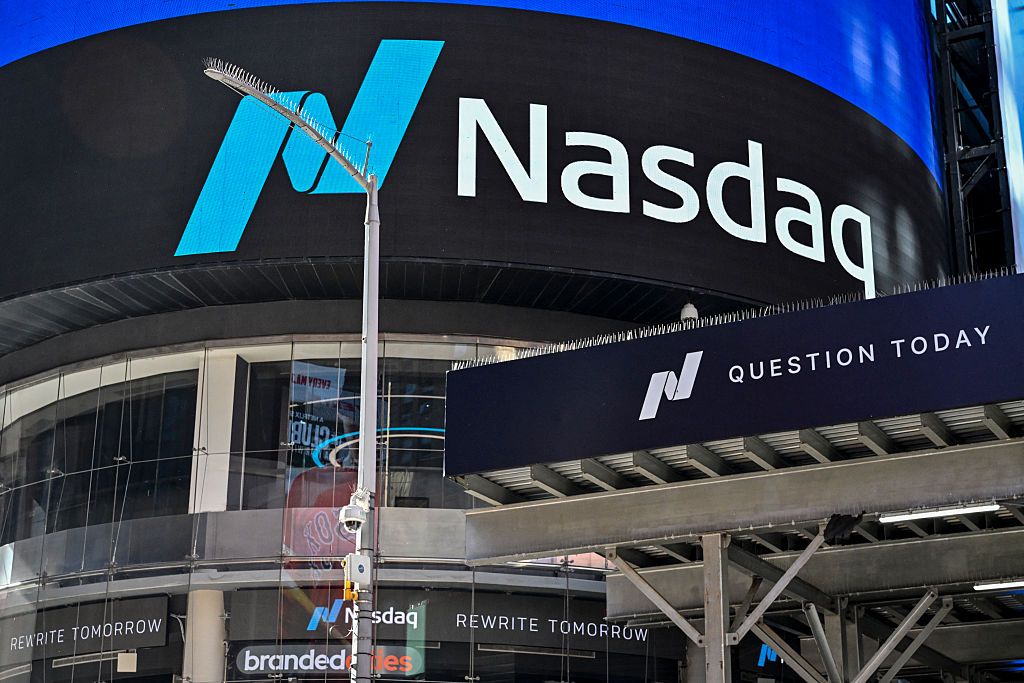
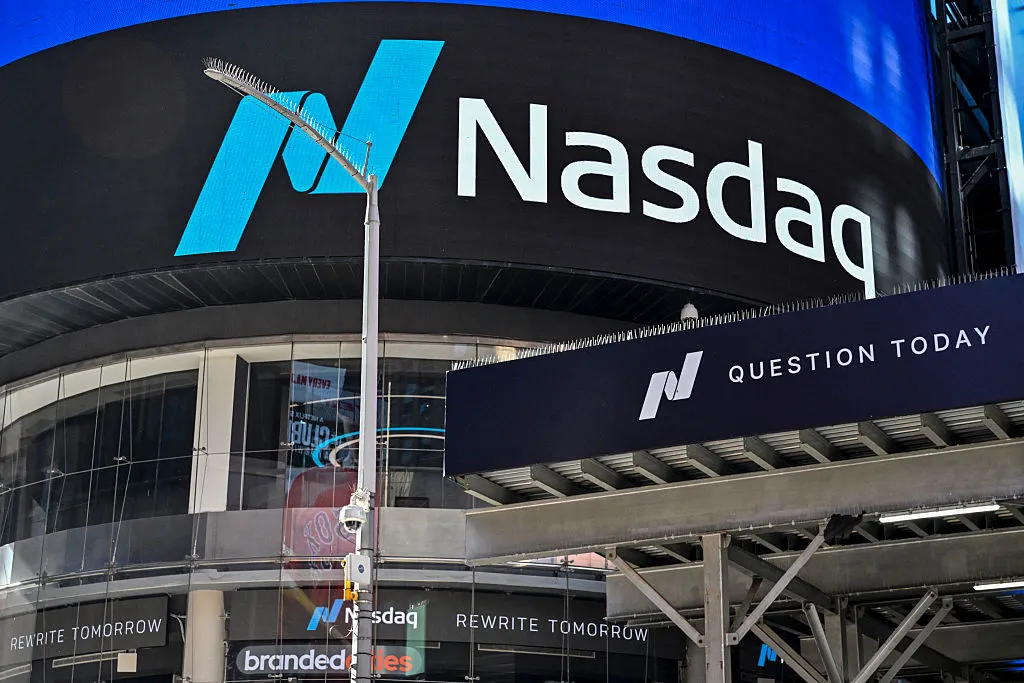
    A view of the NASDAQ MarketSite in Times Square, New York City

    (Image credit: ANGELA WEISS/AFP via Getty Images)

    SpaceX and OpenAI are gearing up to go public in what would be the biggest initial public offerings (IPOs) of all time, and Nasdaq (NDAQ) can hardly wait.

    The exchange operator rolled out new “fast entry” rules that will allow it to speed up the process of adding such massive companies to its flagship Nasdaq-100 index. Ordinarily, it can take up to a year for a mega-cap stock to be included in the Nasdaq-100.

    Under the new rules (PDF), which go into effect on May 1, newly public mega caps would be eligible for inclusion after just 15 trading days – and with only five days of prior market notice.

    From just $107.88 $24.99 for Kiplinger Personal Finance

    Become a smarter, better informed investor. Subscribe from just $107.88 $24.99, plus get up to 4 Special Issues

    CLICK FOR FREE ISSUE

    Sign up for Kiplinger’s Free Newsletters

    Profit and prosper with the best of expert advice on investing, taxes, retirement, personal finance and more – straight to your e-mail.

    Profit and prosper with the best of expert advice – straight to your e-mail.

    That’s important for a number of reasons. The Nasdaq-100, which comprises the 100 largest non-financial companies in the Nasdaq Composite, is tracked by exchange-traded funds with more than $800 billion in assets. A longer waiting period informs price discovery.

    For one thing, the delay stops hedge funds from front-running ETF investors. Under the new rules, hedge funds could buy the stock on the day of the IPO and then flip it to passive investors just 15 days later. That’s basically a wealth transfer from long-term index investors to fast-money pros.

    Another issue: when a company is added to an index, institutional buyers are forced to buy shares. The Invesco QQQ Trust (QQQ), the largest Nasdaq-100 ETF with $430 billion in assets under management (AUM), will have no choice but to buy these newly issued stocks just two weeks after they go public. With shares still riding the post-IPO pop, it’s fair to say passive investors won’t be getting the best price.

    And let’s not forget insiders, who under the old rules had a 90- to 180-day lockup period. Under the new rules, they could sell when the stock is artificially propped up by forced buying.

    Put it all together, and research shows that the fast entry process could allow newly public companies to raise 6% more capital – and that capital would come at the expense of index investors.

    SpaceX is targeting an IPO in June, with a valuation between $1.75 trillion and $2 trillion. OpenAI, which could go public as soon as the fourth quarter of 2026, is valued at more than $850 billion. With those sorts of eye-watering figures, you can see why so many voices are crying foul.

    “This is the most shameless structural manipulation of a major index I’ve ever seen,” writes George Noble, chief investment officer of Noble Capital Advisors. “Indexing used to be brilliant because you were free-riding on the price discovery of active managers. Now, the index is the market.”

    When trillions of dollars flow blindly into whatever the rules dictate, “your 401(k) is the exit liquidity. This is the fundamental corruption of indexing,” he adds.

    Related content


    Source link

    Share. Facebook Twitter Pinterest LinkedIn Tumblr Telegram Email
    Previous ArticleIndonesia boosts payouts for delivery drivers in Labour Day handout
    Next Article Quiz: Is Your 2026 Income Actually Taxable?
    Money Mechanics
    • Website

    Related Posts

    June Fed Meeting: Live Updates and Commentary

    June 15, 2026

    How to Learn to Stop Worrying About the Gift Tax and Give Your Kids Money Already

    June 14, 2026

    You’ve Spent a Lifetime Amassing Your Stuff. Here’s How to Get Rid of It.

    June 13, 2026
    Add A Comment
    Leave A Reply Cancel Reply

    Top Posts

    Gold Selloff Looks Overdone as Inflation and War Risks Remain

    June 15, 2026

    Bankruptcy vs. Debt Relief: Which One Actually Makes Sense for You? (2026)

    June 15, 2026

    America’s natural gas advantage: Engineering the dual-fuel work truck and the missed path in U.S. transportation policy

    June 15, 2026

    Is That New Medicare Card You Received Legitimate?

    June 15, 2026

    Subscribe to Updates

    Please enable JavaScript in your browser to complete this form.
    Loading

    At Money Mechanics, we believe money shouldn’t be confusing. It should be empowering. Whether you’re buried in debt, cautious about investing, or simply overwhelmed by financial jargon—we’re here to guide you every step of the way.

    Facebook X (Twitter) Instagram Pinterest YouTube
    Links
    • About Us
    • Contact Us
    • Disclaimer
    • Privacy Policy
    • Terms and Conditions
    Resources
    • Breaking News
    • Economy & Policy
    • Finance Tools
    • Fintech & Apps
    • Guides & How-To
    Get Informed

    Subscribe to Updates

    Please enable JavaScript in your browser to complete this form.
    Loading
    Copyright© 2025 TheMoneyMechanics All Rights Reserved.
    • Breaking News
    • Economy & Policy
    • Finance Tools
    • Fintech & Apps
    • Guides & How-To

    Type above and press Enter to search. Press Esc to cancel.