


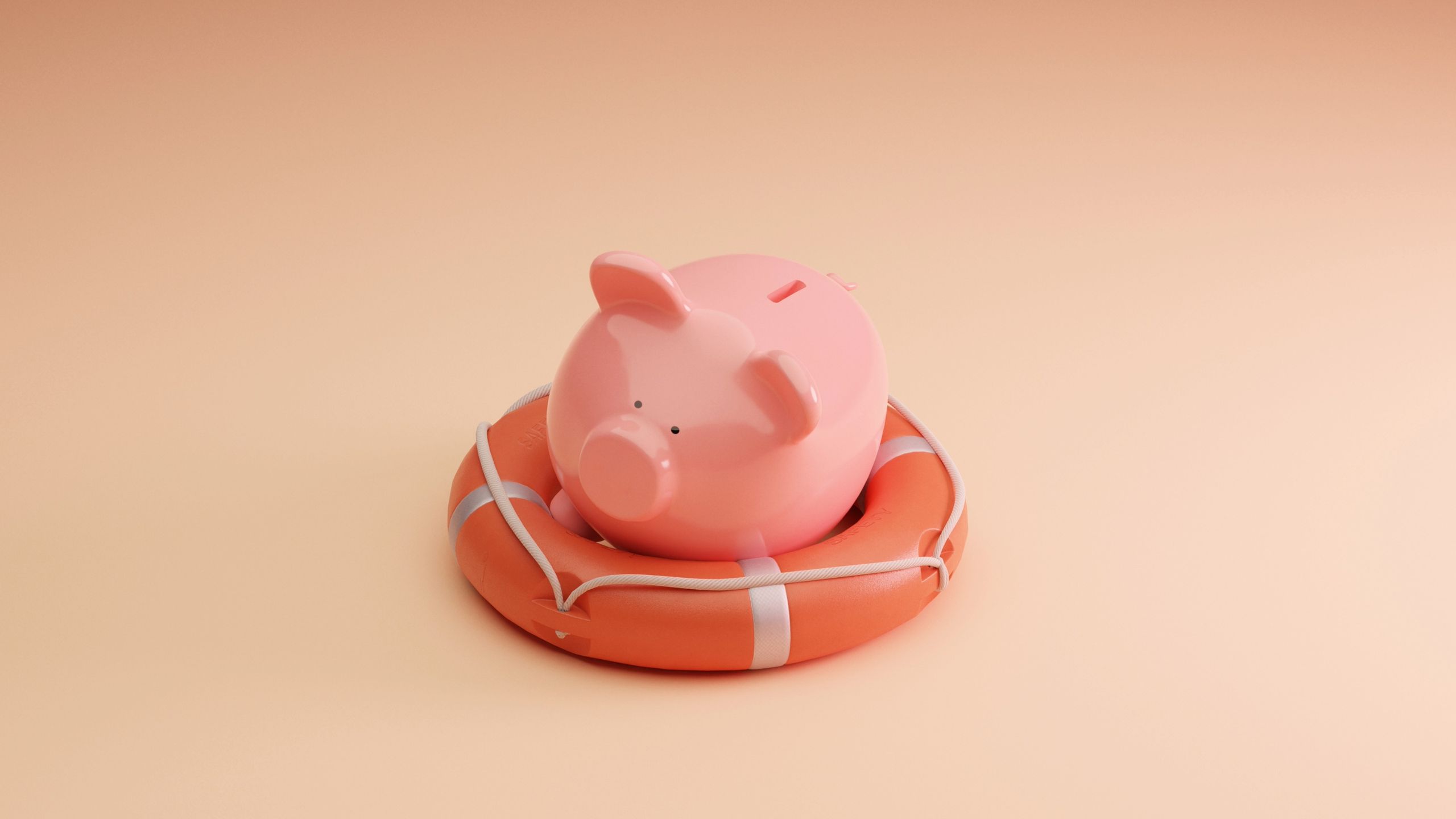

(Image credit: Getty Images)
If the last few years have taught us anything, it’s that life doesn’t send a calendar invite before it throws a curveball. An emergency fund won’t stop surprises. However, it can turn a financial shock into a manageable setback rather than a crisis.
The good news is that it’s possible to build an emergency fund faster than you think. Read on to find out how.
An emergency fund is the safety net that keeps your long-term plans intact when short-term chaos shows up. Without it, even a small surprise can force you to put expenses on a high-interest credit card or delay bills, lowering your credit score.
Sign up for Kiplinger’s Free Newsletters
Profit and prosper with the best of expert advice on investing, taxes, retirement, personal finance and more – straight to your e-mail.
Profit and prosper with the best of expert advice – straight to your e-mail.
In Bankrate’s 2026 emergency savings report, more than half of Americans (53%) said they couldn’t cover a $1,000 unexpected cost from savings alone. That’s a lot of households walking a tightrope without a net.
What counts as an emergency fund
Your emergency fund is a cash reserve set aside for urgent, unexpected costs. It’s not for planned expenses, such as an upcoming trip or a phone upgrade.
This money is designed to be boring on purpose — safe and liquid, but ready to use. However, here are three things people get wrong:
They think it’s only for “big” emergencies when small but urgent bills, such as a car repair, drain budgets more often than catastrophes.
They wait to start until they can save thousands. A starter fund of $500 to $1,000 can stop the bleed, and that early momentum matters.
They put the money out in the market. Keep in mind that volatility and emergency don’t work well together.
- Job loss
- Medical bills
- Pet emergencies
- Dental work
- Broken water heater
- Blown transmission
This raises the question: Are you prepared for a financial emergency? Not having a financial buffer turns those moments into costly debts. Without an emergency fund, you might end up borrowing money from a family member or friend. You might even apply for a personal loan, or take on a high-interest credit.
How to build your emergency fund faster
Speed comes from systems, not streaks. Here’s how to build your emergency fund as quickly as possible:
1. Figure out your target number.
A right-sized target keeps you focused and honest. It also helps you choose the right pace to get there. Start with your “must-have” monthly expenses: Rent or mortgage, utilities, groceries, insurance, minimum debt payments, transportation, child care and any medical costs you can’t skip. Then add them up across the last three to six months to get a realistic average.
2. Pick the right account.
Your money needs to be safe and easily accessible. So the account you pick matters more than it seems.
Savings vs money market accounts. Traditional savings accounts are simple and safe. They are widely available, but often light on interest. Money market accounts can offer limited check-writing or debit access, and sometimes require higher minimums.
Go high-yield if you can. High-yield savings accounts offer this perfect combination: Immediate access when you need it, FDIC insurance for security, and interest rates that help your fund keep pace with inflation. The extra monthly earnings might seem small, but they add up significantly over time.
A few practical tips: Keep your emergency fund at a different bank than your checking account to reduce the risk of impulse transfers. Name the account “Emergency Fund,” so you think twice before moving money out. And avoid locking it all in CDs, since you need quick access without penalties.
3. Make savings automatic.
Let’s keep it straightforward: Use direct deposit to send a slice of each paycheck straight to your emergency account, or schedule a transfer for the day your pay hits. Also, try the “save more tomorrow” rule: Bump your transfer by 1% every quarter or raise.
Remember, the most successful savers treat their emergency fund contribution like any other bill. Set up an automatic transfer the day after your paycheck hits, and you’ll never miss money you never see.
This simple behavioral hack eliminates the willpower battle and makes saving inevitable rather than optional.
4. Bring in more money.
On the other side of the ledger, focus on increasing cash inflows. For a fast sprint, start by selling unused items (like sports gear, electronics or furniture) while motivation is high. You can also monetize a skill through freelance gigs, tutoring or consulting.
While at it, look for opportunities to earn more through flexible or short-term work. You might pick up extra shifts or ask for overtime if it’s available. Alternatively, consider turning a hobby into a small micro-business with a clear end date, like a focused 60-day push.
Finally, think about ways to scale your earning potential. Knowing how to build a direct booking site, an e-commerce store, a landing page, or a blog can increase your income opportunities. And whenever a windfall arrives, such as tax refunds and bonuses, use it to leapfrog your timeline.
5. Cut the easy stuff first.
You don’t need a bare-bones lifestyle to save fast, but you do need a focused few months. Look for easy wins first:
- Regular subscriptions. Think of those you forgot about or rarely use.
- Food delivery and dining out. Batch-cook simple meals and keep a few freezer go-to’s on hand.
- Auto and home insurance. Shop quotes and ask for bundling or safe-driver discounts.
- Phone and internet bills. Negotiate or switch to a lower plan.
- Interest costs. A 0% balance transfer or lower-rate consolidation can free up cash. Just read the fine print.
Small cuts add up. If you can trim $150 a month from your spending and recurring bills, and automatically redirect it, that’s $1,800 a year without feeling it much day to day.
6. Keep it safe once you’ve built it.
Once you’ve built momentum, your job shifts from sprinting to safeguarding.
Know when to actually use your emergency fund. Use clear rules so you don’t talk yourself into gray-area spending. Good reasons to tap the fund: Job loss or a sharp income drop, essential car or home repairs, medical or dental emergencies, or emergency travel for family.
But before you withdraw, check whether costs could be covered by insurance, payment plans or HSA/FSA funds.
Fill it back up. If you do use your emergency fund, make refilling the account a short-term priority. Temporarily pause extra investments or debt prepayments and redirect that cash flow.
Channel all windfalls straight back into the fund. Run a 30- to 60-day “no-spend except essentials” sprint.
Revisit your budget and re-automate contributions at a slightly higher amount until you’re back to target.
The bottom line
When building an emergency fund, you don’t need perfect conditions to start. You only need a target and a simple plan. But more importantly, you need a system that runs even on your busiest days.
To begin, set a starter goal you can hit within a month. Pick a high-yield savings account with solid insurance coverage and set up an automated transfer for the day after payday. Let the small wins stack up.
Remember: A steady emergency fund keeps detours from becoming dead ends. Ultimately, it buys you time to make good decisions when life gets loud.
