


(Oil Price) – The oil-driven inflation shock rippling through global markets is now forcing a sharp rethink of U.S. monetary policy, with traders rapidly shifting from rate-cut expectations to pricing in potential hikes as crude continues to surge on Middle East supply disruptions.
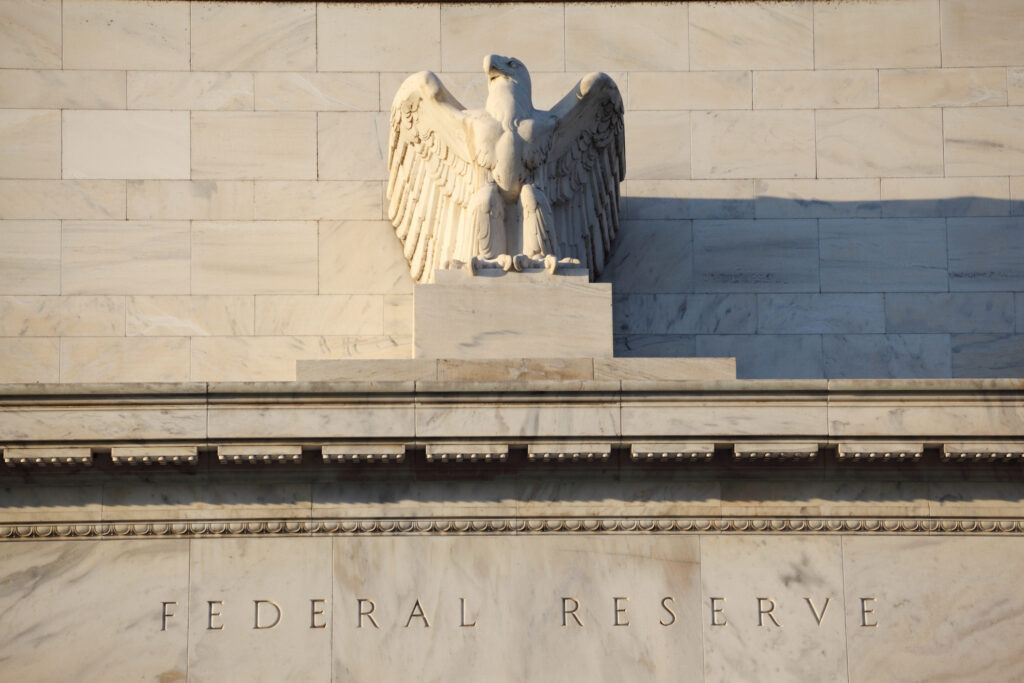
According to Bloomberg, markets are reassessing the Federal Reserve’s path as energy-driven inflation risks intensify. Fed funds futures now indicate a 50% probability that benchmark rates will be higher by at least 25 basis points after the September FOMC meeting, marking a decisive reversal from expectations just weeks ago that centered on multiple rate cuts.
The shift is being driven almost entirely by oil. Brent crude has surged sharply since the outbreak of the U.S.-Israel conflict with Iran and the disruption of flows through the Strait of Hormuz, a chokepoint that handles roughly a fifth of global oil and LNG trade. The resulting supply shock is feeding directly into inflation expectations and pushing short-term Treasury yields higher.
Front-end yields have reacted fastest. The U.S. 2-year Treasury yield has climbed back above 4%, erasing months of declines and signaling that markets are beginning to price in a more hawkish Fed stance despite weakening economic signals earlier this year.
Federal Reserve Chair Jerome Powell acknowledged last week that the Middle East conflict is already feeding into inflation expectations, noting that the surge in oil prices is a key near-term driver. Policymakers held rates steady at 3.50%-3.75%, but the market is now moving ahead of the Fed, repricing the risk that inflation could remain elevated for longer than anticipated.
The speed of the shift has caught many off guard. Just a month ago, markets were pricing in a meaningful probability of rate cuts by year-end. That view has now been largely unwound as energy markets tighten and geopolitical risks escalate.
The International Energy Agency (IEA) on Monday estimated that 40 Middle East energy assets have been “severely or very severely” damaged in the Iran conflict, which will likely add significant recovery time for supply chains post-war.
By Michael Kern for Oilprice.com
