


(Image credit: Getty Images)
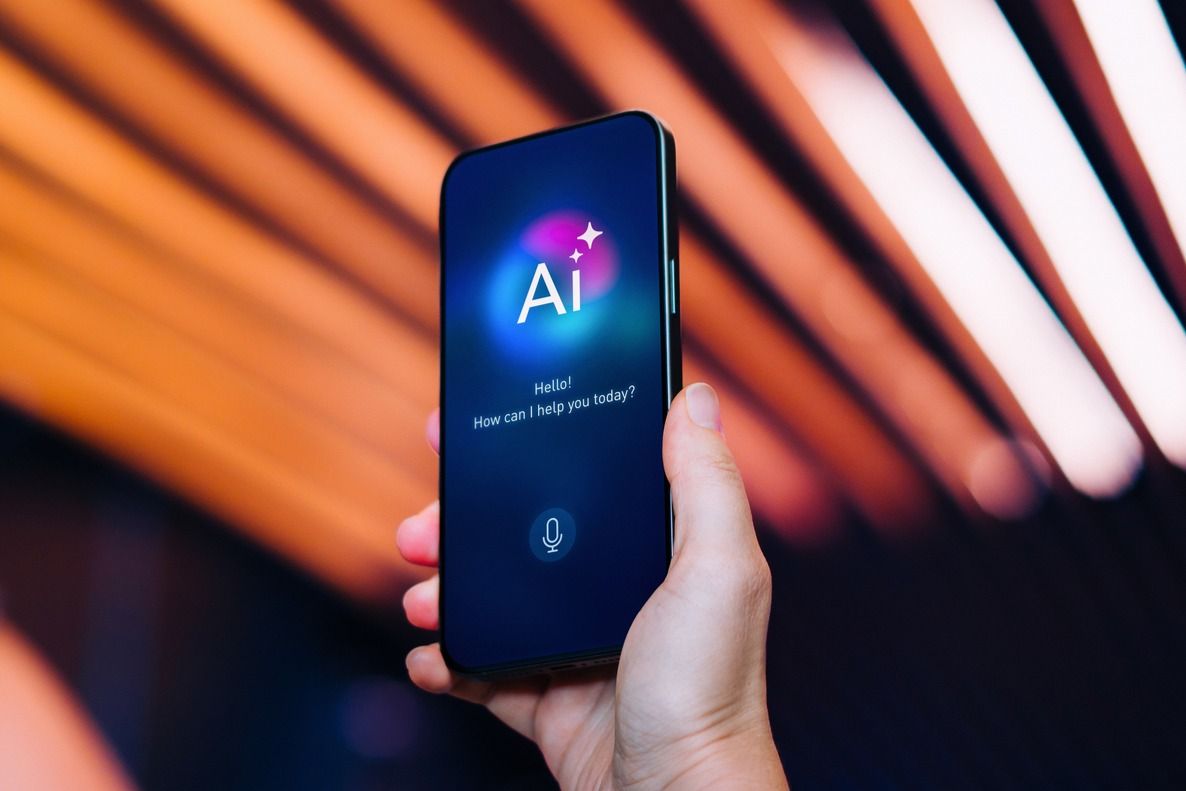
Apple iPhone owners could receive a payout from a proposed $250 million class-action settlement tied to allegations that Apple overstated the availability of certain AI-powered Siri features while marketing the iPhone 16 lineup.
The lawsuit alleged that Apple promoted advanced Apple Intelligence features before some of the tools were fully available, potentially leading consumers to purchase or upgrade devices based on capabilities that had not yet launched. The claims centered largely on promised Siri upgrades that Apple previewed during its 2024 Worldwide Developers Conference.
Apple denied the allegations and did not admit wrongdoing, but agreed to settle the lawsuit for $250 million pending court approval.
Sign up for Kiplinger’s Free Newsletters
Profit and prosper with the best of expert advice on investing, taxes, retirement, personal finance and more – straight to your e-mail.
Profit and prosper with the best of expert advice – straight to your e-mail.
What Apple Intelligence promised iPhone buyers
The advertising at the center of the lawsuit occurred during the 2024 release of the iPhone 16 lineup, when Apple promoted its “Apple Intelligence” software features alongside the new devices. The company said the AI-powered Siri upgrades would deliver more personalized responses, deeper app integration and greater contextual awareness.
In a March 2025 statement to Daring Fireball, Apple spokesperson Jacqueline Roy said the company had been working on a “more personalized Siri, giving it more awareness of your personal context, as well as the ability to take action for you within and across your apps.”
However, Roy also acknowledged that the rollout was taking longer than expected. She said Apple anticipated releasing the features “in the coming year.”
Why consumers say they were misled
The lawsuit alleges that some consumers upgraded their phones specifically to access the advertised AI tools, even though some of the features had not fully launched following the iPhone 16 release.
Part of the controversy centered on Apple’s use of the phrase “Available Now” on its Apple Intelligence webpage. Some consumers said the wording created the impression that all advertised features were immediately accessible when the phones launched.
The National Advertising Division later recommended that Apple discontinue or modify the claim, finding that the disclosures and disclaimers were not sufficiently clear to avoid potential confusion. Apple subsequently removed the “Available Now” language from the Apple Intelligence page.
Which iPhone owners could qualify for money
(Image credit: SOPA Images / Contributor)
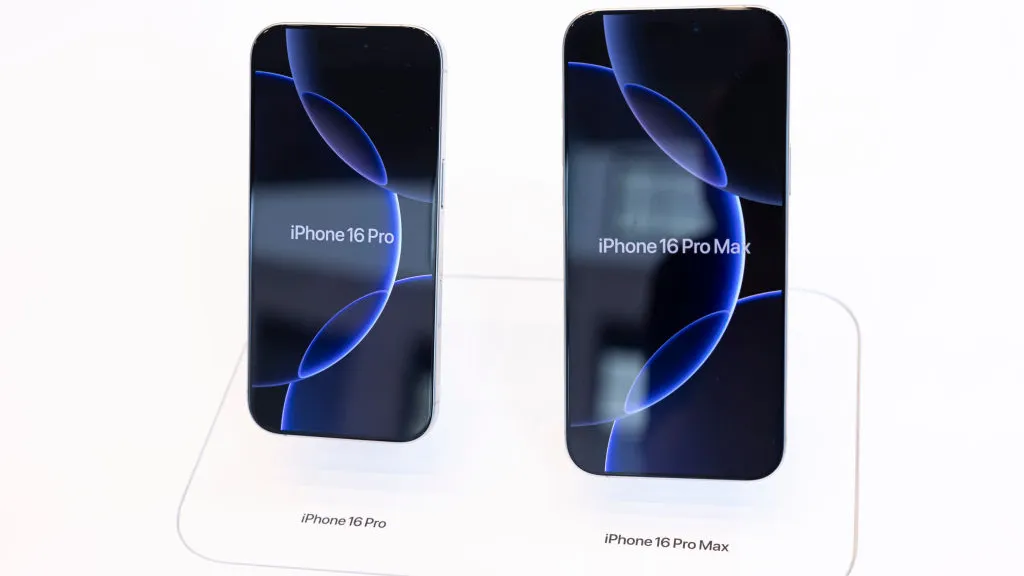
Approximately 37 million devices purchased in the United States are included in the proposed class-action settlement. Eligible devices purchased between June 10, 2024, and March 29, 2025, include:
- iPhone 16
- iPhone 16 Plus
- iPhone 16 Pro
- iPhone 16 Pro Max
- iPhone 15 Pro
- iPhone 15 Pro Max
How much money could eligible Apple users receive?
Apple users who purchased one of the eligible devices during the covered period could receive a payment of at least $25 under the proposed settlement. Depending on how many claims are filed, payouts could reportedly reach as much as $95 per device.
The settlement still requires court approval, and a deadline for filing claims has not yet been announced.
How Apple users may need to file a claim
Apple customers who may qualify for the settlement are expected to receive notice by mail or email with instructions on how to file a claim. According to Clarkson Law Firm, which represents plaintiffs in the case, additional settlement details and a dedicated claims website are expected to be released if the agreement receives final court approval.
Claim requirements have not yet been finalized. Consumers may need to provide proof of purchase for a qualifying device, though the final process could also include Apple ID or device verification.
For updates on eligibility, deadlines and filing instructions, consumers should monitor official settlement communications and the Clarkson Law Firm website as more information becomes available.
Watch for fake Apple settlement scams
Fraudulent settlement notices often request upfront payments, ask for sensitive information such as Social Security numbers or banking details, or pressure recipients to act quickly.
Legitimate class-action settlements do not require upfront payment to file a claim and generally do not demand highly sensitive financial information to participate.
Why this lawsuit matters beyond Apple
Companies are racing to advertise AI features to appeal to customers and drive sales, but in some cases, they’re doing so before those features are fully developed. Such advertising may contain false promises, which consumers only discover after they’ve purchased the product. These advertising practices are drawing increased scrutiny from regulators and consumers.
Before upgrading a phone or other device for AI features alone, it may be worth evaluating which capabilities are currently available versus which ones are expected to launch later. Waiting for real-world reviews and user feedback can also help buyers better understand how useful those features are in everyday use.
Keep in mind that AI features may continue changing after a launch, so it could be some time before you have access to the full suite of features a brand advertised.
What Apple users should do now
If you believe you may be eligible for an Apple AI lawsuit payout, watch your mail or email for official settlement notices with instructions on how to file a claim. You can also monitor updates and additional case information on Clarkson Law Firm’s Apple Intelligence lawsuit page.
Review your eligible devices and gather any records that could help verify your purchase or activation, such as receipts, order confirmations or Apple ID account information.
Keeping those details organized now could make it easier to file a claim once the settlement process officially opens and deadlines are announced.
