



Most “America 250” travel guides will point you toward the crowded, cobblestoned streets of Philadelphia or Boston — and while those historic hubs certainly earned their place in the history books, the true American story doesn’t end at the original 13 colonies. If you are looking to give your grandchildren a deeper sense of the nation’s heritage, the best classroom isn’t a packed museum line; it’s the open road.
These four itineraries trade predictable monuments for sweeping coastlines, ancient mountain passes and hidden historic stops, offering a compelling backdrop for passing down stories and building memories.
Out West: the Pacific Northwest & the corps of discovery

(Image credit: Getty Images)
Trace the final leg of the expedition that reshaped America: a road trip following the Columbia River Gorge from Portland to Astoria’s Fort Clatsop, ending where Lewis and Clark first saw the Pacific at Cape Disappointment.
Sign up for Kiplinger’s Free Newsletters
Profit and prosper with the best of expert advice on investing, taxes, retirement, personal finance and more – straight to your e-mail.
Profit and prosper with the best of expert advice – straight to your e-mail.
The route: Portland to Columbia River Gorge to Astoria (Ft. Clatsop) to Cape Disappointment
Columbia River Gorge: Drive past stunning waterfalls and stop at the Columbia Gorge Discovery Center to learn how the expedition navigated these treacherous waters. The Columbia Gorge Discovery Center’s Raptor Program is capable of wowing kids and adults. You can visit the enclosure of resident bald eagles Liberty and Ferguson, ages 17 and 23 respectively, for free.
Lewis and Clark National Historical Park (Fort Clatsop): Located in Astoria, Oregon’s oldest city, is a replica of the log fort where the expedition spent the brutal winter of 1805–1806. Kids can interact with rangers dressed in buckskins, try their hand at making candles from tallow and explore the dense coastal rainforest.

(Image credit: Getty Images)
Cape Disappointment State Park: Cross into Washington to see where the expedition finally saw the Pacific Ocean. The dramatic clifftop lighthouse is unforgettable. It’s still in use and open for tours. Visitors can also wander through the ruins of World War II-era bunkers and coastal defense batteries.
- Summer bonus: Chasing waterfalls & picking berries. Summer brings long, gloriously sunny days to the Pacific Northwest. Stop at the 620-foot Multnomah Falls and hike without needing a rain jacket. Take a detour through the Hood River Fruit Loop, where the kids can pick fresh berries and cherries.
- Fall bonus: The salmon run & coastal mist. October brings the legendary salmon runs to the Columbia River. You can visit the Bonneville Lock and Dam to watch thousands of massive salmon leap up the underwater “fish ladders.” Plus, the coast at Cape Disappointment gets its signature dramatic, misty autumn aesthetic.
The South: The southern campaign & Overmountain victory (North Carolina & South Carolina)

(Image credit: Getty Images)
While the Northeast gets the credit for 1776, the Revolutionary War was actually won in the South. This trip blends rich Southern history with the spectacular background of the Great Smoky Mountains. The Carolinas are hosting extensive “SC250” and “NC250” events, featuring large-scale autumn encampments and live blacksmithing.
The route: Charlotte (NC) to Kings Mountain to Cowpens (SC) to Asheville (NC).
Kings Mountain & Cowpens National Battlefields: These two parks preserve the sites of back-to-back American victories. The Kings Mountain State Park visitor center offers an interactive junior ranger program that explains how frontier “Overmountain Men” turned the tide of the war. Cowpens National Battlefield commemorates a decisive battle in the Revolutionary War, which ended in defeat for British forces under General Charles Cornwallis.

(Image credit: Getty Images)
The mountain finish: End the trip by driving into Asheville to experience the lush greenery in the summer and peak foliage of the Blue Ridge Mountains in the fall.
- Summer bonus: Lake Lure & mountain streams. Beat the Southern summer heat by sliding into the cool, mountain waters. You can stop at Lake Lure (where Dirty Dancing was filmed) for a beach day surrounded by green mountains, or take the kids gem mining and tubing down the French Broad River.
- Fall bonus: Peak Blue Ridge foliage & reenactments. October is the absolute pinnacle for leaf-peeping in Asheville. Additionally, early autumn is when the park service hosts the Overmountain Victory Trail celebrations, featuring massive living-history encampments where volunteers walk the exact path the frontier militia took to the battlefields.
The Southwest: a crossroads of cultures

(Image credit: Getty Images)
To truly celebrate the American tapestry for America 250, look to the Southwest, where Indigenous, Spanish and Anglo histories collided to shape the nation. Long before the first bricks of the thirteen colonies were laid, these high-desert landscapes were home centuries of rich cultural exchange.
The route: Albuquerque to Santa Fe to Taos
The Santa Fe Plaza: Celebrate America’s diverse roots in the oldest capital city in the U.S. Families can explore the Palace of the Governors, part of the New Mexico History Museum, and buy authentic jewelry directly from Native American artisans under the portal.
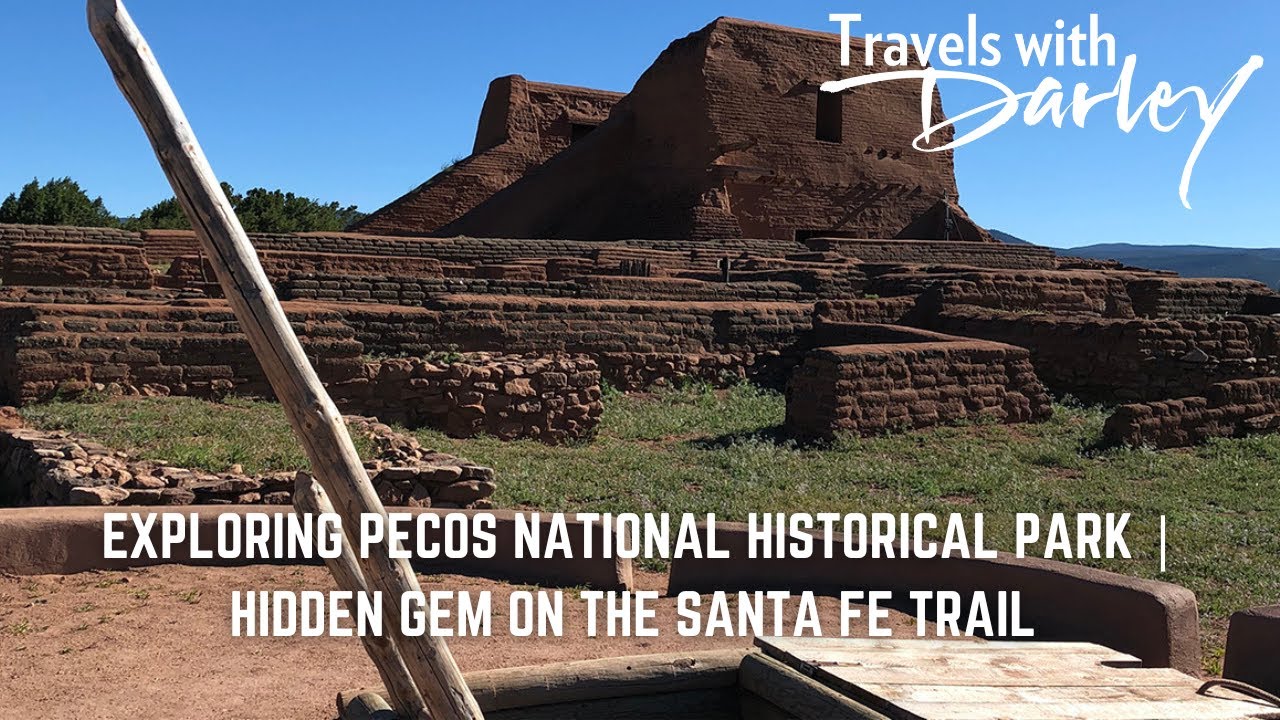
Pecos National Historical Park: Just outside Santa Fe, this park features the ruins of an ancient Pueblo village alongside a 17th-century Spanish mission church, right on an old Santa Fe Trail trade route. It brilliantly illustrates the centuries of history that predated 1776.

(Image credit: Getty Images)
Taos Pueblo: Take a day trip to a living Native American community that has been inhabited for over 1,000 years. Located at the base of the beautiful Sangre de Cristo Mountain range, this National Historic Landmark is open on weekends only from 9 am to 4 pm. If you’ve got an American Girl Doll fan, you can visit the Hacienda de los Martinez, which was the inspiration for the doll Josefina Montoya’s home. It’s a seven-minute drive from downtown Taos.
- Summer bonus: Santa Fe Indian Market & alpine hikes. While lower elevations are hot, Santa Fe and Taos are at high altitudes and stay quite comfortable. (For those who might be sensitive to altitude, keep in mind that you may need time to acclimate.) August brings the world-famous Santa Fe Indian Market, a celebration of Native American art, music and food. You can also take the chairlift up Taos Ski Valley for high-alpine summer hiking.
- Fall bonus: The balloon fiesta & roasting chiles. Early October features the Albuquerque International Balloon Fiesta, when hundreds of hot-air balloons fill the sky at dawn. The smell of autumn, and the official “state aroma”, in New Mexico is the aroma of fresh green chiles being roasted in giant tumbling drums on every street corner.
The Midwest: innovation, labor & The Great Migration (Illinois & Indiana)

(Image credit: Getty Images)
The trip through the Midwest tells the story of how America transformed from an agrarian society into an industrial superpower. Taking a road trip through Illinois and Indiana reveals the grit, innovation and diverse voices that built modern America.
The route: Chicago (Pullman) to Indiana Dunes to Fountain City (Coffin House) to Indianapolis
The Pullman Centennial: Visit the Pullman National Historical Park, a preserved 1880s company town that highlights the American labor movement and the pivotal role of the African American Pullman Porters.

(Image credit: Getty Images)
Indiana Dunes National Park: Just across the state line, hike towering sand dunes framed by brilliant oak trees, celebrating America’s conservation and National Park legacy. As part of their “The 1966 Hiking Challenge,” the park is offering 19 weekly ranger-led hikes every Saturday at 8:00 am through August.
The Indiana State Museum (Indianapolis): They are hosting dedicated America 250 programming, including exhibits on the Underground Railroad in the Midwest, showcasing the region’s commitment to freedom and human rights.
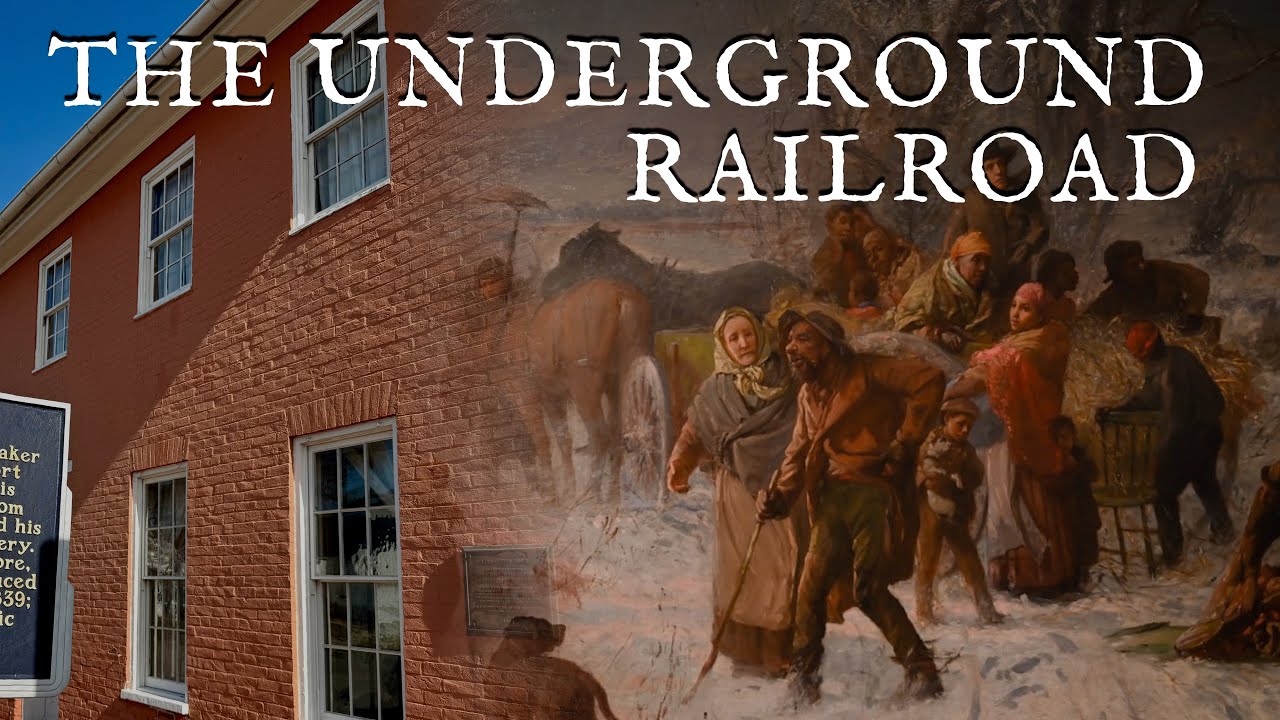
The “Grand Central Station” legacy: This unassuming brick house in Fountain City, Indiana, is where Levi and Catharine Coffin helped more than 1,000 freedom-seekers escape to safety. It’s arguably the most successful “station” on the entire Underground Railroad.
They have an interactive visitor center next to the historic home that does a fantastic job of translating this heavy history into digestible, moving stories for children. You can tour the home and see the internal hiding places, including a hidden upstairs closet where entire families were concealed behind furniture, and a basement kitchen built with a secret indoor well so neighbors wouldn’t see the Coffins hauling extra water for guests.
- Summer bonus: Lake Michigan beach days. This history trip can turn into a legitimate beach vacation. Indiana Dunes National Park features miles of sandy beaches and warm lake water that feels like the ocean without the salt. In Chicago, you can take a boat cruise down the river to stay cool.
- Fall bonus: Apple orchards & haunted trails. The drive from the Indiana Dunes down to the Coffin House takes you right through Indiana’s agricultural heartland. Stop at Huber’s Orchard or Tuttle Orchards for fresh apple cider slushies, pumpkin picking and corn mazes. Additionally, Indianapolis hosts fantastic historic autumn ghost tours that weave local history with spooky seasonal fun (best for older kids or teens).

(Image credit: Getty Images)
