


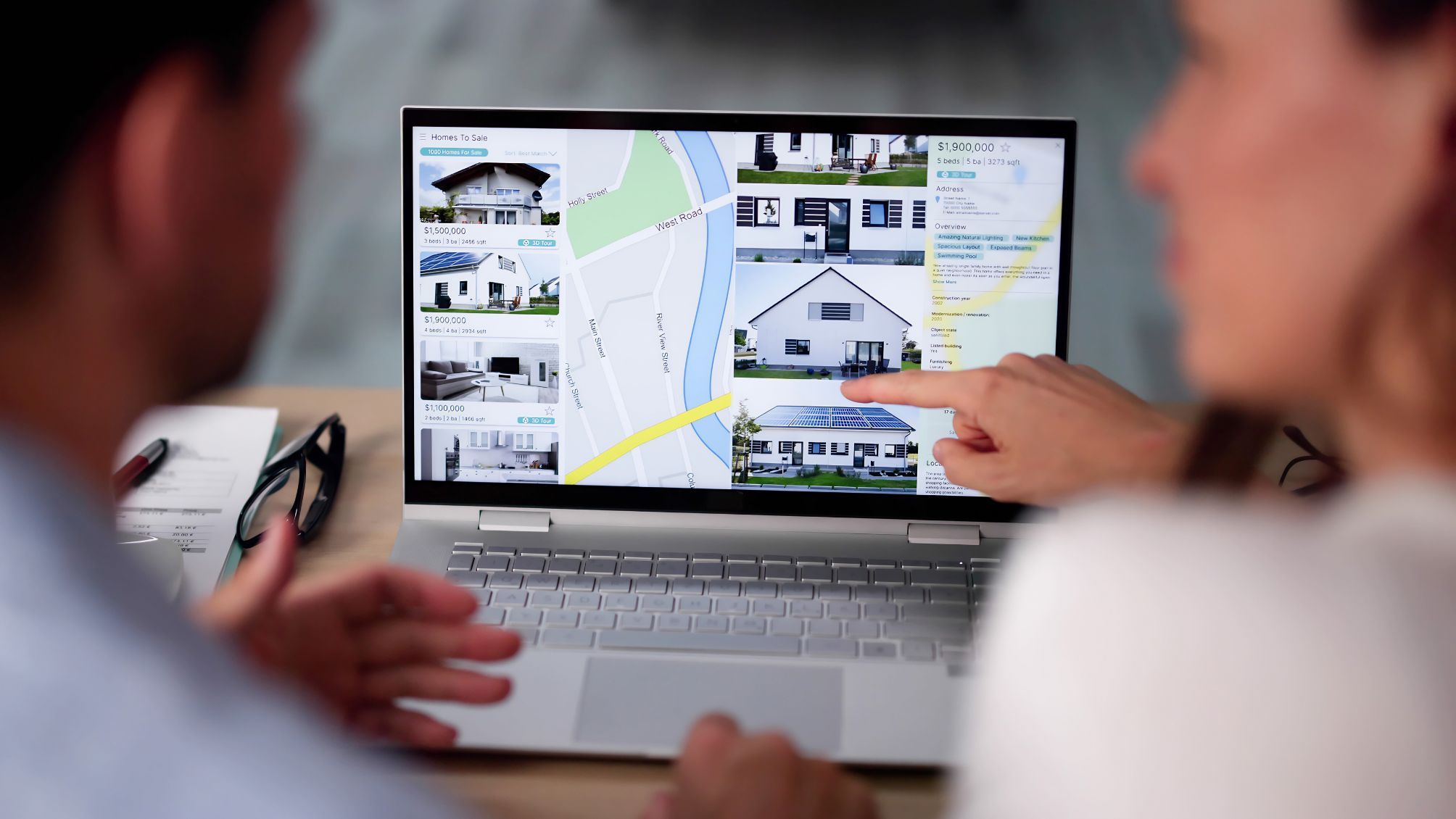
Mortgage rates have settled into a holding pattern, giving homebuyers a clearer picture of borrowing costs even if financing remains expensive. The average 30-year fixed mortgage rate was 6.49% for the week ending June 25, according to Freddie Mac, and has hovered around the mid-6% range for the past six weeks. While that’s lower than the 6.77% average a year ago, it hasn’t been enough to reignite home sales.
At the same time, housing inventory is improving in many markets, sellers are becoming more willing to negotiate, and the national median listing price has declined year over year while inventory has climbed to a two-year high, according to Realtor.com. Yet despite more choices and relatively steady mortgage rates, many buyers remain on the sidelines.
That’s because today’s affordability challenge extends well beyond the interest rate. Homeowners insurance, property taxes, utilities, HOA fees and maintenance costs have all climbed sharply in recent years, making the true cost of homeownership much higher than the monthly mortgage payment alone.
Sign up for Kiplinger’s Free Newsletters
Profit and prosper with the best of expert advice on investing, taxes, retirement, personal finance and more – straight to your e-mail.
Profit and prosper with the best of expert advice – straight to your e-mail.
Mortgage rates are only part of the affordability equation

(Image credit: Getty Images)
For the past several years, mortgage interest rates have dominated conversations about housing affordability. And for good reason.
Even a one-percentage-point change in mortgage rates can significantly affect a monthly payment. But many prospective buyers are discovering that lower rates don’t automatically make homeownership affordable.
While rates have eased somewhat, home prices remain elevated in many markets, and other ownership costs continue to climb. Mortgage interest rates may influence whether someone can qualify for a loan, but taxes, insurance, utilities and maintenance costs determine whether they can comfortably afford the home after closing.
The monthly mortgage payment is only one line item in a much larger budget.
Home insurance costs are rising across the country
One of the fastest-growing housing expenses is homeowners insurance.
Insurance premiums have increased in many states over the past few years due to higher rebuilding costs, more frequent severe weather events and increased claims activity. Some insurers have reduced coverage in high-risk regions altogether, limiting competition and pushing premiums higher.
States prone to hurricanes, wildfires, tornadoes and flooding have experienced some of the steepest premium increases, but rising insurance costs are no longer confined to high-risk regions. According to LendingTree, homeowners insurance rates nationwide climbed nearly 47% between 2020 and 2025, adding hundreds of dollars or more to many homeowners’ annual housing costs.
A property that seems affordable based on the mortgage payment alone may carry insurance costs hundreds of dollars higher per month than expected. And unlike a fixed-rate mortgage, insurance premiums can continue rising year after year.
Use the tool below, powered by Bankrate, to compare some of today’s top home insurance offers and save:
Property taxes, HOA fees and utilities add up
Property taxes are another major expense many buyers underestimate. Tax bills vary widely by state, county and municipality, so two similarly priced homes can come with dramatically different annual property taxes. In many areas, rising home values can also trigger higher assessments over time, increasing tax bills even if your mortgage payment stays the same.
Homeowner association (HOA) fees can further increase monthly housing costs. Many condominiums, townhomes and planned communities charge monthly dues that range from $200 to $300 for single-family homes, according to RubyHome, though fees can be significantly higher in some communities. HOA fees have become a growing consideration for buyers, as 67% of newly completed homes in 2024 were part of an HOA. Some associations also levy special assessments to pay for major repairs or capital improvements.
Utility costs are another expense that can strain a household budget. As electricity, water and natural gas prices continue to rise in many parts of the country, monthly utility bills can add up quickly. When combined with property taxes, insurance, and HOA fees, these ongoing expenses can add hundreds or even thousands of dollars each year to the true cost of homeownership.
The real cost of owning a home

(Image credit: Getty Images)
Many buyers focus on the principal and interest payment when estimating affordability.
But a more realistic housing budget includes:
- Principal and interest
- Property taxes
- Homeowners insurance
- HOA fees
- Utilities
- Maintenance and repairs
- Landscaping and lawn care
- Emergency home expenses
Consider a $400,000 home purchased with a 10% down payment and a 6.5% mortgage rate. While the monthly principal and interest payment would be about $2,275 (based on a $360,000 loan), that’s only one part of the cost of homeownership.
Once you factor in property taxes, homeowners insurance, utilities and ongoing maintenance, the true monthly cost can be more than $3,300.
|
Expense |
Monthly estimate |
Notes |
|---|---|---|
|
Principal & interest |
$2,275 |
30-year fixed, 6.5%, 10% down |
|
Property taxes |
$253 |
Varies by location |
|
Homeowners insurance |
$208 |
Based on the national average annual premium of $2,490 |
|
Utilities |
~$300 |
Electricity, water, gas, etc. |
|
Maintenance reserve |
$333 – $667 |
Based on 1% – 2% of home value annually |
|
Estimated monthly housing cost |
$3,369 – $3,703 |
Before HOA fees |
Estimates are for illustrative purposes only and will vary by location.
For many first-time buyers, these ongoing expenses come as a surprise. Financial experts generally recommend setting aside 1% to 2% of a home’s value each year for maintenance and repairs.
On a $400,000 home, that’s about $4,000 to $8,000 annually, or roughly $333 to $667 per month.
Why many buyers are still priced out

(Image credit: Getty Images)
Mortgage rates are only one reason housing affordability remains strained. Home prices are still significantly higher than they were before the pandemic, even as appreciation has slowed in some markets. According to Zillow, U.S. home values have increased 45.3% since February 2020, meaning roughly 11 years of typical home-price growth occurred in just five years.
Meanwhile, wage growth has struggled to keep pace with the combined increases in housing costs.
Many buyers who can technically qualify for a mortgage are finding it difficult to comfortably absorb higher insurance premiums, taxes and maintenance costs alongside everyday expenses like groceries, healthcare and transportation.
That’s one reason inventory is growing in many areas while sales remain relatively slow. Buyers may have more options to choose from, but affordability remains a challenge.
How buyers can lower their housing costs
While buyers can’t control mortgage interest rates or home prices, they can take steps to reduce the overall cost of homeownership and avoid unpleasant surprises after closing.
Shop for homeowners insurance before making an offer: Insurance costs can vary significantly between carriers and neighborhoods. Comparing quotes early can help buyers identify potential affordability issues before they commit to a property.
Compare property taxes between communities: Two similarly priced homes may come with very different tax bills. Looking beyond the purchase price and comparing local tax rates can reveal long-term savings.
Factor HOA fees into affordability calculations: A lower-priced home with high HOA fees may end up costing more than a slightly more expensive home without them.
Consider smaller homes or different neighborhoods: A lower-priced home with high HOA fees may ultimately cost more each month than a slightly more expensive home without them. Be sure to include association fees when evaluating affordability.
Consider smaller homes or different neighborhoods: Expanding your search radius, choosing a smaller home or exploring nearby communities can reduce both upfront costs and ongoing expenses such as taxes, insurance and maintenance.
Build maintenance into the budget: Homeownership comes with ongoing repair and replacement costs. Whether it’s a new water heater, HVAC repair, roof replacement or plumbing issue, unexpected expenses are inevitable. Setting aside money in a dedicated home maintenance fund can help you cover these costs without relying on credit cards or dipping into your emergency savings.
Affordability doesn’t end at closing
It’s easy to focus on mortgage rates when you’re thinking about buying a home, but they’re only one piece of the affordability puzzle. Homeowners insurance, property taxes, utilities, maintenance costs and HOA fees can add hundreds or even thousands of dollars to the true monthly cost of ownership.
The good news is that buyers have more options today than they did a year or two ago. Inventory is improving in many markets, and sellers are becoming more willing to negotiate. But before making an offer, it’s important to look beyond the mortgage payment and evaluate all the costs that come with owning a home.
Understanding the full picture can help you choose a home that not only fits your budget today, but remains affordable for years to come.
Use the tool below, powered by Bankrate, to compare some of today’s top mortgage offers:
