



(Image credit: Getty Images)
Most people don’t think about insurance until they have to use it. That’s not a knock — it’s just reality.
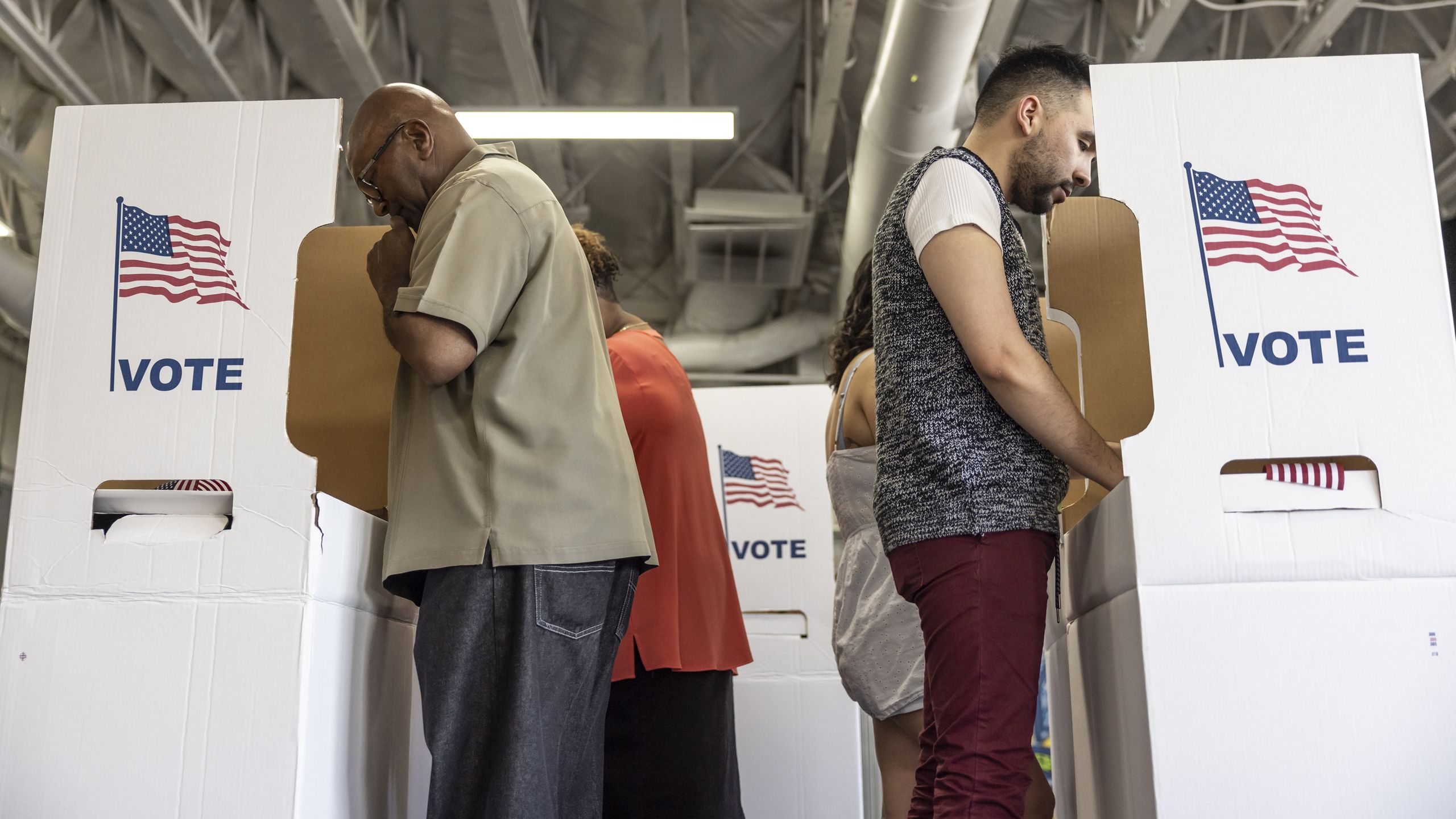
Premiums are something you pay and hope you never need back. But here’s the thing: Someone in your state is deciding how that system works. In 11 states that have elections for the position, you get a vote on who that someone is:
- California
- Delaware
- Georgia
- Kansas
- Louisiana
- Mississippi
- Montana
- North Carolina
- North Dakota
- Oklahoma
- Washington
The insurance commissioner is the single most powerful person in your state when it comes to how insurance works — or doesn’t — for regular people.
Sign up for Kiplinger’s Free Newsletters
Profit and prosper with the best of expert advice on investing, taxes, retirement, personal finance and more – straight to your e-mail.
Profit and prosper with the best of expert advice – straight to your e-mail.
- Premium increases? They sign off on those.
- Carrier exits? They approve or deny them.
- Whether your claim gets paid fairly, or you get five new claims adjusters? That traces back to enforcement decisions made by the commissioner’s office.
In those 11 states, you get to pick who holds the job of insurance commissioner.
This is why it matters
So why does it matter? Let me give you a real example.
After the 2025 fires in Los Angeles, carriers started reassessing their California portfolios.
- Some insurers non-renewed tens of thousands of policies.
- Others made the decision to withdraw from the homeowners market.
- Others adjusted premiums by 30%, 40%, even 50% in a single renewal cycle.
Homeowners who’d been with the same company for 20 years received non-renewal notices with 30 days’ warning. The ones who could find new coverage were paying double what they paid the year before. The ones who couldn’t ended up on the FAIR Plan, which is technically insurance, but barely.
That situation didn’t just happen. Policy decisions over the preceding decade and antiquated state propositions about how much reserves carriers had to hold (in the case of California), whether premium increases needed justification and how quickly non-renewals could proceed shaped the environment.
Every single one of them went through the commissioner’s office. Yes, all of them.
In the states that don’t elect an insurance commissioner, the governor makes an appointment, which means you have indirect input at best — you’re voting for the person who picks the person who picks the regulator.
Which is fine, except when it isn’t.
The difference between a good commissioner and a weak one shows up in whether your premium goes up 8% or 28% at renewal.
It also shows up when an insurance company becomes insolvent because it wasn’t held to the proper standards of financial responsibility.
It shows up in whether the market stays competitive with four or five carriers competing for your business or whether you’re stuck with one option that knows you have no choice.
How to find out what your commissioner has done
Look up who your current commissioner is. Look up what they’ve approved and denied in the last two years. Check whether consumer complaints in your state get resolved or buried.
That information is public, on your state’s Department of Insurance website. You likely can check complaint ratios, premium-approval records, enforcement actions and more.
It takes about 10 minutes to find out whether your commissioner is doing the job you think they should be doing.
Then vote accordingly. Vote smartly.
Want to learn more about insurance? Visit KarlSusman.com.
