



(Image credit: PHOTO BY ALIYAH OTCHERE)
There is more great music being made today than ever before. Yes, we said it. Whatever you may consider the “golden age” — the ’60s, the ’70s, the ’80s, the Jazz Age, the Baroque period, you name it — there is simply a greater quantity of top-flight creativity coming from every continent, every culture, every style, every genre today.
Sorting through it? Well, that’s the problem. You can ask your kids, or ask your grandkids, or let the algorithms do their stuff. But let us give you a hand with our annual “Grandparents’ Guide,” here with three tips on rising stars from across genres to keep you ahead of the curve and in the conversation, not to mention immersed in some great music.
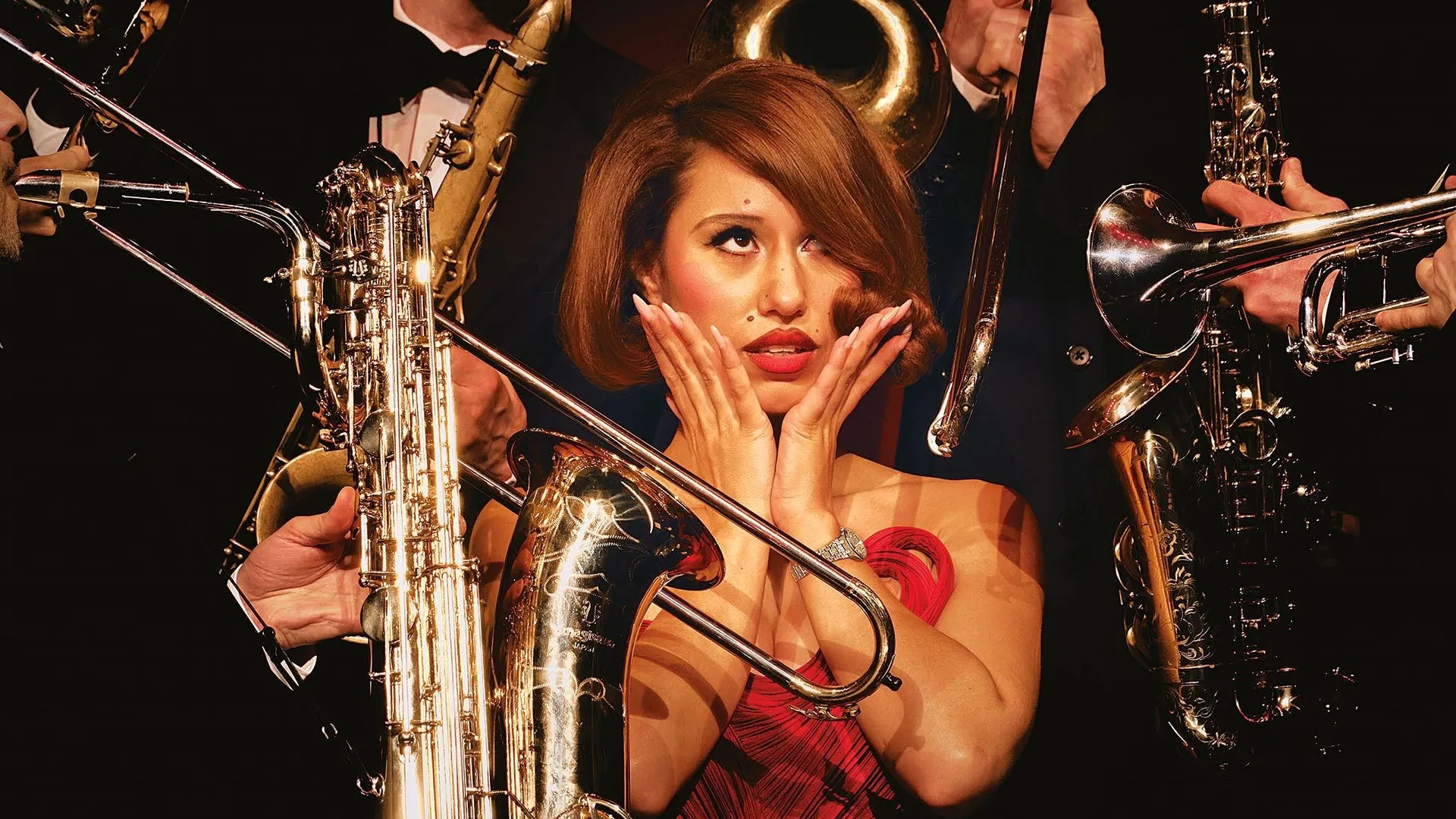
If you liked Amy Winehouse… try Raye
Looking for new music that you didn’t know you needed? Here’s This Music May Contain Hope, the new album by London-born singer Rachel Agatha Keen, known professionally as Raye. It’s right there in the title.
Sign up for Kiplinger’s Free Newsletters
Profit and prosper with the best of expert advice on investing, taxes, retirement, personal finance and more – straight to your e-mail.
Profit and prosper with the best of expert advice – straight to your e-mail.
It’s the message carried in Raye’s recent rocket to international stardom, fueled by her heady mix of big-band extravaganzas (“Where Is My Husband”) and clubby pop (“Escapism”), all wrapped in a personal story that’s wholesome and bold.
Think Amy Winehouse (without the self-destructive darkness) or Lady Gaga (without the meat suit), though there’s a lineage stretching back to, oh, Julie London, showcased in a dazzling “Cry Me a River” that Raye performed at the British Fashion Awards show in December at Royal Albert Hall.
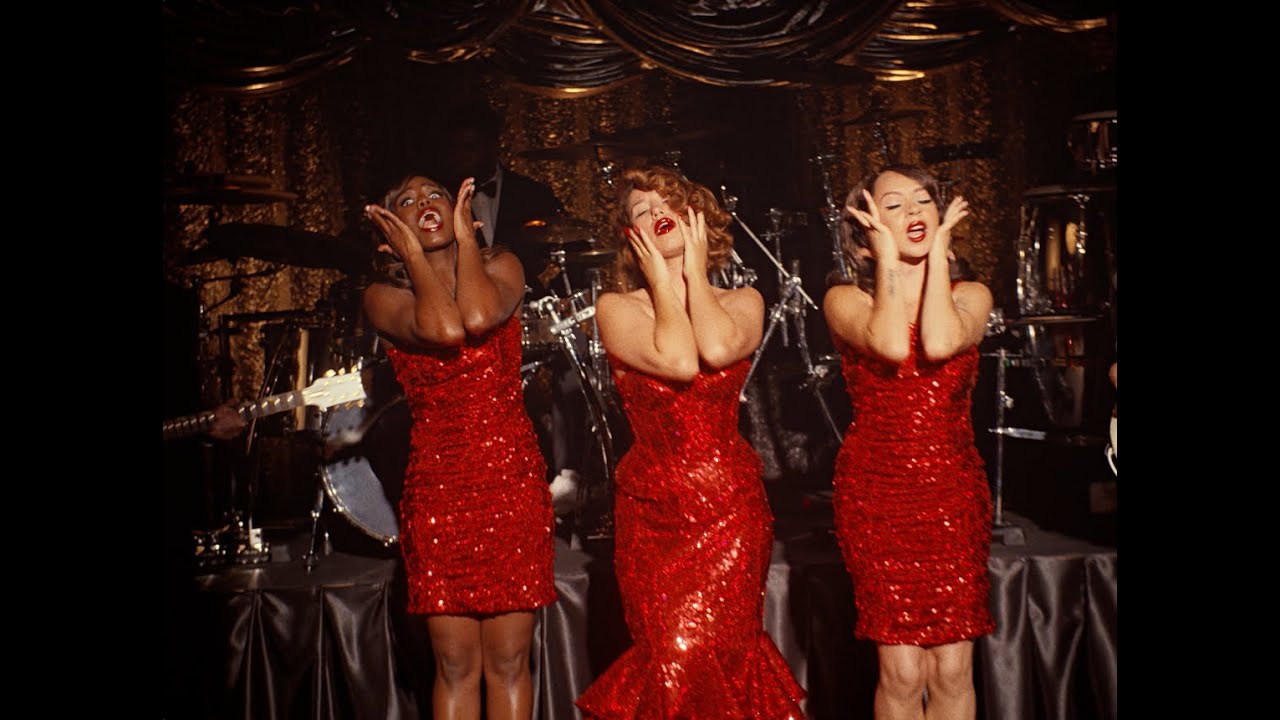
Coming from a musical family, Raye started releasing her own recordings in her teens, even collaborating with Charli XCX and other current “name” artists. But it was her 2023 debut album, My 21st Century Blues, when she was 24, that launched her rise to the top, winning British Album of the Year in the 2024 Brit Awards and gaining a Mercury Prize nomination.
Just this year, the album’s song, “Ice Cream Man,” addressing the issues of sexual violence, was named the Recording Academy’s Harry Belafonte Best Song for Social Change. That focus on matters of import and substance continues on the new album (again, see title), with ambitiously varied music to match.
She also shows off her Broadway-ready theatrical flair and personality. Starting with a short, dramatically spoken prelude, “Girl Under a Gray Cloud,” the album finds her running through life’s storms with determination (“I Will Overcome”) and wit (the snarky “Beware… The South London Lover Boy,” the bopping “I Hate the Way I Look Today”), some cool guests (Al Green, yes that Al Green, on “Goodbye Henry,” film composer Hans Zimmer on “Click Clack Symphony”).
In the end she finds “Joy” (featuring two of her sisters) and sets out for “Happier Times Ahead,” where Hope, indeed, blooms. See? Just what you needed.
If you liked Radiohead… try Geese
The quintet’s appearance in January on Saturday Night Live stirred a good deal of debate. Is this the new great hope for creative art-rock? Or too pretentious and precious? Formed in high school in Brooklyn, Geese centers on singer Cameron Winters’ detached cool/utter anguish dichotomy and guitarist Emily Green’s brittle sting in songs of shifting textures and tones, though discomforting is pretty much the default setting.
“Trinidad,” the opening song on last year’s Getting Killed album (and one of the two played on SNL), flips from stark dread to sheer terror in an instant — “There’s a bomb in my car,” Winter screams.
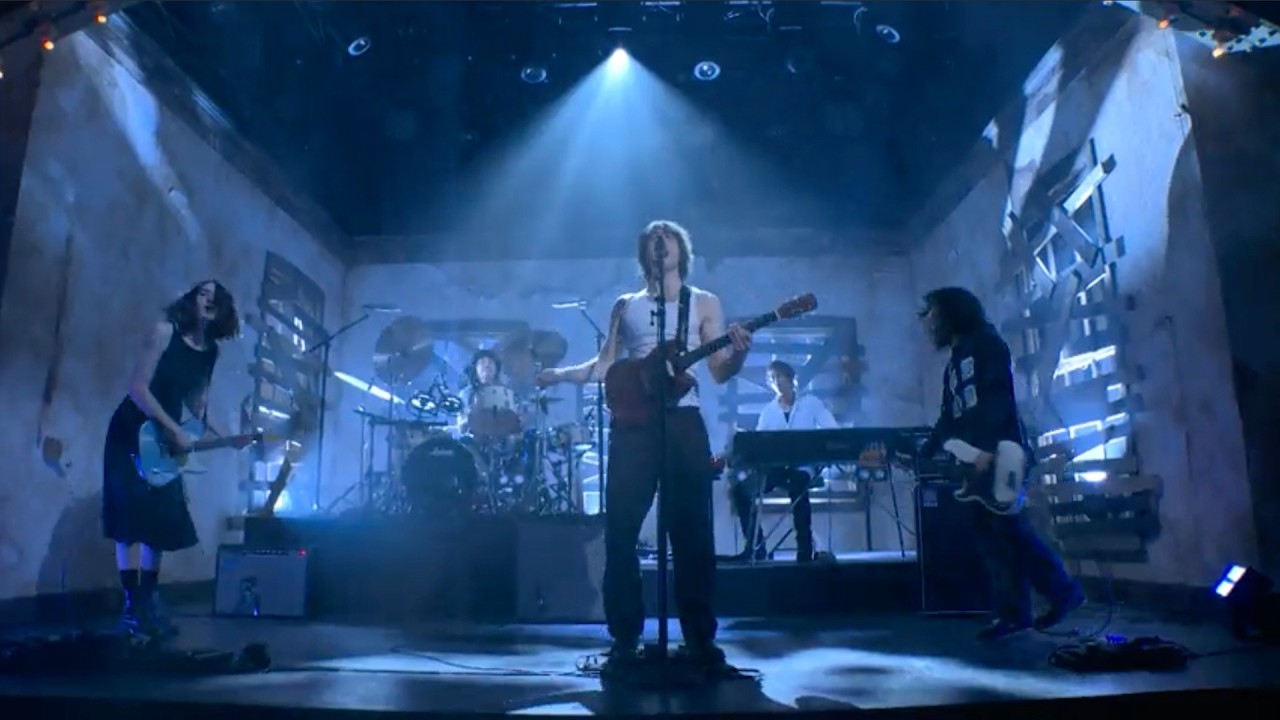
The churning “100 Horses” (“all people must go dancing, there is only dance music in the time of war”) has Jim Morrison/Patti Smith echoes in the imagery and in Winter’s tone. “Half Real” has some U2 in its recipe, though it’s hard to imagine Bono wishing for a lobotomy and declaring “I have no more thinking to do.” And then in “Au Pays du Cocaine,” Winter pleads, “You can change … you can be free … just come home, please!”
Radiohead, which also blends coolness and mania, is perhaps the most ready comparison, though through them we can look back to some classic progressive rock a la King Crimson, some Genesis/Peter Gabriel, even Led Zeppelin (though something of a stretch to say they “sound” like those). In concert they’ve shown their reach with covers of everything from the Beatles to Talking Heads to Television to Leonard Cohen.
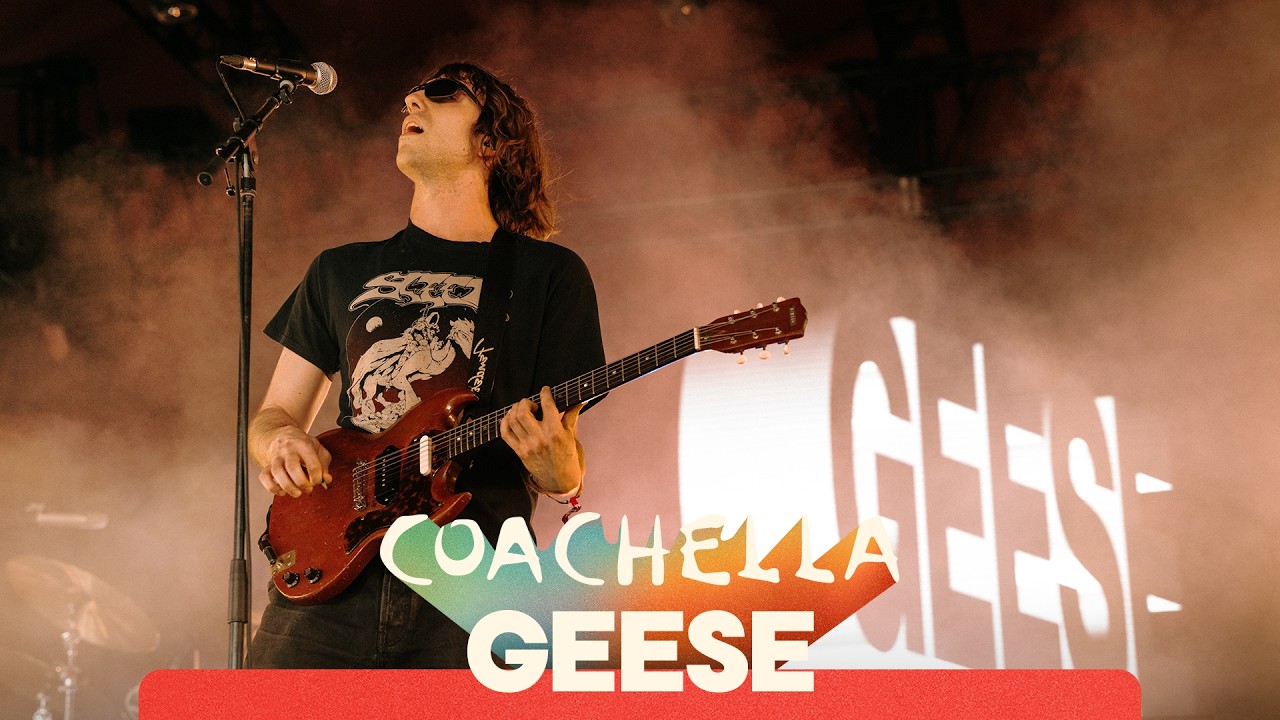
And an explosive, triumphant Coachella appearance in April demonstrated that Geese will certainly be among the most talked-about rock bands of the coming years. (But nota bene: If you want to seem up with things, don’t commit the fowl of confusing Geese with the jam band Goose.)
If you liked Miles Davis… try Dave Adewumi
The Flame Beneath the Silence, the New York-based trumpeter Dave Adewumi’s debut album, took a while coming, with the pandemic stalling a lot of his plans. But it’s a stunner, bristling with talent and imagination, and benefiting from the growth and experience he’s had playing with some of jazz’s top creative figures.
Three of them accompany him here on this vibrant in-concert recording: vibraphonist Joel Ross, bassist Linda May Han Oh and drummer Marcus Gilmore, an all-star ensemble of spectacular musicians complementing and enhancing Adewumi’s sparkling playing.

Straddling post-bebop exploration and lyrical classicism, this album announces Adewumi as one to watch in the very rich generation of newer jazz artists — sax players Immanuel Wilkins, Melissa Aldana, Lakecia Benjamin and vocalist Samara Joy among them — showing the form to be vibrant and thriving. He’s also in demand as a sideman himself, including a spot in guitarist Mary Halvorson’s bracing quartet Canis Major.
The title piece of Adewumi’s album introduces his mastery of tone, sometimes pure and resonant, sometimes crisp, sometimes a guttural growl, giving a conversational sense to his lines as he banters with the other musicians. “Is” builds on a Morse-like pulse from Ross’ before taking on an Iberian mode, evoking Miles Davis’ “Flamenco Sketches,” though overall this ensemble calls to mind Davis’ classic ’60s groups, which transformed the language of jazz with such forward-looking works as “Seven Steps to Heaven” and “Filles de Kilimanjaro.” And in some places Adewumi luxuriates in long, drawn-out notes, a Davis trademark.
But he’s no Miles clone. There’s a distinctiveness to his approach and composition, sometimes taking on a chamber-music structure, as in “Abandon” and the brief, impressionistic “Pensive,” which with Ross’ presence might bring some to think of the Modern Jazz Quartet or vibes great Bobby Hutcherson.
It’s hardly all serious, though. You can hear how much fun he and his mates are having. And there’s the longest piece on the album, a 10-minute climb from primordial improvisation to galactic frenzy in which everyone shines, everyone grabs the moment. The title? “If I Need to Do This Again I’m Going to Throw a Fit.” Kinda want to take him up on that dare.
You can find a playlist based on this article here.
Note: This item first appeared in Kiplinger Retirement Report, our popular monthly periodical that covers key concerns of affluent older Americans who are retired or preparing for retirement. Subscribe for retirement advice that’s right on the money.
