


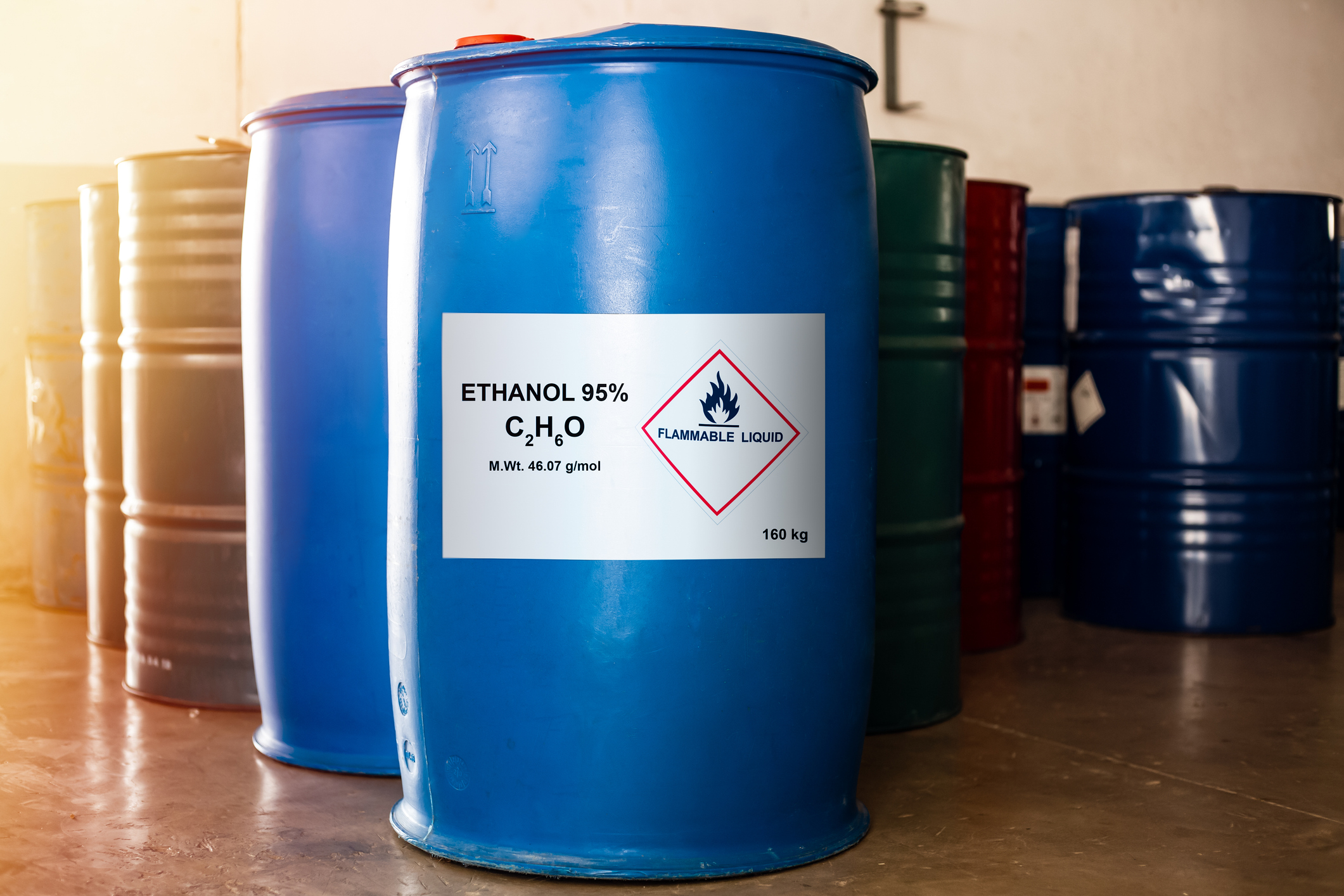
(Oil & Gas 360) By Greg Barnett, MBA – Ethanol has been embedded in U.S. fuel policy for more than a century, with modern support accelerating after the 1970s oil shocks and becoming structurally fixed through the Renewable Fuel Standard (RFS) enacted in 2005 and expanded in 2007.

The stated objectives have remained consistent: improve energy security, reduce emissions, and support rural economies. This assessment evaluates whether those objectives were achieved using measurable outcomes—energy content, fuel economy, petroleum displacement, land use, water consumption, and cost—rather than policy intent.
Energy Content and Fuel Economy
The thermodynamic properties of ethanol are unambiguous. On a lower‑heating‑value basis, ethanol contains approximately 76,000 BTU per gallon, compared with ~114,000 BTU per gallon for petroleum gasoline, a deficit of roughly 33%. When ethanol is blended into gasoline, this lower energy density translates directly into reduced fuel economy on a volumetric basis.
Empirical testing and DOE/EPA data consistently show that E10 reduces fuel economy by approximately 2–4%, E15 by roughly 4–6%, and E85 by 15–27%, depending on vehicle calibration and operating conditions. These impacts are observed under real‑world driving and reflected in EPA fuel‑economy calculations. Ethanol blending therefore reduces miles per gallon, regardless of per‑gallon pump pricing.
Petroleum Displacement
Ethanol volumes appear substantial in headline terms, but energy‑equivalent displacement is materially smaller. The United States blends approximately 14–15 billion gallons of ethanol per year, accounting for roughly 10–11% of gasoline volume. Adjusted for energy content, that volume represents only ~7% of delivered gasoline energy.
This outcome persists despite ethanol consuming approximately 40% of total U.S. corn production. The gap between agricultural input share and transportation energy output reflects ethanol’s lower energy density and process losses and has remained stable for more than a decade, indicating a structural limit rather than a transitional phase.
Fleet Efficiency Outcomes
Improvements in U.S. vehicle fleet fuel economy since the early 2000s are attributable primarily to engine efficiency gains, improved transmissions, aerodynamics, hybridization, and regulatory fuel‑economy standards. EPA and DOE analyses treat ethanol blending as a fuel‑supply variable rather than an efficiency driver.
Once regulatory and technological improvements are controlled for, no statistical relationship exists between ethanol blending mandates and improvements in fleet‑wide MPG. Ethanol volumes increased over time, but per‑mile energy consumption declined due to vehicle technology evolution, not fuel composition.
Land Use and Agricultural Effects
Where ethanol policy has produced the most pronounced and durable outcomes is agriculture. Peer‑reviewed spatial analyses of the RFS indicate that mandated ethanol demand increased total U.S. corn acreage by approximately 9–10%, increased corn monoculture by ~17%, and contributed to expansion of corn cultivation into marginal lands, particularly along the periphery of the traditional Corn Belt.
These changes are directly linked to guaranteed demand volumes under the RFS rather than commodity price signals alone. In practice, ethanol policy functions as a demand‑side stabilizer for corn prices, farmland values, and associated agricultural rents.
Water Consumption
Water use in corn‑based ethanol production is large, quantifiable, and geographically concentrated. Lifecycle assessments using USDA, USGS, and GREET‑based methodologies consistently find that producing one gallon of corn ethanol requires approximately 900–1,000 gallons of water when irrigation, precipitation‑displaced irrigation, fertilizer production, and upstream agricultural inputs are included.
Industry‑quoted figures of 3–5 gallons of water per gallon of ethanol refer only to direct biorefinery process water and exclude corn cultivation, which accounts for the overwhelming majority of water consumption. In regions where irrigated corn is used—notably parts of Nebraska, Kansas, and eastern Colorado—total water intensity increases materially, with basin‑level estimates exceeding 1,200 gallons of water per gallon of ethanol in dry years.
By contrast, petroleum gasoline refining typically consumes single‑digit gallons of water per gallon of finished fuel. On a per‑unit‑energy basis, corn ethanol therefore ranks among the most water‑intensive transportation fuels in commercial use in the United States. These water demands are concentrated in regions already experiencing aquifer depletion and surface‑water stress, making national averages insufficient for basin‑level analysis.
Fiscal and Consumer Cost
Federal support for corn ethanol has included excise‑tax exemptions, production tax credits, blending mandates, infrastructure subsidies, tariff protection (historically), and more recent clean‑fuel credits. Cumulative federal support since the late 1970s totals tens of billions of dollars, depending on accounting framework. While some explicit subsidies have expired, implicit support persists through mandated consumption and compliance credit markets.
For consumers, the relevant metric is cost per mile rather than cost per gallon. Energy‑content‑adjusted analysis shows that at a $4.00 per gallon gasoline price, E15 must be discounted by approximately 7 cents per gallon relative to E10 to achieve parity on a cost‑per‑mile basis. That pricing condition is not consistently realized across regions.
Measured Outcome
Measured strictly by quantitative outcomes rather than intent, U.S. ethanol policy delivered durable benefits to agricultural producers, modest petroleum displacement, and no improvement in per‑mile transportation efficiency. Its water intensity, land‑use footprint, and reliance on mandated demand distinguish corn‑based ethanol as a mature policy instrument with limited energy‑system leverage at current scale.
By oilandgas360.com contributor Greg Barnett, MBA.
The views expressed in this article are solely those of the author and do not necessarily reflect the opinions of Oil & Gas 360. Please consult with a professional before making any decisions based on the information provided here. Please conduct your own research before making any investment decisions.
About Oil & Gas 360
Oil & Gas 360 is an energy-focused news and market intelligence platform delivering analysis, industry developments, and capital markets coverage across the global oil and gas sector. The publication provides timely insight for executives, investors, and energy professionals.
