


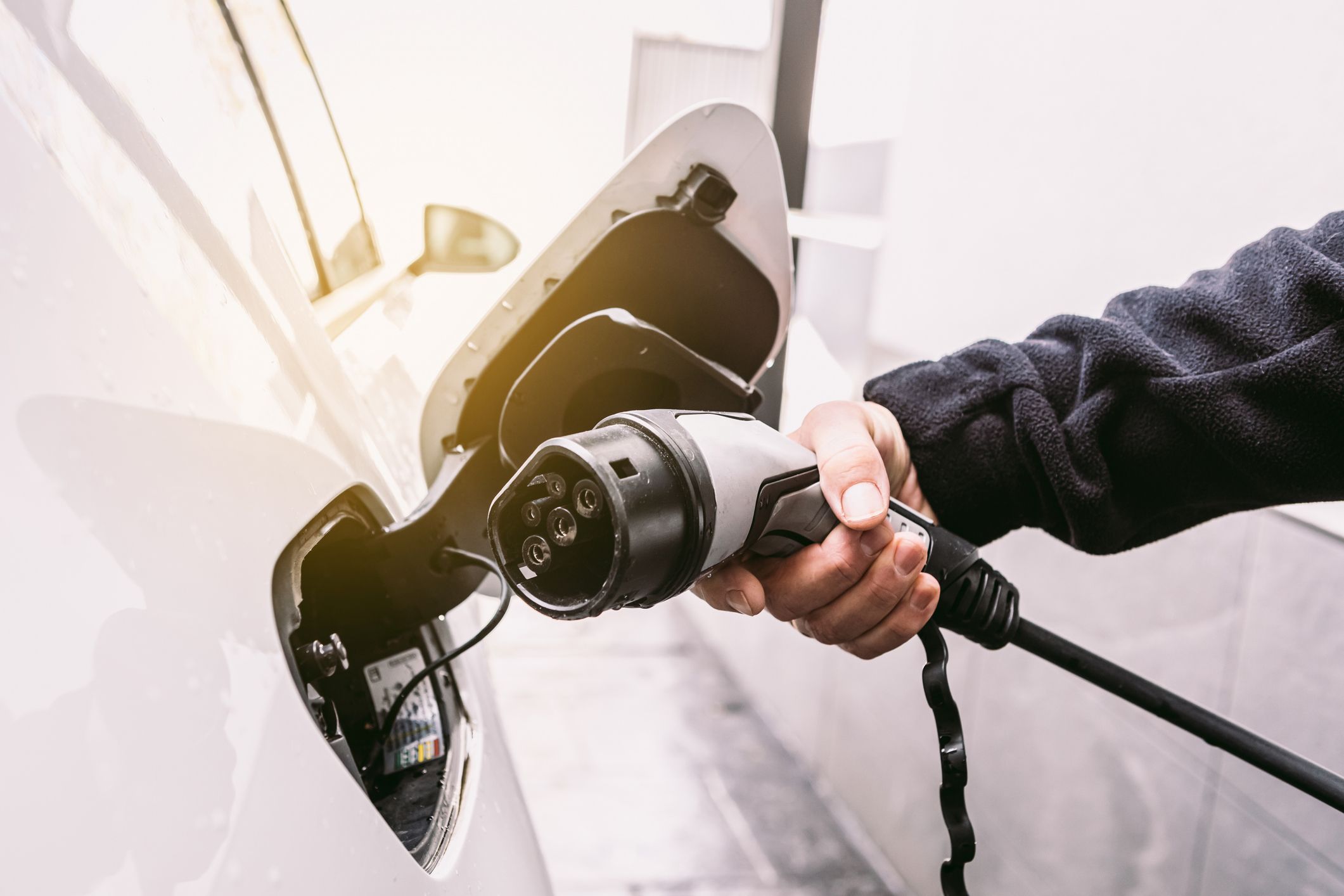

(Image credit: Getty Images)
If you own an electric vehicle, time is running out to take advantage of the EV charger tax credit. The Alternative Fuel Vehicle Refueling Property Credit covers up to 30% of the cost of a home EV charging station, including eligible hardware and installation expenses, up to $1,000.
The credit was originally extended through December 31, 2032. However, the GOP’s “Big Beautiful Bill” eliminated the tax credit, and it is now set to expire on June 30, 2026.
If you’ve been considering installing a home charging station, you may want to act soon to take advantage of the credit before it disappears.
Where you install the charger matters
To qualify for the credit, the IRS requires you to install the charger in a home in an eligible low-income community census tract, or a non-urban census tract. According to the IRS, about two-thirds of Americans live in census tracts eligible for the credit.
A census tract is a small geographic region or neighborhood as defined by the U.S. Census Bureau. Census tracts allow the government to collect and organize data about these specific areas.
To determine if you live in a tract that’s eligible for the tax credit, use the U.S. Department of Energy 30C Tax Credit Eligibility Locator. This locator allows you to look up your address, and it identifies whether your home is in an eligible tract.
Not every home will qualify for the credit. If you have a second home, the charger must be installed at your primary residence to qualify for the credit.
What types of EV chargers qualify
The EV charger tax credit applies to Level 1 and Level 2 chargers; the chargers must be new.
Level 1 chargers use standard 120V outlets and can be used for lighter charging needs, but most homeowners install Level 2 chargers, which are faster and can fully charge typical electric vehicles overnight.
When shopping for an EV charger, consider how you tend to use your vehicle, your typical charging needs, and the types of features that you may want.
For example, smart scheduling can charge your vehicle during off-peak times when energy rates are lower, and smart chargers can provide detailed summaries of energy usage and can send you notifications to remind you to charge your car.
Both the hardware and the installation may count toward the tax credit.
Below are a few top-rated Level 2 EV chargers we found:
Image 1 of 3


Do you need an electrician?
Many Level 2 chargers require professional installation. Depending on the location of the charger and the capacity of your electrical panel, an electrician may need to upgrade the panel to handle the additional electrical load.
The installation will typically require an electrical permit, which a licensed electrician can usually obtain on your behalf. If you live in a homeowners association (HOA), you may also need approval before installing a charger.
Installing a charger can become more complicated if you rent your home or live in a condo. In these situations, you may need approval from a landlord, property owner or condo board. You may also have to follow building rules or bylaws that could affect where the charger can be installed or what type of charger you can use.
What records should you keep for the tax credit?
It’s essential to carefully organize and keep records of the charger installation for the tax credit. As you move through the process, be sure to retain the following:
- Receipts: Keep receipts for the charger, related equipment and installation costs.
- Permits: Save all permit paperwork, including the signed permit card showing the installation passed inspection.
- Electrician invoices: Retain all invoices from your electrician, including charges for permits, panel upgrades and installation work.
- Proof of payment: Keep proof of payment for all expenses, such as credit card statements, receipts or canceled checks.
- IRS Form 8911: You’ll use IRS Form 8911 to claim the tax credit when you file your taxes. Be sure to keep an extra copy of the form for your records.
Is it worth rushing before the deadline?
Installing an EV charger is a significant project, so it’s important to research your options and choose a charger that fits your needs.
That said, the tax credit could provide meaningful savings. Most home chargers cost between $500 and $900, while installation can range from about $1,000 to $3,000 depending on the complexity of the project and the condition of your existing electrical panel.
For example, if your total project cost came to $2,800, you could potentially receive an $840 tax credit. If you were already planning to install a charger, it may be worth completing the project before the June 30 deadline.
To meet that deadline, though, you’ll likely need to move quickly, especially if permits are required.
Start contacting electricians now to check their availability and ask whether they believe the installation can realistically be completed in time. To qualify for the EV charger tax credit, the installation must be fully completed by June 30.
