


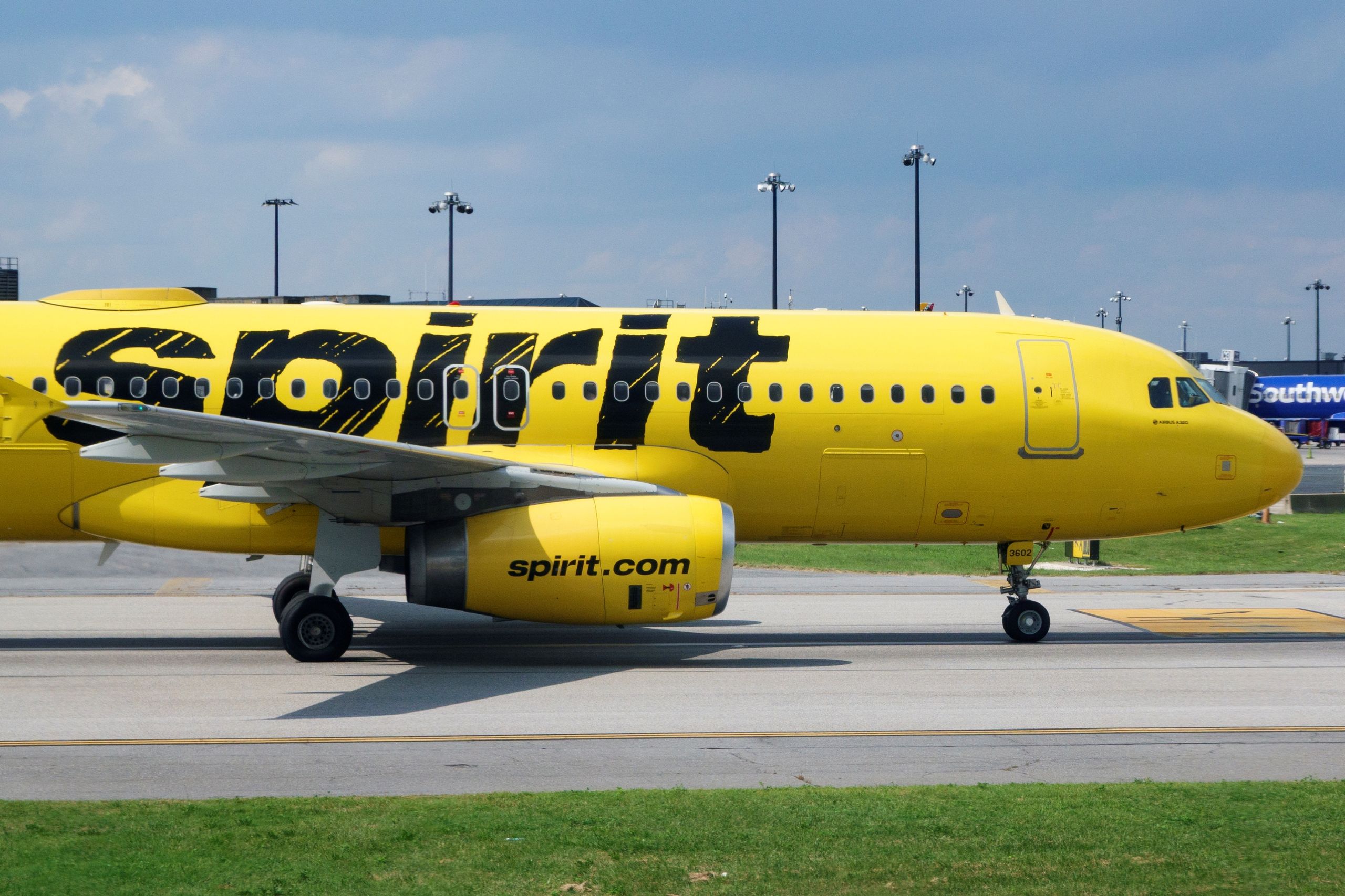
(Image credit: Kevin Carter / Contributor)
When Spirit Airlines declared bankruptcy in August of last year, travelers already began to suspect that the budget carrier might not be long for this world. After a prolonged restructuring process and a failed attempt at securing a $500 million government bailout, Spirit Airlines officially announced that it would cease operations altogether on May 2.
The news has been met with conflicting reactions among flyers. The airline didn’t exactly have a stellar reputation for customer service. The unbundled fares often left passengers feeling like the low prices were a bait and switch as they ended up paying more by the time they add in seat fees, carry-on luggage fees, booking fees, boarding pass fees and the list keeps going.
But even if you avoided flying Spirit like the plague, the disappearance of a major budget carrier could still impact your wallet. Here’s a look at the ripple effect the Spirit Airlines shutdown is likely to have on air travel and how your flight booking strategy needs to change in a world with one less budget carrier.
Sign up for Kiplinger’s Free Newsletters
Profit and prosper with the best of expert advice on investing, taxes, retirement, personal finance and more – straight to your e-mail.
Profit and prosper with the best of expert advice – straight to your e-mail.
The ripple effect of the Spirit Airlines shutdown
Even if you’ve never stepped foot on a Spirit airplane, the airline’s existence has probably benefited you indirectly. Before the carrier ceased operations, budget airlines accounted for 14.5% of the U.S. market, according to the Association of Value Airlines (AVA). The group representing budget carriers says that this growing market share has helped put downward pressure on ticket prices over the past decade, falling from an average of $124 for a one-way ticket in 2000 to $54 for a one-way ticket in 2024 (for the lowest cost ticket options).
While the actual price ends up being higher when you factor in all the add-on fees, those dirt cheap prices forced major players like Delta and American Airlines to create basic economy fares to compete with these discount airlines in the mid-2010s.
Those basic economy fares are pretty bare bones, but they’re useful for travelers who want to customize their experience. You can pick and choose your add-ons and upgrades while still flying the airline you prefer.
With the loss of Spirit airlines, that’s one less competitor pushing the price of basic economy fares down. While airlines might not abandon the ticket class altogether, the deals you find there might not be as good as what you’re used to if they’re not competing with a strong discount airline market.
Travelers are already seeing higher flight costs due to rising jet fuel prices
While Spirit Airlines had long been struggling and was already bankrupt before the Iran conflict began, the airline cited the sudden rise in fuel prices in response to rising oil prices as a major reason that it couldn’t move forward with its original restructuring plans.
In its statement announcing the wind-down of operations, the company said, “the recent material increase in oil prices and other pressures on the business have significantly impacted Spirit’s financial outlook.”
The cost of jet fuel has doubled since the war began, jumping from around $100 per barrel in February to over $200 by the end of March, according to the International Air Transport Association (IATA). Though costs were starting to fall in April, they’re ticking back up in May.
For most carriers, the cost of jet fuel alone accounts for up to 30% of the company’s operating costs. So, when fuel prices double, margins get thinner. To compensate, airlines can raise prices or cut capacity (such as dropping less profitable routes or grounding less fuel efficient aircraft).
Delta, for example, said in a recent earnings call that it would cut capacity by 3.5%, primarily by postponing the capacity growth it had planned for the quarter. Delta, United and other major carriers have also hiked baggage fees in an effort to offset rising jet fuel costs. On an earnings call in April, United CEO Scott Kirby said the airline might also hike ticket prices as much as 20%.
With news like that, travelers of all airlines are likely looking at higher travel costs. And one less budget carrier in the mix means there will be less downward pressure to bring these prices back down even after jet fuel costs start falling.
Can other budget carriers keep the price pressure on airfare?
The end of Spirit isn’t the end of affordable airlines just yet. Other budget carriers like Frontier and Allegiant are still flying. But with rising jet fuel costs, how long can they keep prices down?
Last month, the AVA asked for a $2.5 billion relief package to offset the sudden spike in fuel costs. But Transportation Secretary Sean Duffy said he didn’t think it was necessary at a press conference at Newark Liberty International Airport in New Jersey on Saturday.
Without federal relief, budget carriers will likely be forced to either take on debt or turn to the same capacity cuts and price hikes that major carriers are already using. Allegiant, for example, expects to cut capacity by 6.5% to compensate for higher fuel prices.
As of December 2025, Frontier still hadn’t returned to profitability. Passengers may learn more about how the Spirit rival plans to deal with rising costs when it releases its first-quarter financial results tomorrow.
While there aren’t any rumors of other budget carriers closing, travelers should probably brace for higher ticket prices even among the most affordable airlines as we head into a summer of soaring jet fuel prices.
How your travel booking strategy needs to change in 2026
This summer, air travel is going to get more expensive as airlines fly fewer routes and raise prices to offset jet fuel costs. So, if you’ve got any trips planned in the coming months, here are a few ways you can adapt your strategy to keep costs as low as possible:
- Book changeable fares and keep tabs on prices. Aside from basic economy tickets, most fares allow you to make changes for free. So, even if you don’t like the price you see right now, go ahead and book it anyway (while doublechecking that the ticket allows for free changes). This ensures that today’s price is the highest you’ll ever pay, but allows you to keep checking in on prices in the lead up to your actual departure date. When you find a better deal, change your flight and you can pocket the difference.
- Avoid add-on fees. With most airlines raising their baggage fees, now is the time to hone your packing strategy to avoid needing to check a bag. Triple-check the baggage restrictions on your preferred airline to make sure your carry-on and personal item comply. Check for airline credit cards or loyalty programs that come with free checked bags as a perk. Consolidate your belongings into one checked bag if you’re flying with your partner. If you can’t avoid a checked bag fee, look for other fees (like premium seat selection or economy upgrades) that you can skip instead.
- Find your savings elsewhere. If you can’t find airfare prices you like for your next trip, make up the cost difference by saving elsewhere. That might mean smaller tweaks like downgrading the hotel room you planned to book or bigger changes like choosing to visit a cheaper country this summer or shortening the length of your trip.
- Push your trip to the off-season. If you haven’t booked yet, consider postponing your trip until fall or early winter. Off-season pricing tends to be lower for both airfare and hotels so if you have flexibility here, the savings could be huge. If you’re still craving a summer getaway, opt for a domestic destination during the peak season.
