



(Image credit: Getty Images)
Spring often brings a sense of fresh starts, and for some families, that includes moving forward with a separation or divorce. If you’re navigating that transition, it’s easy to focus on the big decisions like housing, custody and dividing assets.
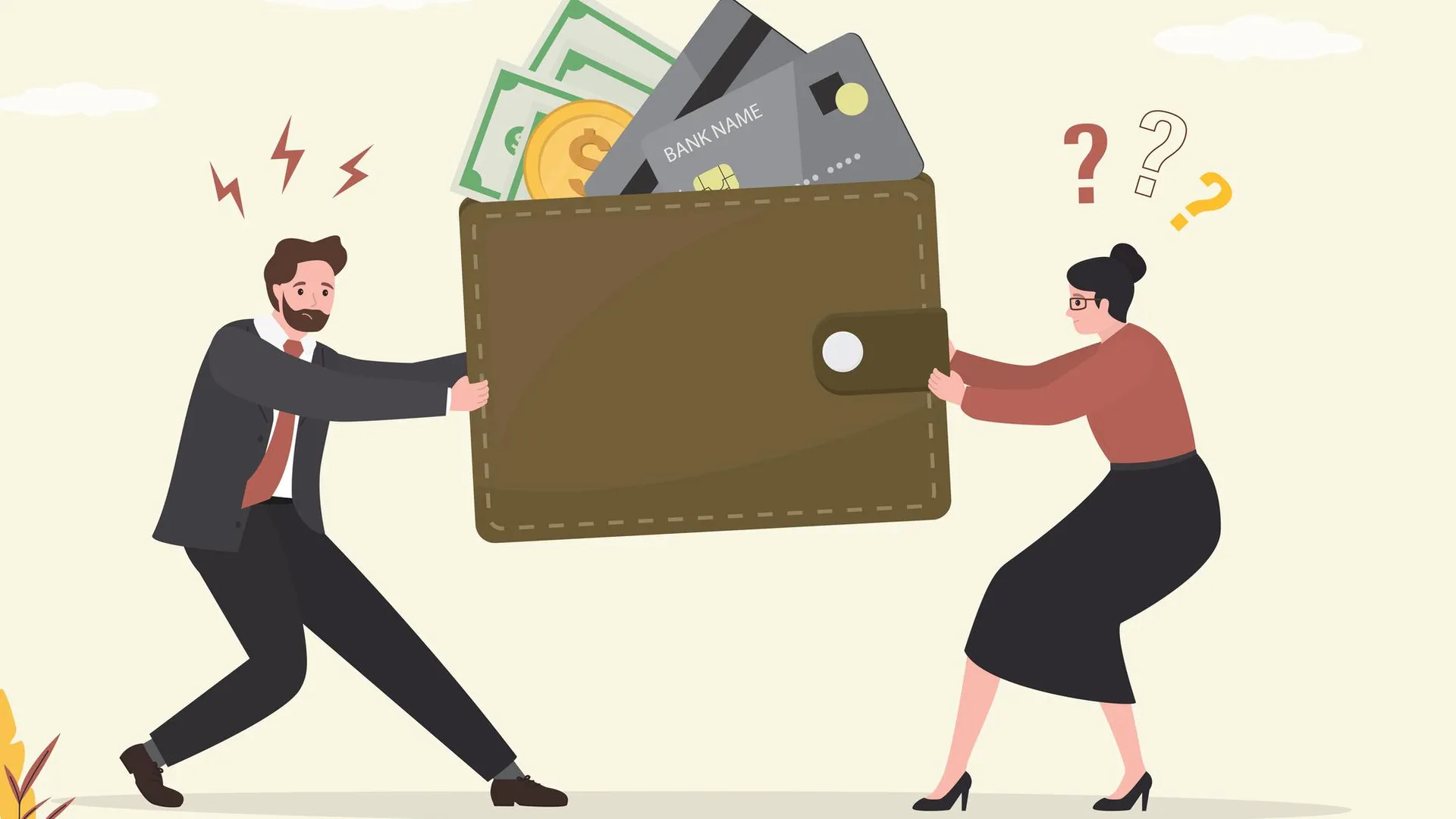
But there’s one area that tends to quietly cause long-term financial damage if ignored: your credit cards. Shared accounts, lingering balances and unclear responsibility can follow you long after the paperwork is finalized. And the reality is, your credit card issuer doesn’t care what your divorce decree says; they care whose name is on the account.
Here’s how to protect yourself before credit card debt becomes an expensive aftershock of your split.
Sign up for Kiplinger’s Free Newsletters
Profit and prosper with the best of expert advice on investing, taxes, retirement, personal finance and more – straight to your e-mail.
Profit and prosper with the best of expert advice – straight to your e-mail.
Joint liability doesn’t disappear with a separation
One of the most common and costly misconceptions is assuming that divorce automatically separates debt. It does not.
If you share a joint credit card, both of you remain legally responsible for the balance, regardless of who made the charges or what your agreement says. Even if a court assigns that debt to one person, creditors can still pursue either party for payment.
That means if your ex stops paying, missed payments can appear on your credit report and damage your score. Understanding exactly where you are liable, and where you are not, is the first step in protecting your credit.
Understand who is actually responsible for the debt
Not all credit card accounts are treated the same, and the distinction matters.
Joint accounts vs. authorized users:
- Joint account holders are equally responsible for the debt.
- Authorized users can make purchases, but aren’t legally required to repay the balance.
If you’re only an authorized user, removing yourself from the account can help protect your credit. But if you’re a joint account holder, the responsibility sticks until the balance is paid off and the account is closed or refinanced.
State laws also play a role. In community property states, most debt incurred during marriage is considered shared. In equitable distribution states, debt is divided based on fairness, not necessarily a 50/50 split.
Still, creditors ultimately rely on the account agreement (not state-level divorce rulings) when collecting payments.
Sorting out your finances is hard enough. A divorce can make it even more complicated. Use the tool below, powered by Bankrate, and answer a few quick questions to see personalized offers.
Why your name matters more than the court ruling
If your name is on the credit card account, you are still responsible for making the payment. That is why relying on a court order that says “your ex will pay it” can backfire.
If they miss a payment, it can lower your credit score and increase your credit utilization. It can also trigger late fees and penalty APRs.
In other words, your financial future can be affected by someone else’s actions unless you take steps to separate things cleanly.
When a separation becomes real, whether you have filed paperwork or are just starting to live apart, your financial lives can shift faster than you expect. Expenses may overlap, communication can break down and spending habits may change in ways you cannot control. This is one of the most vulnerable times for your credit.
Even a single missed payment or a sudden increase in a joint balance can lower your score and follow you for years. Because credit card accounts update frequently, the impact can happen quickly.
Taking a few proactive steps right away can help you limit new debt, prevent surprises and create a clearer financial boundary between you and your spouse while everything else is being sorted out.
1. Stop using joint credit cards
Continuing to charge expenses on shared accounts can increase balances and complicate negotiations.
2. Freeze or close accounts where possible
Contact your issuer to freeze the account to new purchases or close it entirely. Keep in mind that accounts with balances typically need to be paid down before closure.
3. Remove authorized users (or yourself)
If you’re an authorized user, request removal immediately. If your spouse is an authorized user on your account, consider removing them to limit further charges.
How to separate your finances cleanly
(Image credit: Getty Images)
The more organized and intentional you are during this phase, the easier it will be to avoid confusion, missed payments and lingering ties that can cause problems later.
Start by opening accounts in your own name if you do not already have them. This includes a checking account for everyday spending, a savings account for short term goals or emergencies and at least one credit card to help you build or maintain your individual credit history. If most of your financial life was previously shared, this step is essential for establishing independence.
Next, redirect all automatic payments and deposits. Go through your bank and credit card statements line by line to identify recurring charges. Do not forget about things like streaming services, utilities, insurance premiums and subscriptions. Update each one so it is tied to the appropriate individual account. This is also a good time to separate mobile phone plans, cloud storage and any other shared services that could continue billing both parties.
You will also want to create a clear system for handling any remaining shared expenses during the transition. For example, if you are temporarily splitting household bills, decide who is responsible for paying each bill and how reimbursement will work. Putting this in writing, even informally, can help prevent missed payments and misunderstandings.
Separating your finances may feel tedious, but it is one of the most important steps you can take to move forward with clarity and control.
Watch for these common (and costly) mistakes
Even with the best intentions, it’s easy to overlook key details during a separation, especially when emotions and logistics are both running high. Here are some costly mistakes to avoid.
- Assuming your ex will pay: Even if it’s written into your divorce decree, creditors can still hold you responsible if your name is on the account. Whenever possible, aim to remove your name from the debt entirely or ensure the balance is transferred into one person’s sole account.
- Ignoring joint accounts: It’s surprisingly common for people to “set aside” joint accounts during a separation, especially if they’re focused on larger issues. But leaving accounts open and unmanaged can lead to new charges, growing balances or missed payments. Make it a priority to address every shared account, even ones with small balances or no recent activity.
- Missing payments during the transition: Between moving, legal expenses and changes in income, it’s easy for due dates to slip through the cracks. Setting up automatic payments can help protect your credit while you sort everything out.
- Overlooking authorized user accounts: If you’re an authorized user on your spouse’s card, their spending behavior can still affect your credit utilization and payment history. Removing yourself from these accounts can help limit your exposure.
- Closing accounts without a plan: Closing accounts can reduce your available credit, which may increase your utilization ratio and lower your score. Make sure you have a strategy for paying off or transferring balances first.
Being aware of these common pitfalls can help you stay one step ahead, and protect your credit while you navigate a major life transition.
How divorce can affect your credit score
The act of divorcing itself won’t hurt your credit score. But the financial ripple effects can. Your score may drop if payments are missed, balances increase (raising your credit utilization), or even if accounts are closed, which reduces available credit.
On the flip side, taking control early by paying down balances, separating accounts and maintaining on-time payments can help stabilize your credit over time.
Divorce doesn’t automatically divide your debt. Instead, you’ll have to take a proactive approach to do that with the partner you’re separating from.
Taking clear, early action on credit cards can prevent long-term financial damage and give you a cleaner slate as you move forward.
