


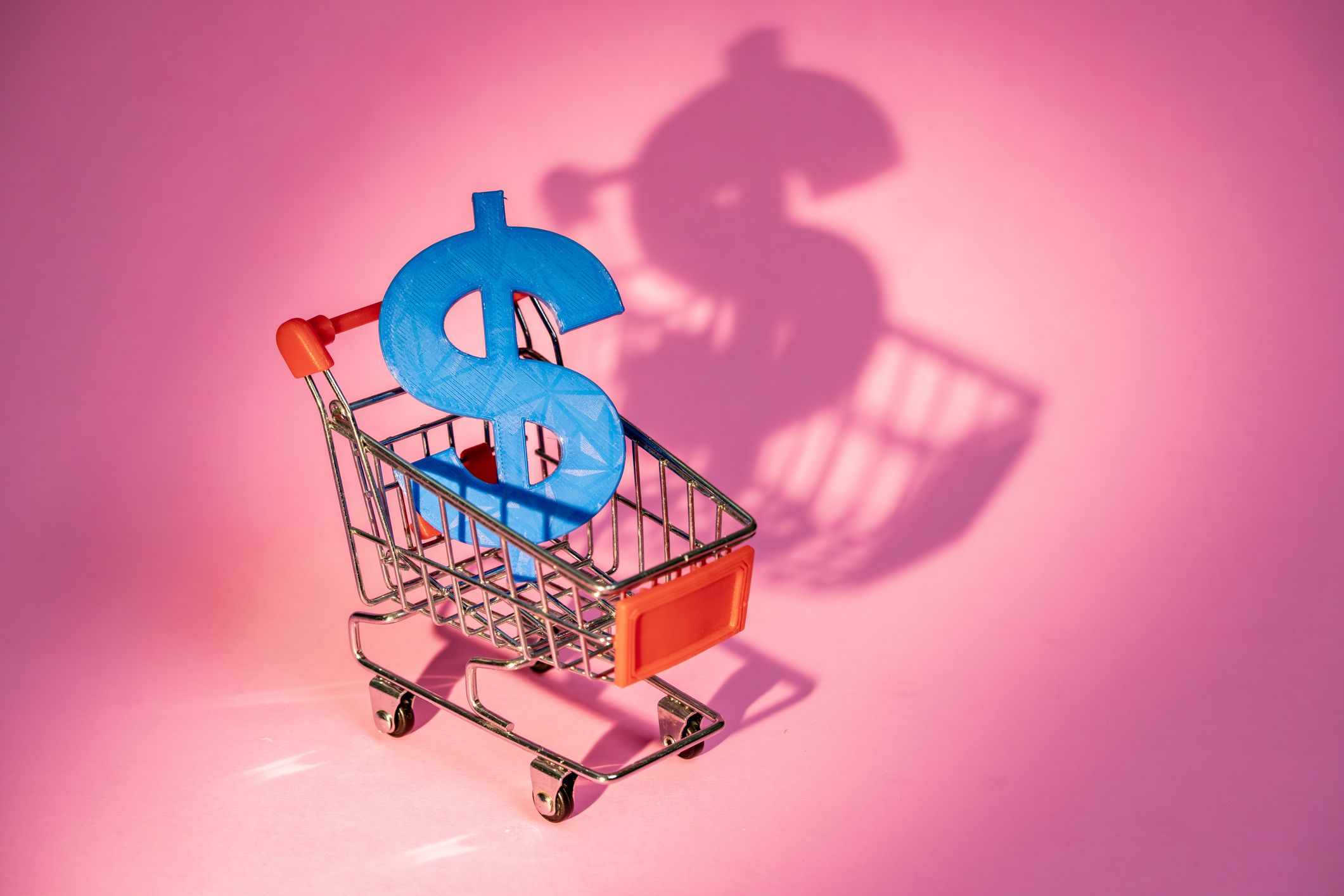

(Image credit: Getty Images)
You’re checking out online and see the message: “Add $10 more to get free shipping.” Or you’re in the grocery aisle debating a buy-two-get-one-free cereal deal. In both cases, the offer nudges you to spend more than you planned.
That behavior has a name: “spaving”, or spending more money now to save money later. While it can feel like you’re getting a deal, those extra purchases often add up quickly.
What seems like a smart move in the moment can quietly drain your budget over time. Understanding how spaving works is the first step to spotting it and avoiding it.
Sign up for Kiplinger’s Free Newsletters
Profit and prosper with the best of expert advice on investing, taxes, retirement, personal finance and more – straight to your e-mail.
Profit and prosper with the best of expert advice – straight to your e-mail.
What is spaving?
Spaving is the act of spending more money now in an effort to save money over time. For example, you might plan to spend $50 at a store, but after seeing an offer for a free $50 gift card if you spend $100, you double your purchase to qualify for the deal.
The concept itself is not new. Shoppers have been influenced by promotions and thresholds for years, but spaving gives a name to a common habit that can quietly undermine your budget. This behavior isn’t new; it’s just newly labeled.
Why “spaving” can actually cost you more
When you spend more to get a deal, you might feel like you came out ahead, but spaving can actually cost you more. Let’s say that you were ordering $50 worth of items from an online retailer that offered free shipping on orders of $75 or more. To get the free shipping, you had to buy $25 more than you were planning to.
In this instance, you spent an extra $25 to get free shipping, but chances are you didn’t actually save — you spent more than you would have paid for shipping. You also ended up with some items that you didn’t necessarily plan to buy.
Psychological factors contribute to spaving. You might spend more because of fear or missing out on a great deal. Many websites now feature prompts that encourage the behavior, like “Only $10 more until free shipping” prompts when you check out.
Retailers design these thresholds intentionally to drive sales and maximize the value of each order. Those deals aren’t designed to benefit you, but to increase the retailer’s sales and profits.
The most common spaving traps
As you shop, be on the lookout for these common spaving traps:
- Free shipping minimums: It’s easy to get trapped in the idea that you have to spend just a little more to get free shipping, but that temptation can cause you to overspend.
- Buy one, get one deals: These offers may be tempting, but unless you actually need both products, they may not be worth it. You might save more by waiting for a single item to go on sale.
- Spend X, save Y promotions: When retailers give you a threshold to meet to save money, it encourages you to spend more than you planned. These promotions are only good deals if you were already planning to spend that amount.
- Free trials: Many free trials may seem appealing, but they typically turn into subscriptions. It can be difficult to keep track of subscriptions, and the price often increases after an introductory period, so you might spend more than you expected.
When spending more actually does make sense

(Image credit: Getty Images)
Spending more can make financial sense in certain situations. If you’re buying bulk essentials that you’ll actually use, then buying in bulk or spending a little more to get a deal can help you save, since those products won’t go to waste.
Annual subscriptions that are discounted compared to what you would pay monthly can also make sense, as long as you’re confident you will use the subscription for the entire year. If you’re trying out a new subscription, then choosing the monthly rate until you’re confident you’ll keep the service for the whole year is the safer bet, even if it costs a bit more.
Spending more on higher-quality items that last can also make financial sense. If you’re buying a cheaper product, like a cheaper blender, but it only lasts for a few months, a more expensive blender that lasts for years will ultimately be the better buy.
How to stop spaving and actually save
These tips can help you stop spaving and actually save your money:
- Use a 24 – 48 hour rule: When shopping online, do not check out immediately. Instead, leave items in your cart for 24 to 48 hours. That extra time allows the initial excitement to fade, so when you return, you can better decide whether you actually want and need those items.
- Calculate your total spend: It is easy to justify a larger purchase when you are focused on the savings, but look at your total spend instead. Focusing on what you are actually spending can put the purchase in perspective and help you decide if it is truly a good deal.
- Shop with a list: Sticking to a list of items you actually need can help keep you focused, so you are less likely to browse, discover new items and make impulse purchases. This is especially true when shopping online.
- Turn off your deal alerts: Retail notifications and deal alerts can tempt you to buy items you would not have otherwise purchased. Turning them off removes that extra nudge to spend.
- Set a shipping rule: Set a “free shipping is not free” rule. Remind yourself that retailers set these thresholds to increase your total spend, not to help you save. Commit to not adding extra items just to qualify for free shipping.
How to spot spaving before it costs you
Spaving is not about making bad decisions, but about subtle ones that can add up over time. Paying close attention to your spending habits and taking a closer look at so-called deals can help you spot when extra spending does not make financial sense. If you were not planning to buy an item before the deal, you are not actually saving. You are spending more, and you may regret it later.
