


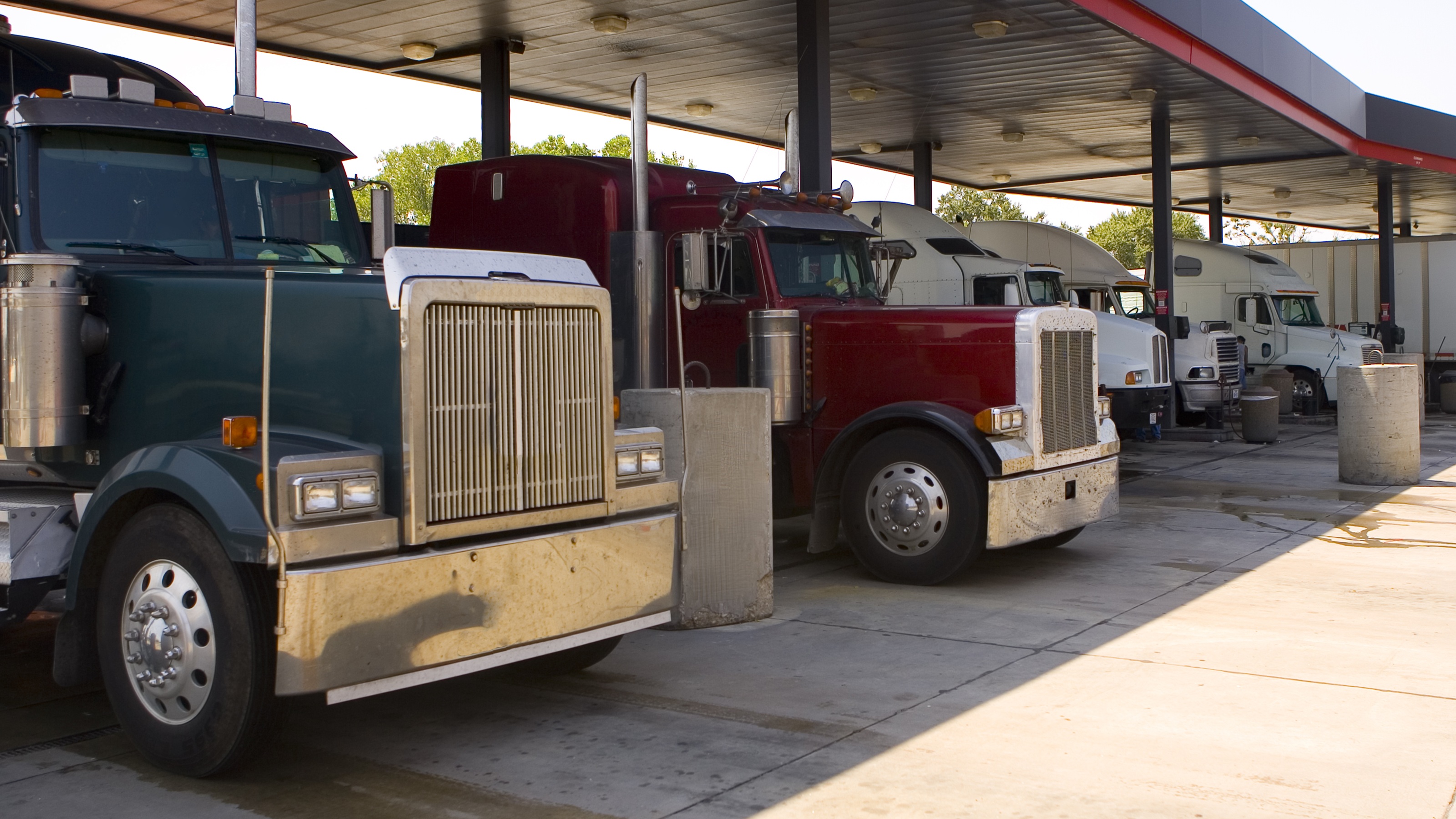
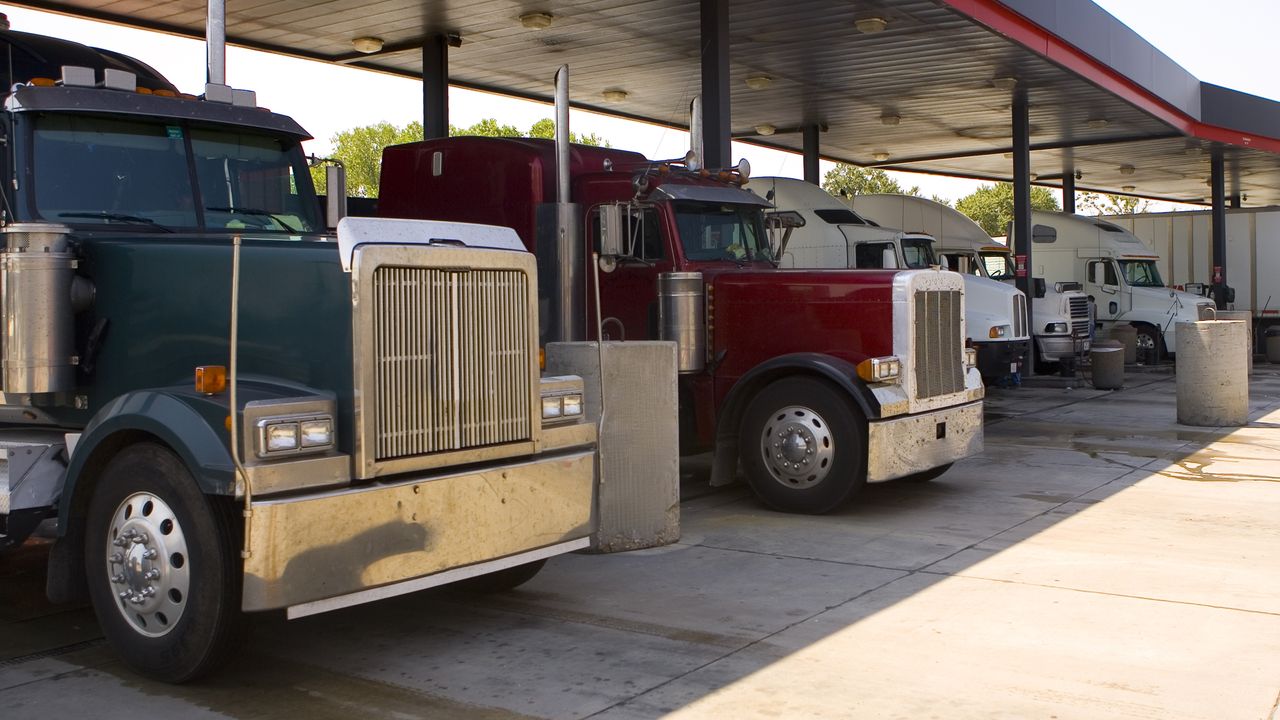
In the world of commercial real estate, some asset classes offer the potential for stability and predictable returns, while others carry hidden risks that can quickly erode investor value. Truck stops fall squarely into the latter category.
While they may appear attractive due to their necessity in the transportation sector, the reality is that these investments are fraught with volatility, operator instability and long-term disruption risks.
In contrast, traditional real estate sectors like industrial properties, net leased properties to essential businesses, grocery-anchored retail and multifamily apartments often offer more reliable return potential and much lower operational risk.
Sign up for Kiplinger’s Free Newsletters
Profit and prosper with the best of expert advice on investing, taxes, retirement, personal finance and more – straight to your e-mail.
Profit and prosper with the best of expert advice – straight to your e-mail.
Kiplinger’s Adviser Intel, formerly known as Building Wealth, is a curated network of trusted financial professionals who share expert insights on wealth building and preservation. Contributors, including fiduciary financial planners, wealth managers, CEOs and attorneys, provide actionable advice about retirement planning, estate planning, tax strategies and more. Experts are invited to contribute and do not pay to be included, so you can trust their advice is honest and valuable.
This article explores why truck stop real estate is a high-stakes gamble — backed by real-world examples of truck stop operator failures — and why investors, especially Delaware statutory trust (DST) and 1031 exchange investors, should prioritize more resilient asset classes.
Fuel price volatility and operator instability
One of the most significant risks of truck stop real estate is its direct exposure to fuel price fluctuations.
Unlike multifamily or industrial properties, where tenants sign long-term leases and potentially pay rent regardless of broader economic conditions, truck stop operators rely on fuel sales to stay profitable.
When diesel or gasoline prices surge, margins compress, and operators often struggle to cover expenses. This vulnerability has led to numerous bankruptcies and restructurings in the industry.
For example, in 2008, Flying J, one of the largest truck stop chains in the U.S., filed for Chapter 11 bankruptcy after suffering massive losses from fuel hedging and debt obligations.
The company was forced to restructure and sell off assets, leaving landlords with uncertainty and potential vacancies.
Similarly, Petro, another major truck stop operator, faced financial distress in 2020 and underwent restructuring, disrupting cash flows for property owners.
Smaller operators are even more susceptible. The National Association of Truck Stop Operators (NATSO) has noted that rising credit card processing fees, labor shortages and competition from national chains have pushed many independents out of business.
The truck stop and fuel industry is inherently cyclical and highly susceptible to economic downturns.
As highlighted in a recent report, key investor risks include a heavy reliance on location, vulnerability to macroeconomic shifts and rising operational costs — where increased expenses for payroll and insurance can swiftly erode cash flow and profitability.
For landlords, this translates to sudden lease defaults, costly re-leasing efforts and prolonged vacancies — risks that are far less common in industrial, retail and medical real estate, where tenants have stronger credit profiles and longer-term commitments.
The threat of technological and regulatory disruption
Beyond fuel price risks, the truck stop industry faces existential threats from evolving transportation trends. The rise of electric semi-trucks (e.g., Tesla Semi, Volvo and Freightliner models) and government mandates for zero-emission vehicles will drastically reduce demand for traditional diesel pumps.
The same article cites that, unlike gas stations, which can adapt by adding EV chargers, truck stops require significant infrastructure overhauls to accommodate high-capacity charging — a cost many operators cannot afford.
Interested in more information for financial professionals? Sign up for Kiplinger’s new twice-monthly free newsletter, Adviser Angle.
Autonomous trucking adds another layer of risk. Companies like TuSimple and Waymo are testing self-driving freight vehicles that optimize routes and reduce the need for driver-centric amenities like showers, restaurants and parking.
If adoption accelerates, truck stops could see declining foot traffic and revenue, making them less viable for tenants — and, by extension, less reliable for landlords.
These disruptions contrast sharply with industrial and multifamily real estate, which benefit from long-term megatrends like e-commerce growth, urbanization and housing shortages.
While no asset class is entirely immune to market shifts and they all contain risks, the structural demand for warehouses, apartments and grocery-anchored retail is believed by many industry experts to be far more durable than the uncertain future of truck stops.
Why industrial, multifamily and core retail are safer alternatives
While all real estate carries risk, the truck stop sector’s dependence on fuel sales, operator solvency and outdated infrastructure makes it uniquely volatile. Industrial properties, for example, benefit from e-commerce growth and supply chain demand, with tenants signing 10-plus-year leases.
Multifamily housing in core markets thrives on inelastic demand for housing, with rent collections potentially remaining stable even during downturns.
Grocery-anchored retail, meanwhile, is typically considered recession-resistant, as consumers prioritize essentials regardless of economic conditions.
For investors seeking reliable cash flow potential without the roller coaster of fuel prices and operator bankruptcies, these traditional asset classes offer a far safer path to long-term returns.
Conclusion: Prioritizing stability over speculation
Truck stop real estate may seem appealing at first glance, but the risks — fuel price swings, operator failures and technological disruption — far outweigh the potential rewards.
By contrast, industrial, multifamily and core retail investments provide the potential for durable demand, stronger tenants and lower volatility.
For landlords and investors, the choice is clear: Avoid the fuel industry’s pitfalls and focus on asset classes built for resilience.
Investors, whether they be 1031 exchange DST investors or direct investors, must also beware truck stop investments that have large balloon mortgages on them.
If the property has a large mortgage and the truck stop operator defaults on their lease payment, the investors will likely lose their entire principal amount invested to a lender foreclosure.
