


When I was in college, Dave Ramsey’s voice echoed in my head every time I stood at the checkout line. His words, “You must gain control over your money, or the lack of it will forever control you” were often enough to stop me from buying things I didn’t need, like another pair of shoes.
Instead, I ate rice and beans, lived frugally and focused on one goal: Becoming debt-free. For someone just starting, his strict plan gave me the structure I needed at the time.
More recently, I discovered Caleb Hammer on YouTube. His “Financial Audit” show hooked me with its mix of brutal honesty, tough love and roast-style humor. As a millennial facing today’s challenges — high inflation, rising home prices and the reality of planning for retirement — I now find myself blending Ramsey’s discipline with Hammer’s urgency when working on my finances.
Sign up for Kiplinger’s Free Newsletters
Profit and prosper with the best of expert advice on investing, taxes, retirement, personal finance and more – straight to your e-mail.
Profit and prosper with the best of expert advice – straight to your e-mail.
It can be hard to cut through the noise and settle on a strategy that truly works. For years, I thought sticking with one system was enough. But money advice isn’t one-size-fits-all; the right voice often depends on the stage of life you’re in.
That’s why I’m exploring how Ramsey’s structure and Hammer’s urgency balance each other, and what their differences taught me about adapting our financial habits as life changes.
It’s not which plan, but having a plan

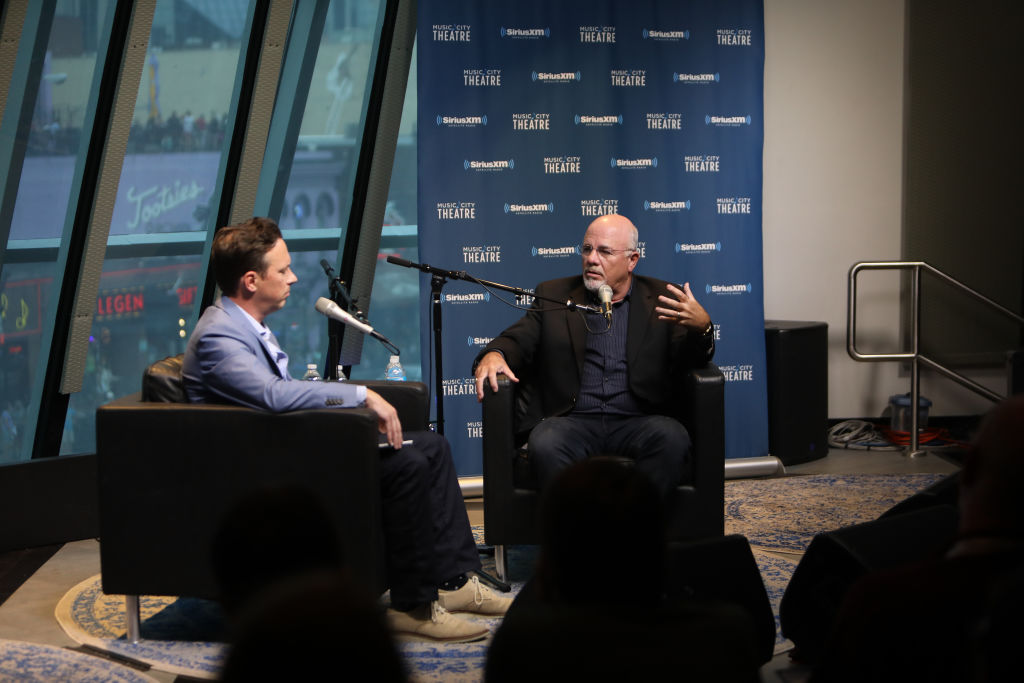
(Image credit: Anna Webber / Stringer)
Both Ramsey and Hammer are intense financial personalities. They’ve each built influence by promoting financial literacy in their own way. For me, following them is part of my own personal development. I read, watch and learn from diverse voices to stay up to date — without following any single ideology to the letter.
Dave Ramsey has spent decades building an empire through radio and books, and through his company, Ramsey Solutions, which now produces shows, podcasts and financial education resources.
Caleb Hammer has quickly grown a YouTube following through his Financial Audit show, where he’s built a community of people willing to be brutally honest about their finances.
Their tones and audiences may differ, but their mission is the same: To help people stop making money mistakes.
Today, financial advice is everywhere in podcasts, YouTube shows, TikTok clips and blogs. Some voices feel too rigid, others too gimmicky. Over time, I’ve learned to focus on the ones that fit my stage of life and push me forward without creating more stress than clarity.
For me, that has meant turning to Ramsey’s advice when I need to focus on structure and to Hammer’s guidance when I need to evaluate my habits and lifestyle. I took Ramsey’s advice as his way, a single path I had to follow. But as I’ve gotten older, I’ve realized he wasn’t saying it had to be his plan, only that you need a plan.
As Ramsey recently told us, “Winning with money isn’t about age. It’s about behavior. Follow the plan and you’ll win every time.” That perspective is why his philosophy has endured, even as new voices like Hammer bring fresh urgency to the conversation.
Building on the basics: From frugality to growth
I’ve always tried to keep an emergency fund, and for a long time, my focus was on living debt-free. That discipline gave me security, but it also meant I wasn’t paying enough attention to retirement.
As costs continued to rise, I realized saving and frugality alone wouldn’t carry me into the future — I needed to shift from simply protecting what I had to making my money work for me.
Over time, I’ve also had to rethink how I approach debt. I’ve never liked the pressure of owing anyone money, and that caution has served me well. But with age and experience, I’ve come to see that not all debt is the same.
Some debt, used wisely and intentionally, can open doors — whether that’s buying a home, investing in education or building long-term security. The key is understanding the trade-offs and refusing to let debt become a way of life. For me, what started as a survival mindset has evolved into a strategy that strikes a balance between discipline and growth.
As Ramsey points out, “Younger people are more skeptical of debt, which is smart. But they often get impatient and want results fast. Building wealth takes time and discipline.
Older generations had more patience but believed debt was a normal part of life. That’s a lie. Debt will always equal risk.” His perspective underscores what I’ve learned in my own journey: debt may sometimes be useful, but it’s always something to approach with caution.
Finding balance between fear and opportunity
In the early 2000s, I swiped a credit card at the grocery store and watched my aunt gasp in horror. To her, debt for everyday expenses spelled disaster. But it wasn’t just the debt — credit cards themselves still felt new, unfamiliar and risky. Handing over plastic instead of cash made her uneasy, as if she were stepping into uncharted territory.
For me, the appeal was different. I wanted the points for my next trip, and I trusted myself to pay the balance off each month. With Ramsey’s warnings in the back of my mind, I kept it under control.
Still, using that card was a vulnerable moment, one that taught me how every new financial tool comes with both risk and opportunity.
Ramsey’s system leaves no room for credit cards, ever. Hammer, though, is less rigid. He’ll call out reckless spending without hesitation, but he allows for responsible credit card use if you’re disciplined enough. His urgency comes from cutting expenses immediately, sometimes even more aggressively than Ramsey would.
Rethinking how to invest
The more I watched Caleb, the more I started to question my own investment strategy. For years, I followed Ramsey’s playbook without hesitation: Automatically put 15% of my income into mutual funds, avoid individual stocks and crypto, steer clear of whole life insurance and never invest until debt is gone. For a long time, that structure worked. It felt safe.
But when the markets dipped, I realized I didn’t fully understand the choices I was making; I was just following rules. It wasn’t enough to manage my daily budget — I needed to take ownership of my entire financial plan.
I could no longer rely on the tried-and-true without questioning it. Caleb pushes people to examine their allocations, confront their habits and focus on behavior before strategy.
Hearing him call out others’ blind spots made me stop and take a harder look at mine. Hammer forced me to think beyond rules and start owning the decisions behind my investments.
Rethinking retirement: From structure to ownership

(Image credit: Ann Webber / Stringer)
When asked to sum up his philosophy, Ramsey doesn’t mince words: “Live like no one else, so later you can live and give like no one else. Sacrifice now. Get out of debt. Build wealth on purpose. It isn’t magic, it’s common sense.”
For years, that discipline shaped how I thought about retirement. I leaned on the structure Ramsey taught — steady contributions, long-term patience, letting time do the heavy lifting. When my employer offered a retirement plan, I accepted it without question and felt secure.
But after being laid off from my dream job, my perspective shifted. Losing a position with strong benefits and a supportive team was tough, but it forced me to take real ownership of my future.
That’s where Hammer’s tough-love approach hit home. Lifestyle creep had slipped in quietly — streaming subscriptions, online shopping, quick weekend trips I told myself I “deserved.” The truth was, I wasn’t setting myself up for long-term success.
Hammer warns that lifestyle creep, more than anything else, robs people of retirement security. His urgency pushed me to face those habits head-on and start building a retirement plan designed for me and my family, not just one handed to me.
At the same time, Ramsey’s principles provided the guardrails — the discipline and structure that kept me steady — so I could evolve with confidence and begin taking the kind of risks and ownership Caleb encourages.
Two voices, one lesson
What I’ve learned is that building a financial plan isn’t about following one voice to the letter — it’s about taking the parts that work for you and sticking with them, while staying open to change.
Personal finance evolves as life does, and so should the plan you build for yourself. What matters most isn’t whose rules you follow, but how willing you are to adjust along the way.
