


Editor’s note: This article is part of an ongoing series on retiring abroad. To see all the articles in the series, jump to the end.
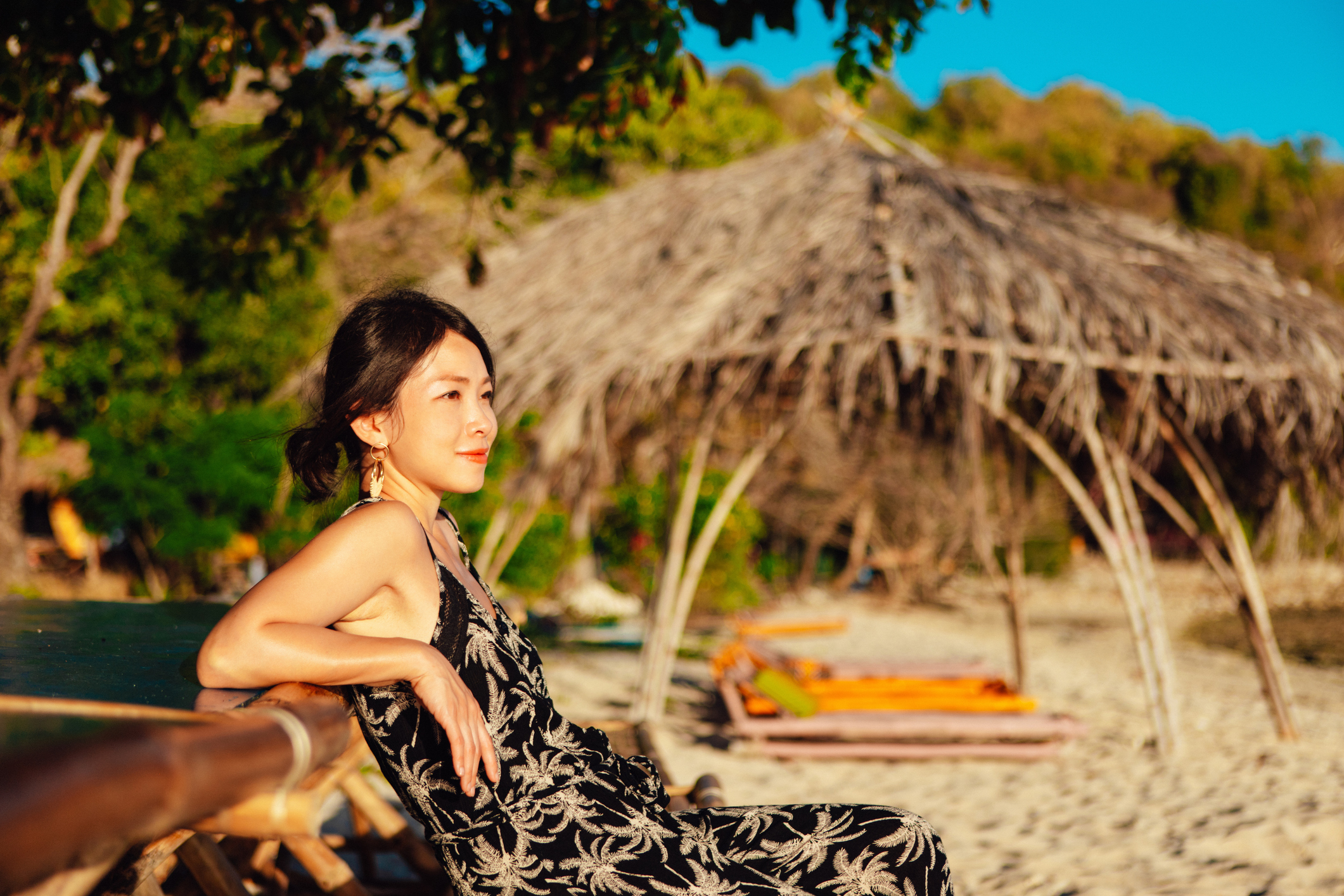
Boracay, Palawan, El Nido — this is the stuff of sophisticated travelers’ dreams, for their endless sandy beaches, colorful reef diving, turquoise waters teeming with marine life, secret coves, and limestone towers called karsks that rise from the Sula Sea. However, the Philippines, a sprawling archipelago nation located in Southeast Asia and home to 110 million people — the 12th most populous country on the planet — is also an affordable place to retire, with relatively low barriers to entry.
True, this island nation is especially vulnerable to climate change, including sea level rise, typhoons, and flooding. And it’s on the other side of the world. Draw a straight line from Taiwan to Indonesia, and the Philippines is halfway between them. To the east, across the South China Sea, are Vietnam, Cambodia and Thailand.
Sign up for Kiplinger’s Free Newsletters
Profit and prosper with the best of expert advice on investing, taxes, retirement, personal finance and more – straight to your e-mail.
Profit and prosper with the best of expert advice – straight to your e-mail.
It takes about 15 hours on a nonstop flight from Los Angeles to arrive in Manila, the capital of the Philippines, on Philippine Airlines. Cathay Pacific’s connecting flights typically layover in Hong Kong before the final leg to Manila’s Ninoy Aquino International Airport.
Recent searches showed round-trip fares for under $800; that’s a savings that can go toward Amanpulo, Aman Resorts’ uberlux property in Palawan. As a U.S. citizen, you can visit the Philippines visa-free for 30 days. If you plan to stay longer, you must apply for a visa. The best time to go is November to February (Christmas in Manila, anyone?), when the weather is driest and coolest, but you can expect temperatures in the 80s and 90s year-round.
The experts’ take
YouTube personality Dan, of the Vagabond Awake YouTube Channel and VagabondBuddha.com, is candid about living in the Philippines. “I have been discovering the best places to retire for myself since about 2013,” he says. “I have been teaching about places and how to retire abroad since around 2019.”
His verdict, at least when it comes to tropical pulchritude: “The Philippines is unique in terms of natural beauty, such as white sand beaches, waterfalls and beautiful countryside.”
Expats abound
“There is a large, active expat population, especially Americans — around 220,000 people,” according to Dr. Laura Madrid Sartoretto, research lead at the global intelligence unit of Global Citizens Solutions (GCS). Other expat groups are also represented, including numerous (estimated) Chinese (30,000), Japanese (18,000), Koreans (100,000), British (10,000), and Australians (10,000).

(Image credit: Getty Images)
Where expats tend to live
Some popular expat hubs are Manila, Cebu, Dumaguete, Davao, and Subic Bay, Sartoretto says. Dan, the YouTube personality, cites Dumaguete as having the highest number of expatriates in the Philippines as a percentage of the population. Located on Negros Island, Dumaguete is known for its universities, cultural landmarks, and festivals. Vibrant Rizal Boulevard captures the lifestyle of Dumaguete, with its numerous coffee bars, hotels, food carts, and restaurants, plus a coastal promenade.
In Manila, wealthier expats gravitate to Forbes Park, a gated community dubbed the Beverly Hills of Manila. The Manila Polo Club and the Manila Golf and Country Club are located here. The ritzy life aside, living in the Philippines costs around 70% less than in the U.S.

(Image credit: Getty Images)
Quality of life for expats
“The Philippines is … ideal for English speakers because many locals
speak English,” Dan says. In a White Lotus-style aside, he adds that “the Philippines is also unique in that age-gap relationships are so common, as so many retired Western single men go there to find love in retirement.” If finding romance is your goal, be wary of catfishing schemes that target foreign men. Keep in mind that dating sites and “mail-order brides” may encourage trafficking of women. By some accounts, however, access to the internet has given rural Filipina women more control over whom they marry.
Dan notes a few hiccups on the road to modernity: “The Philippines struggles with infrastructure and medical care as compared to other parts of Southeast Asia.” The country is working to improve its limited rail system.” (See the section on health care below.)
On the plus side, gay life and gender fluidity are part of the culture of the Philippines, which instituted protections against discrimination in 2017. There’s even a gay lingo called Swardspeak. Violating the rights of members of the LGBT community carries criminal penalties. Marriage equality remains elusive, but advocacy groups are working hard to move the needle.
The Philippines boasts a high literacy rate and almost 80% of the population is Catholic.
Finally, one of the gems of Filipino culture is its cuisine, which Gordon Ramsay called “the sleeping beauty of Asia.” As a crossroads for migration and colonization in the region, Filipino cuisine has been influenced by Malay, Indonesian, Spanish, American and indigenous cooking.

(Image credit: Getty Images)
Cost of living in the Philippines
The cost of living in the Philippines is low to moderate by Western standards, Sartoretto says. Monthly living expenses for a couple can range from $1,200 to $2,500, depending on location and lifestyle. The World Health Organization classifies the Philippines as a lower-middle-income country, but it is considered to be a rapidly developing one.
Visa matters
Sartoretto refers to the Special Resident Retiree’s Visa (SRRV) as the country’s “flagship retirement visa,” which is issued by the Philippine Retirement Authority (PRA) in Metro Manila. It is a multiple-entry, indefinite-stay visa designed for foreign nationals and former Filipinos who wish to settle or retire in the Philippines.
There is a menu of various SRRV visas, three of which are relevant to foreigners.
The SRRV Classic is geared for retirees aged 50 and over. Retirees must show a monthly pension of $800 for singles ($1,000 for couples), plus provide a bank deposit of $10,000 to $20,000, sums that reflect the low cost of living in the Philippines. If you have no pension, you can expect a bank deposit requirement on the higher end of that spectrum.
The SRRV Smile is for early retirees aged 35 and over: A $20,000 bank deposit (but no pension) is required.
The SRRV Human Touch visa is for retirees needing medical care. To qualify, you’ll need to fork over a $10,000 deposit and prove health insurance.
That’s not all: “While the SRRV is the best-known path for retirees,” Sartoretto says, “the Foreign Investment Visa (FIV) is another route primarily intended for foreign investors,” whether they are retired or not.
This visa requires a qualifying investment (typically from $75,000 to $100,000, or more, depending on the industry sector), aimed at business owners or those investing in local enterprises. The FIV grants investors and their qualifying dependents legal residency in the Philippines by making an eligible investment.
Processing the FIV is brisk; that’s how eager the country is to absorb investment dollars into its economy. “The FIV application process is notably fast, typically approved within just five business days after submission of all required documents and proof of investment,” Sartoretto says.
Both visa options offer permanent residency, indefinite stays, and multiple re-entries; family inclusion for spouses and dependent children under 21; tax-free import of personal effects up to $7,000; and seamless travel in and out of the country. Finally, while the FIV allows for active business engagement, SRRV holders can start a business under certain conditions.
Health care and taxes
While public hospitals offer basic coverage (preventative and primary care) and lower costs, quality and capacity can vary widely, particularly outside major urban centers. In contrast, the private health care sector (especially in cities like Manila, Cebu, Davao, and Makati) features internationally accredited hospitals and clinics, attracting most expats and retirees with superior care, English-speaking staff, and minimal wait times.
The National Health Insurance Program, PhilHealth, provides subsidized care to all citizens and registered foreign residents, including those on SRRVs, and, in some cases, FIVs.
While PhilHealth membership is required for resident expats and SRRV holders, “most retirees also opt for private health insurance — highly recommended — to ensure comprehensive access and financial protection for major medical needs,” Sartoretto says. Private care means greater comfort and shorter wait times.
The cost of annual private insurance varies greatly according to age, coverage, and provider, but some benchmarks are $600 to $2,000 (local insurance) and $2,000 to $6,000 or more for comprehensive, international plans.
Finally, the Philippines enjoys a territorial tax system in which foreign-sourced income (including pensions) is not taxed unless remitted to the Philippines and utilized for business/investment purposes. If you transfer your foreign pension or savings into the Philippines for personal living expenses, this amount is not taxed as income. Moreover, there is no estate or inheritance tax on foreign assets.
