


Editor’s note: This article is part of an ongoing series on retiring abroad. To see all the articles in the series, jump to the end.
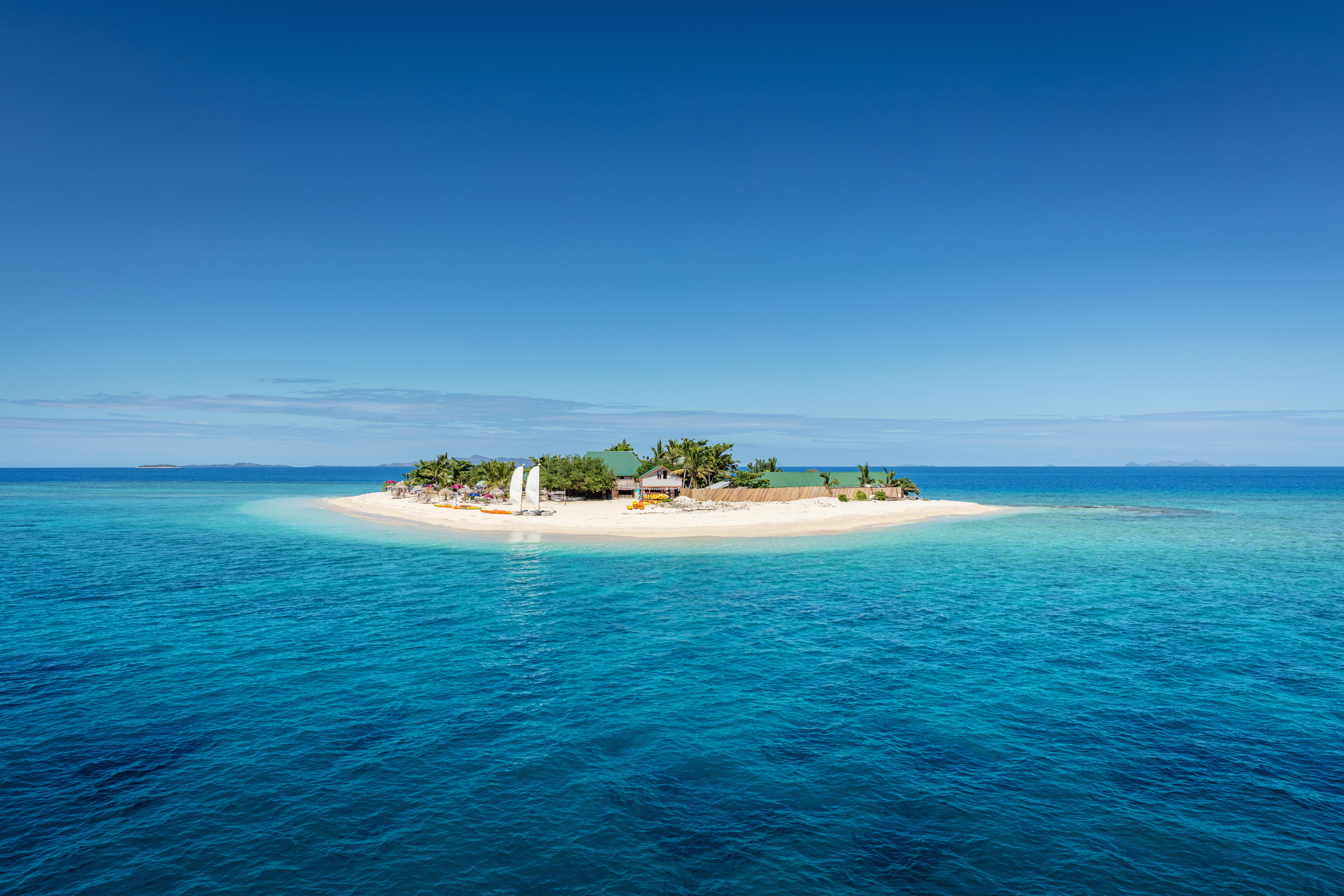
Fiji is such a dream vacation destination — a place that seems so exotic and ephemeral — that it is difficult to imagine actually relocating there. But you can, and doing so is not particularly arduous. The bar for demonstrating financial independence (which is mandatory in order to obtain a long-term visa) is low, and assuming you can meet it, this beach paradise that served as the location for both The Blue Lagoon and Survivor can be your new tropical home.
“Fiji offers a warm, English-speaking environment, a tropical lifestyle, and affordable living costs compared to Australia, New Zealand, or the U.S.,” says Dr. Laura Madrid Sartoretto, research lead at the global intelligence unit of Global Citizens Solutions (GCS). According to GCS, Fiji’s population of nearly 900,000 includes a healthy number of expats from English-speaking countries, specifically Australia (around 5,000 people), New Zealand (around 3,500), the U.S. (around 3,000), Great Britain (around 1,500), and Canada (around 1,000). Those figures include both retirees and seasonal residents.
Sign up for Kiplinger’s Free E-Newsletters
Profit and prosper with the best of expert advice on investing, taxes, retirement, personal finance and more – straight to your e-mail.
Profit and prosper with the best of expert advice – straight to your e-mail.
The country’s 330 islands, around a third of them inhabited, lie northeast of New Zealand and east of Australia. It takes three hours to fly from Auckland to Fiji’s Nadi International Airport, and five to fly from Sydney to Nadi. From Los Angeles, the flight is around 10 or 11 hours, which is several hours longer than the trip from LA to the Pacific escapes of Hawaii or French Polynesia — that’s how far-flung Fiji is. Expectedly, Fiji experiences a consistent, sunny, tropical climate throughout the year; the driest months are from May to October.
The vast majority of Fijians live on two islands: Viti Levu, where both Nadi and the capital of Suva are located, and Vanua Levu. Though Suva has its own airport, Nadi’s airport is considered the international gateway. It takes 3.5 hours to drive from Nadi International Airport to Suva, along a southerly coastal route. If you want to explore the lay of the land for possible relocation, Fiji’s Intercontinental Golf Resort & Spa offers the ultimate soft landing on its 35 beachfront acres; it’s designed to evoke a Fijian village, so it gives guests a sense of the traditional culture. The resort is located less than an hour’s drive from Nadi’s airport.

(Image credit: Getty Images)
The Fiji Ethos
Kathy Koyamaibole, Tourism Fiji’s regional director for North America, says that “Fiji continues to be an ideal destination for those looking to retire in a place that offers not only serene natural surroundings, but also a deep sense of community and well-being. What sets Fiji apart is its warm and welcoming culture. Fijians are known for their hospitality, strong community values, and genuine sense of happiness that’s truly infectious. For retirees, Fiji offers a slower pace of life, vibrant expat communities, affordable real estate, and lots of coconuts to keep you hydrated.”
Opportunities for beachcombing, snorkeling, and scuba abound, along with cultural sites like Nadi’s Sri Siva Subramaniya Swami Temple. A fresh, healthy cuisine — heavy on seafood and farm produce — awaits. The ceviche-like Kokada, whipped up from fish and coconut milk — is the national dish.
In terms of the comfort level for the LGBT community, Fiji is a mixed bag. Though Fiji decriminalized gay sex 15 years ago and has adopted laws banning employment discrimination and hate speech against LGBT people, marriage equality is not available in the country. But like many Pacific island countries and states (including French Polynesia and Hawaii), Fijian society recognizes a third gender (men with female characteristics), here called vaka sa lewa lewa.

(Image credit: Getty Images)
Where to retire in Fiji
A plurality of Fijians live in the capital of Suva, which is home to more than 185,000, if you include the coastal city’s greater metro area. Suva’s Colonial War Memorial Hospital is the largest in Fiji.
But Koyamaibole encourages retirees to look beyond Suva. “Many U.S. expats choose to settle in areas like Savusavu, Pacific Harbour, or Nadi for their laid-back lifestyle, proximity to nature, and access to local amenities,” she notes.
Savusavu, known for its hot springs, is located in Vanua Levu, but you can get there from Nadi via a one-hour flight. Pacific Harbour is in Viti Levu (about an hour’s drive from Suva), and offers the acclaimed Paradise Beach, as well as river tubing, fishing, surfing, ziplining, a marina, and the Arts Village for shopping and dining. Nadi is a center for Hindu culture, while its economy is heavily reliant on tourism. The city’s Pacific Specialist Healthcare is highly regarded.
Renting an apartment is extremely affordable: A one-bedroom in the city center will set you back only around $700, while a three-bedroom will cost double that.
As an island nation, Fiji is particularly vulnerable to sea-level rise and other climate impacts. Happily, the Government of Fiji has developed plans to improve the islands’ resilience, some of which involve moving coastal villages further inland. If you hope to settle right on the coast, you should research the potential vulnerability of each property you consider.
Visa, health care and tax matters in Fiji
The Fiji Assured Income Visa (AIV) is the primary retirement and passive income visa offered by this South Pacific nation. “Designed for financially self-sufficient retirees and expats, the AIV grants renewable long-term residence to those who can demonstrate a secure, regular income or substantial assets,” Sartoretto says.
To qualify for the AIV, applicants must be at least 45 years old, show evidence of accommodation (rented or owned), hold valid health insurance, and pass a medical check. Sartoretto explains that most expats and retirees use private clinics and hospitals, with international health insurance strongly recommended. “Medical standards in major cities such as Suva and Nadi are good, but limited in rural areas,” she says.
In addition, the applicant must demonstrate financial self-sufficiency: A minimum annual income of 30,000 in Fijian dollars (called FJD) is required — that’s approximately $13,200 in U.S. dollars — from pensions, investments, annuities, or other fixed-income sources. (A spouse and dependents under 18 are included.) Alternatively, Sartoretto says, applicants may show “sufficient assets held in Fiji”: a bank deposit of at least FJD 100,000 (around $44,000 USD). Applicants must agree not to seek work from a Fijian employer.
“The AIV is valid for one year and can be renewed annually as long as financial requirements and good character are maintained,” Sartoretto says (i.e., don’t run afoul of the law). AIV holders can own property (with some restrictions on land types) and participate in local community life. “The program is especially popular among retirees from Australia, New Zealand, the U.S., the U.K., and Canada,” she says. Citizenship is possible after five years of residence under the AIV.
Finally, Fiji operates a territorial tax system, meaning only income sourced within Fiji is taxed for residents — not an issue for AIV holders. Foreign pensions, offshore investments, and overseas earnings are generally not taxed in Fiji for AIV holders.
