


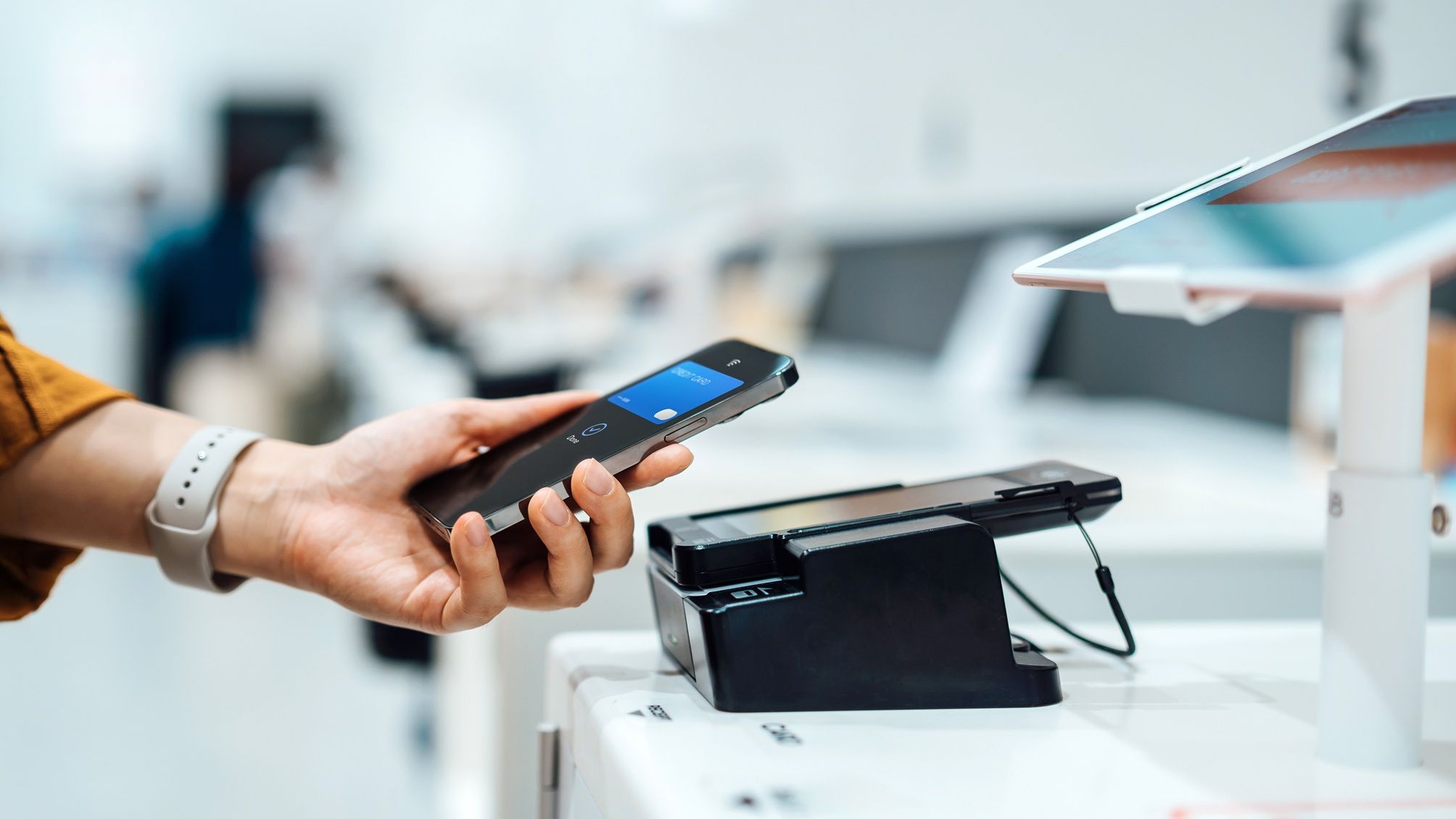
Digital payments refer to any transactions where money moves electronically rather than in cash. That means credit and debit cards, online bank transfers, e-wallets and mobile payments, such as Apple Pay and Google Pay, as well as Buy Now, Pay Later (BNPL) plans.
Charge cards emerged in the 1950s, followed by mass‑market credit cards in the 1960s and 1970s, and e-commerce in the late 1990s. But cashless payments have become standard over the past decade, since smartphones and contactless cards turned payments into taps.
Here’s the problem: When the way we pay changes, the way we think about spending changes, too. And that shift can affect our budgets and long-term financial goals.
Sign up for Kiplinger’s Free Newsletters
Profit and prosper with the best of expert advice on investing, taxes, retirement, personal finance and more – straight to your e-mail.
Profit and prosper with the best of expert advice – straight to your e-mail.
The psychology behind spending For decades, paying with cash created a natural pause. You took out your wallet, counted bills, felt them leave your hand and saw the remaining stack of cash get thinner. That small moment activated a real sense of loss and served as a natural check on spending.
Making digital payments with apps such as Venmo and Zelle smooths that friction away. Spending decisions happen faster and with far less thought.
As our spending has moved from bills and coins to cards and phones, we’ve lost some of those guardrails. The transaction is the same on paper, but it doesn’t register in the same way in our minds.
How digital payments make spending feel less real
Cash has weight and texture. Digital money doesn’t. That missing weight can quietly change our choices.
Not touching money severs a sensory link between cost and purchase. Without the visual of a thinning wallet, it’s easier to misjudge how quickly small buys add up.
Online retailers’ checkout flows are designed for near-zero friction. Stored cards, one-click buttons, autofill shipping and express wallets move you from want to “order placed” in seconds.
The design of digital checkouts drives impulse purchases. Convenience is deliberately engineered to keep transactions effortless.
Every tap and swipe is built to eliminate hesitation. The easier they make it to pay, the less time you spend weighing whether you actually need something. That speed is exactly what turns a passing want into a completed sale.
You can see the flip side in ecommerce data: Slow checkouts are the number-one reason shoppers bail, according to research from Baymard, with average cart abandonment hovering around 70%. Businesses remove friction because it works.
With cash, you see less money in your hand. With digital, you see a number in an app sometime later. Autopay and BNPL plans can further blur the picture, spreading the cost out and moving it away from the moment of purchase. In that way, the spending is real… but the sensation is faint.
What this means for your money
When purchases feel easier, two things often follow: Spending creeps up and awareness drifts down. That’s a tough combination for any household budget.
You can see the pattern in newer payment forms, too. BNPL options split a single cost into multiple future payments, keeping the initial checkout total low.
Research from the Consumer Financial Protection Bureau (CFPB) highlights the rapid adoption of BNPL. The CFPB has also raised concerns about late fees and the risk of juggling multiple payment schedules.
The frictionless nature of digital payments can quietly erode savings. That’s why consumers should reintroduce intentional pauses into their spending. The biggest danger isn’t a single large purchase. It’s the steady stream of small transactions that add up unnoticed.
Practical ways to make digital spending more visible:
- Turn on real‑time transaction alerts for every card and account
- Remove stored cards from browsers
- Use category caps and alerts in your budgeting app
- Adopt a 24‑hour rule for non-essential online purchases
These small moves help create a clearer picture of your spending. And they help keep your longer-term goals in focus, whether that’s paying off debt or building up your emergency fund.
The role of financial institutions and tech providers
Banks and fintechs helped make spending seamless. They can just as easily help make it understandable, starting with better defaults for users, such as real‑time push notifications on your smartphone that alert you to spending, or the option to set custom spending limits by merchant or category.
Ultimately, the goal isn’t to add friction for the sake of it, but to give users the visibility they need to stay in control.
Digital payments are here to stay because they’re fast and wildly convenient. However, they also make spending feel less real. Lower payment friction dulls the “pain of paying” and can nudge us toward buying more than we mean to.
As payments keep evolving, the need for personal guardrails will only grow. Take a few minutes this week to turn on smartphone alerts or add a couple of speed bumps that slow down your spending.
Small moves make digital payments feel real again. And that will help keep your financial plan on track in a world where paying gets easier every year.
