


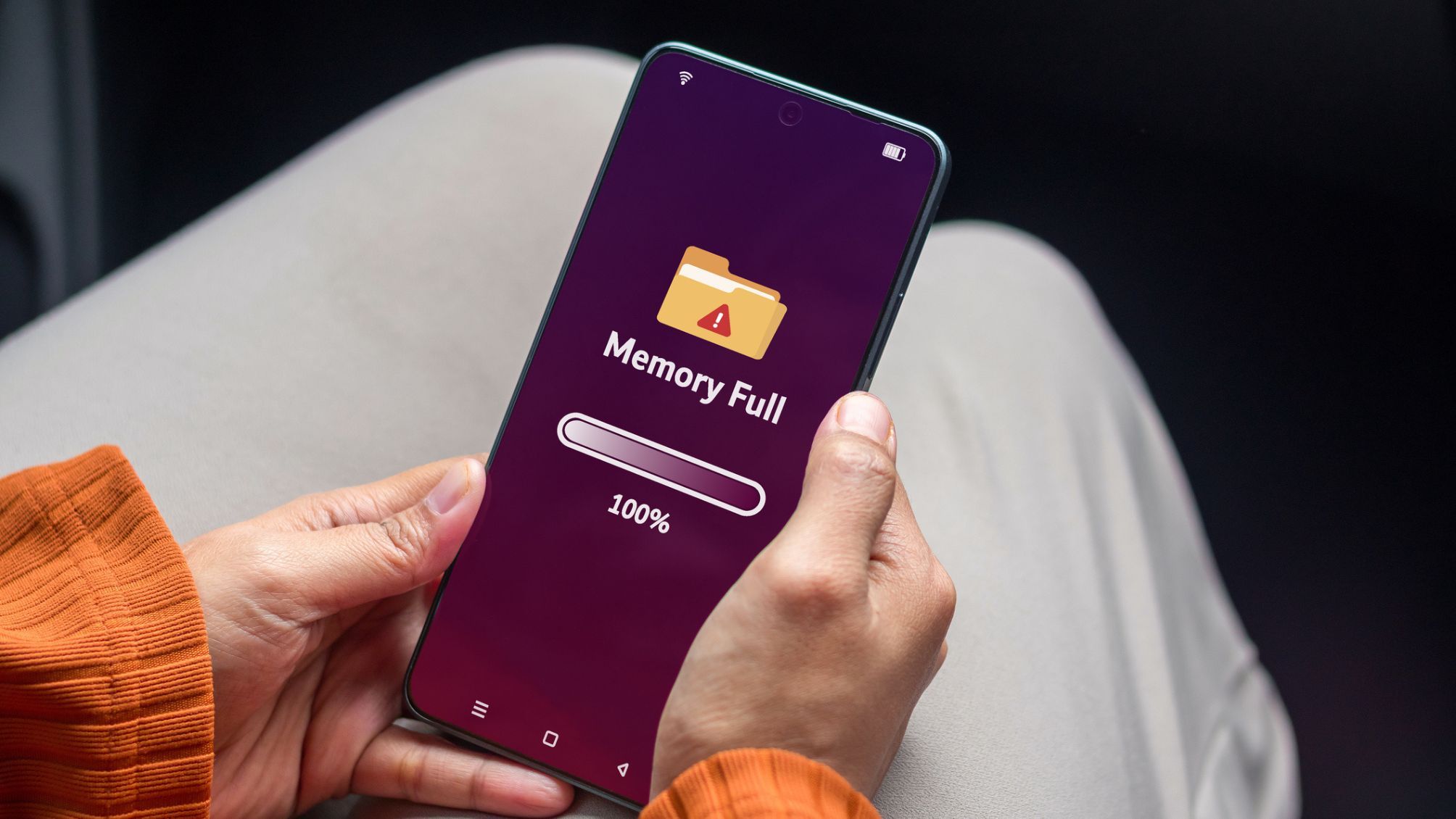
Google has updated its cloud storage policy for Android device backups. For existing users, the change will take effect 45 days after they receive Google’s notification email. Android device backups will count toward the 15 GB of free storage included with every Google Account. The company is also rolling out more detailed backup controls for devices running Android 9 and newer.
For many users, the impact may be small because photos, videos and other media files already count toward the same 15 GB storage limit. However, adding device backups could push some accounts closer to — or over — that cap.
If your account exceeds the free storage limit, your Android device will stop automatically updating its backups until you free up space or upgrade your storage. Checking how much storage you currently use can help you avoid interruptions once the policy takes effect.
Sign up for Kiplinger’s Free Newsletters
Profit and prosper with the best of expert advice on investing, taxes, retirement, personal finance and more – straight to your e-mail.
Profit and prosper with the best of expert advice – straight to your e-mail.
Who will notice the biggest impact?
Users who are already close to Google’s 15 GB free storage limit are likely to notice the biggest impact. If their account exceeds the storage limit, automatic backups will be paused.
People with years of Gmail, Google Photos and Drive files might also exceed the Google Storage cap when their device backup data counts toward the limit.
People who use multiple Android devices, such as a phone and tablet, may also see their storage fill more quickly. Every device under the same account syncs to the same storage space, so adding in backup data for multiple devices might push the account past the storage limit.
How to check your available Google storage

(Image credit: Timon Schneider/SOPA Images/LightRocket via Getty Images)
Google has started emailing Android users with details about the policy change, including how much Google storage they’ve already used and an estimate of how much space their device backup may require. You can also check your storage usage at any time.
To see how much storage you have available, sign in to your Google One account. Your dashboard shows how much of your 15 GB of free storage you’ve used and breaks down what’s consuming that space.
Gmail, Google Drive and Google Photos all count toward your storage limit. Reviewing the breakdown can help you identify opportunities to free up space before the new backup policy takes effect.
What happens if you run out of storage?
If the new backup policy pushes your account over the storage limit, some Google services may stop working until you free up space or upgrade your storage plan.
Your Android device’s automatic backups may be paused, Gmail may stop receiving new emails, Google Drive uploads could fail and Google Photos may stop syncing new photos and videos.
Five ways to avoid paying for more storage
While you can pay to increase your Google storage, there are workarounds that can help keep your storage functioning without you having to pay:
- Delete unnecessary files from Google Drive: Large Google Drive files can quickly eat into your storage capacity. Go through your Google Drive account and delete any unnecessary files. Deleted files are stored in your Trash folder for 30 days, so be sure to go to the Trash folder and permanently delete the files to free up the storage.
- Remove large email attachments: Large Gmail attachments can take up extra storage. The Google One Storage Manager allows you to identify and delete the largest email attachments.
- Clean up Google Photos: Go through your Google Photos and delete any photos you no longer need. The deleted images will sit in your Trash folder, so be sure to delete them from the Trash folder to free up storage.
- Review what your phone backs up: Use the Google One app or your Android phone’s backup settings to review what’s backed up. If certain apps take up a lot of storage, you can toggle those apps off so they aren’t backed up.
- Delete old device backups you no longer need: You can use the Google One app to delete old device backups that you no longer need to free up more space.
When paying for Google One makes sense
While there are several ways to free up storage and avoid paying for additional space, upgrading to a Google One plan may be worthwhile in some situations.
Google One offers four paid storage tiers ranging from 100 GB to 2 TB. Plans cost $1.99 to $9.99 per month, and you can save about 16% by paying annually instead of monthly.
A paid plan may make sense for households with multiple Android devices sharing the same Google Account or for people who rely heavily on Google Photos and regularly store large files in Google Drive.
It can also be worthwhile if you’d rather not constantly manage your files to stay under the free 15 GB storage limit. Some Google One plans include additional perks, such as access to the Gemini app and Google Flow AI, making an upgrade worthwhile for users who want those premium features.
Preparing for the Google Storage changes
Google has started emailing Android users about the upcoming storage policy change. Once you receive the email, you’ll have 45 days before the new policy takes effect for your account, giving you time to review your storage usage, free up space if needed and prepare your device.
Taking the time to review your storage usage now can help ensure a smooth transition and uninterrupted use of your device once the storage policy change takes effect.
