


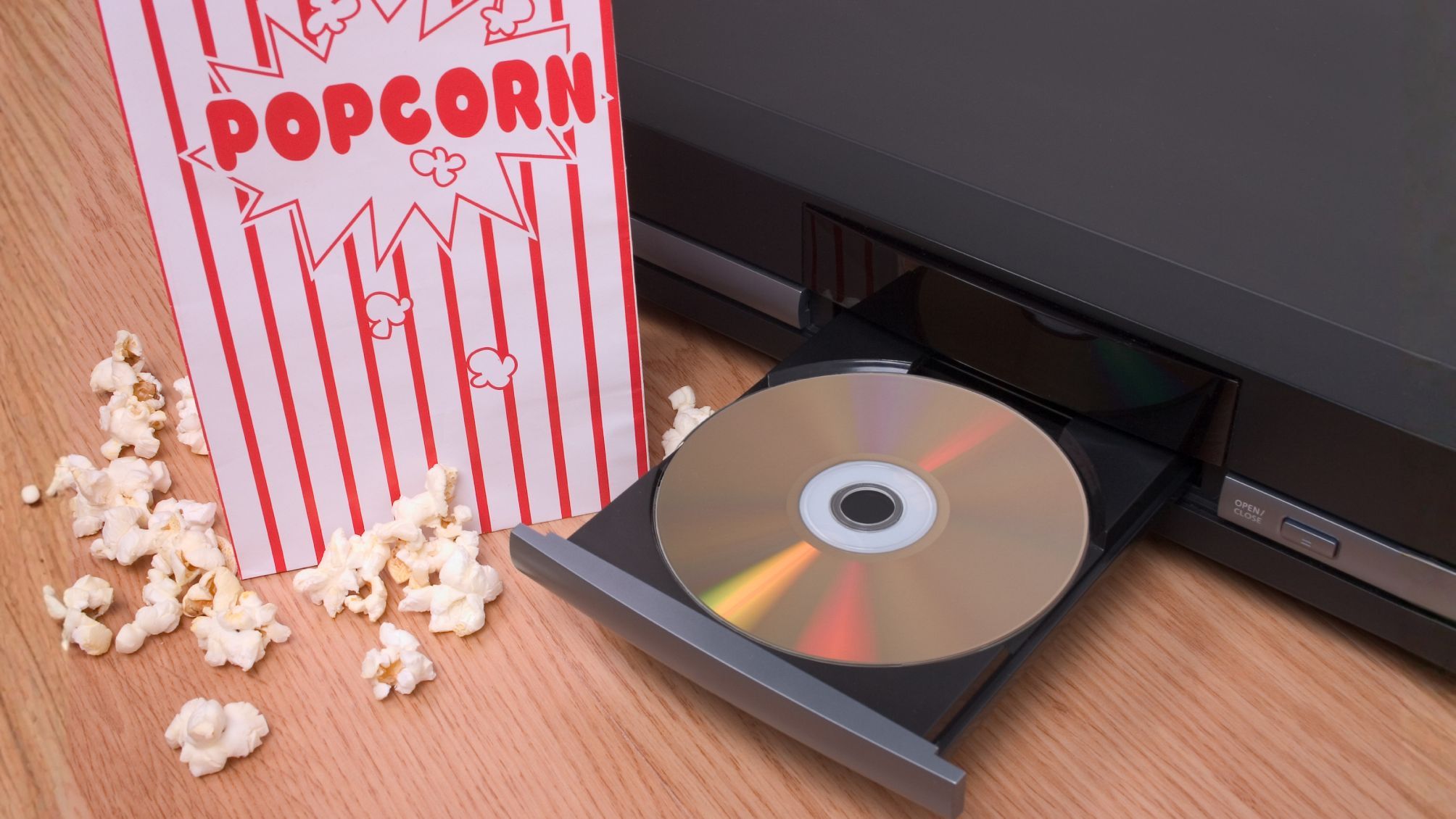
For years, people have been encouraged to build digital libraries of movies, TV shows, music and books. Buying a movie online seems just as permanent as buying a DVD, until it suddenly isn’t.
A recent licensing dispute involving Sony has reignited the debate over digital ownership after hundreds of purchased movies disappeared from customers’ libraries. While streaming and digital downloads remain incredibly convenient, many customers are realizing that clicking “Buy” often doesn’t provide the same ownership rights as purchasing a physical copy.
That realization is helping fuel an unexpected comeback for DVDs, Blu-rays and other physical media. As subscription costs rise and digital content becomes less predictable, owning a tangible copy is beginning to look like a smart financial decision rather than a nostalgic one.
Sign up for Kiplinger’s Free Newsletters
Profit and prosper with the best of expert advice on investing, taxes, retirement, personal finance and more – straight to your e-mail.
Profit and prosper with the best of expert advice – straight to your e-mail.
The Sony situation is a reminder that digital ownership has limits
Sony recently removed access to roughly 500 movies from users’ digital libraries after a licensing agreement ended. Many affected customers had purchased the movies years earlier believing they would have permanent access. Instead, those titles simply disappeared from their collections.
While the situation frustrated customers, it also highlighted something that many people don’t realize when they purchase digital content: in many cases, you’re buying a license to access a movie and not ownership of the movie itself.
When you purchase a DVD or Blu-ray, you own that physical copy and can watch it whenever you like. With digital purchases, access depends on licensing agreements between retailers, studios and distributors. If those agreements change, your access can change too.
That’s not unique to Sony. Other digital storefronts have also removed purchased content over the years when licensing deals expired or services shut down, reminding consumers that digital ownership often comes with important limitations.
Why your digital purchases can disappear

(Image credit: Getty Images)
Most digital purchases work differently than traditional ownership. Instead of buying the content outright, you’re typically purchasing the right to access it through a specific platform under certain conditions.
Several situations can cause that access to disappear:
Licensing agreements expire
Movie studios frequently renegotiate distribution rights. If a retailer loses the rights to host certain content, customers may also lose access depending on the licensing terms.
Platforms can shut down
Digital storefronts don’t last forever. If a service closes or eliminates support for purchased content, subscribers may have limited options for recovering their libraries.
Rights change hands
Studios regularly merge, sell content libraries or shift distribution strategies. Those business decisions can affect where and whether certain titles remain available.
Account problems happen
Forgotten passwords, hacked accounts or violations of platform policies can temporarily or permanently affect access to purchased digital libraries.
While many companies work to preserve customer purchases whenever possible, the reality is that digital libraries depend on businesses continuing to operate and maintain the necessary licensing agreements.
DVDs and Blu-rays once seemed destined for extinction. But today, they’re quietly returning to store shelves, and into collectors’ homes.
Even younger movie fans who grew up with streaming are discovering the appeal of owning physical media. Some are browsing thrift stores, used bookstores and secondhand retailers looking for inexpensive DVD collections.
Several factors are driving renewed interest.
Subscription fatigue
Many households now pay for multiple streaming services every month. Instead of subscribing to five or six platforms indefinitely, some people are choosing to purchase the movies they know they’ll watch repeatedly.
Movies disappear from streaming
Streaming catalogs constantly rotate. A favorite movie available today may disappear next month when licensing agreements change, forcing viewers to rent it elsewhere, or wait for it to return.
Better picture and sound quality
For home theater enthusiasts, 4K Blu-ray discs often deliver higher video bitrates and lossless audio that exceed what many streaming services can provide.
If you’ve invested in a large television or surround sound system, physical media can still offer the best viewing experience.
Collectability
Special edition releases, director’s cuts, collectible steelbook editions and bonus features continue to appeal to movie fans.
Reliable offline access
Physical media works without internet outages, buffering or changing licensing agreements. Whether you’re traveling, living in an area with slower internet or simply want dependable access, DVDs and Blu-rays provide peace of mind.

(Image credit: Getty Images)
Not every movie belongs on your shelf. But buying physical copies can save money in certain situations.
- Movies you watch every year: If you rewatch the same films multiple times, buying a DVD or Blu-ray once may cost less than repeatedly renting or subscribing to services that carry it.
- Children’s favorites: Parents know children often watch the same movie dozens of times. Owning those titles avoids the frustration of discovering they’re no longer available on your streaming service the day your child wants to watch them.
- Holiday classics: Many families revisit the same holiday movies every season. Purchasing physical copies guarantees they’ll be available every December regardless of streaming rights.
- Hard-to-find films: Independent movies, older classics and niche documentaries often rotate on and off streaming services, or disappear entirely. Collectors who value these titles may prefer owning them outright.
- Box sets and special editions: Complete television series, anniversary collections and bonus-feature editions often provide extras unavailable through streaming platforms.
When streaming is still the better value
Physical media isn’t replacing streaming for everyone. Streaming continues to make financial sense in many situations.
Casual viewing
If you only plan to watch a movie once, streaming or renting is usually much cheaper than purchasing a physical copy.
Discovering new content
Streaming services offer thousands of movies and shows for a single monthly subscription, making them ideal for viewers who enjoy exploring new releases.
Convenience
There’s no need to store discs or switch media between movies. Streaming also makes it easy to watch across multiple devices while traveling.
Lower upfront costs
Building a large DVD or Blu-ray collection requires an initial investment.
For many households, paying one monthly subscription remains the more affordable option, especially if they watch a wide variety of content.
Streaming isn’t going anywhere, and for many households it remains the easiest and most affordable way to watch movies and television. But the recent Sony incident serves as an important reminder that digital purchases don’t always provide permanent ownership.
For favorite films, family classics or movies you plan to revisit for years, buying a physical copy can offer something streaming can’t guarantee: lasting access that’s not dependent on licensing agreements, internet connections or the future of a digital platform.
In an era where “Buy Now” often means “License Until Further Notice,” owning a DVD is starting to feel like true ownership again.
