


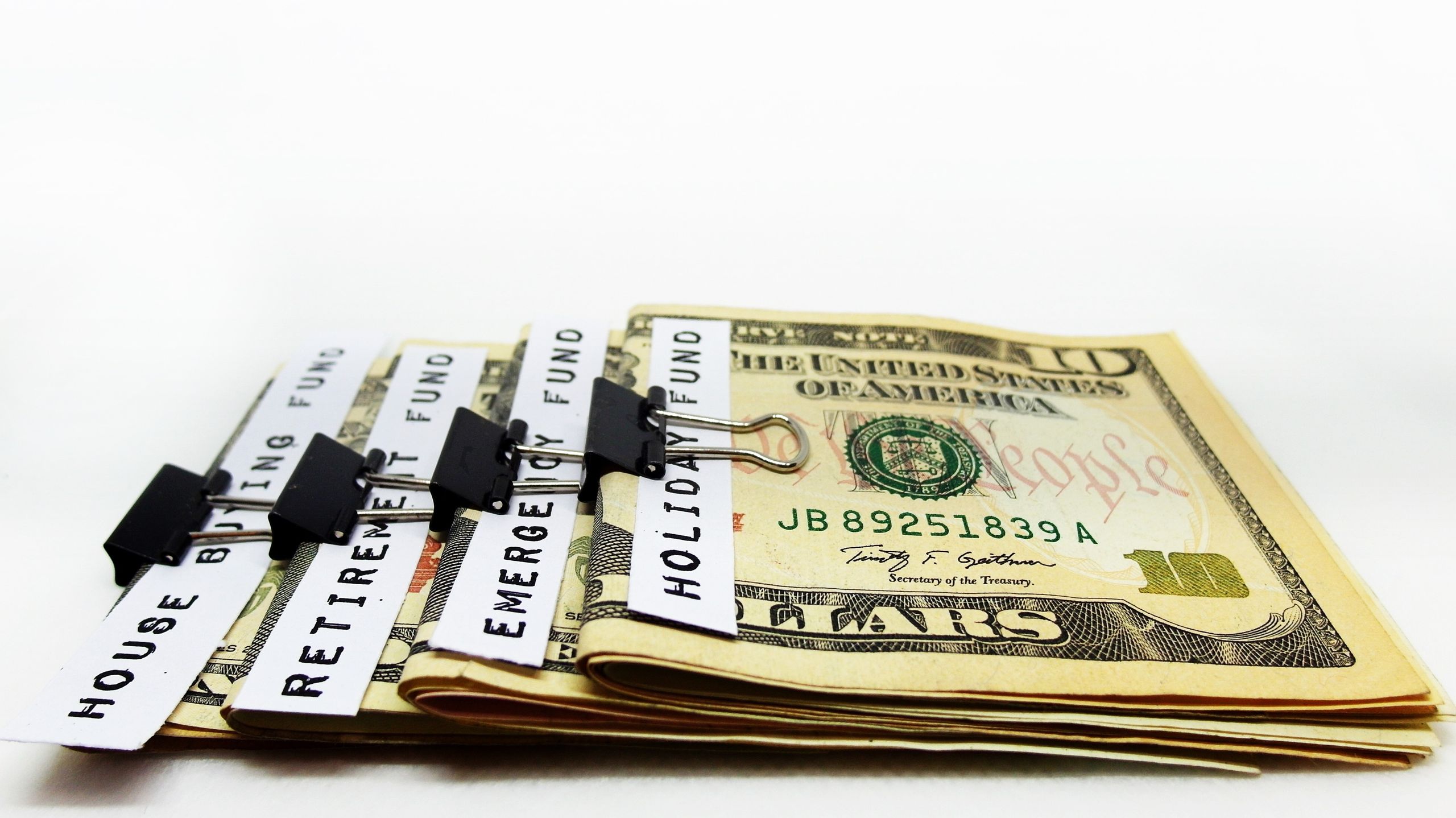
Being frugal is generally a great thing. It’s a way of being more intentional about how you spend so that you can build wealth faster by avoiding wasteful spending habits. But there are some seemingly frugal habits that are never worth it and some that only make sense when you’re in the wealth-building phase of your life.
In the pursuit of maximum savings, you may have been practicing the following frugal habits. If so, that’s fantastic. They definitely helped you get where you are today.
But as you approach retirement or otherwise reach the level of wealth you’ve been working toward, it may be time to retire these three frugal habits and shift your mindset toward one of maximizing the value of your spending.
Sign up for Kiplinger’s Free Newsletters
Profit and prosper with the best of expert advice on investing, taxes, retirement, personal finance and more – straight to your e-mail.
Profit and prosper with the best of expert advice – straight to your e-mail.
1. Aggressive saving
For most of your career, the more you could set aside in savings, the better. Finding little ways to cut your budget and live below your means in this phase of your life can ensure that you’re financially secure and able to live out your dream retirement later.
However, once you’re retired or you’ve already hit your retirement savings goal, it’s time to get yourself out of the aggressive savings mindset that worked in your favor in the past. Instead, switch into the mindset of enjoying the wealth you worked so hard to build.
This can be a hard transition to make – especially when you’ve gotten so used to watching your retirement fund grow over the years that seeing it shrink as you withdraw can be anxiety-inducing.
Of course, you don’t want to blow all your savings on a yacht and then be broke for the rest of your retirement. But as long as you know how much you can sustainably spend each year, spend it.
Instead of carving out a portion of your monthly budget for savings, the focus now is on identifying a reasonable fixed income you can live on and making sure that includes a little wiggle room for emergencies. You can revisit this each year to decide if your current withdrawal amount is still sustainable, but there’s no reason to hoard that cash or aggressively stash more away after you’ve hit your savings target.
If you’re struggling to switch mindsets or not feeling confident that the fixed income you’ve planned for is truly sustainable, it helps to talk with a financial planner who can review your situation and help you develop a personalized spending plan.
2. Paying for things with cash or debit
As a young adult, it’s smart to avoid using credit cards or only use them in limited situations to build your credit. When you’re still learning how different financial tools work, how to make (and stick to) a budget, and how to plan for longer-term financial goals, credit cards can come with more risk than they’re worth.
However, when you’ve built up your credit and honed those disciplined spending skills, sticking strictly to cash or debit payment methods is like leaving money on the table.
Instead, you should be building a custom mix of rewards credit cards to maximize cash back and points based on the way you spend. I earn hundreds each year in cash back on gas and groceries, for example, and thousands of points on my travel credit card. None of that requires changing my spending habits. All I’m doing is taking a few seconds to make sure I’m swiping the right credit card for each purchase.
If you’re new to the world of rewards credit cards, your best bet might be starting with something more all-purpose – where the earnings are the same across every spending category – and, ideally, something without an annual fee so you can build the habit without worrying about whether or not you’re earning enough to justify an annual fee.
3. Buying basic economy fares
If you travel infrequently, the best value is often in basic economy, especially if you’re not the type to care about luxury perks like lie-flat seats or airport lounge access. These fares often won’t earn you points or miles, and many don’t include things like baggage or seat selection. But you can often get around the extra fees by not bringing a checked bag and being flexible about your seat assignment.
Upgraded fares make the most sense for those who are focused on earning points or those who travel often enough that the inconveniences and add-on fees that come with basic economy are annoying enough that upgraded fares are worth it.
If you have no intention of traveling more often once you reach your financial goals, this might be a frugal habit worth keeping. But if your dream retirement involves a bucket list of travel destinations, it’s time to start comparing frequent flyer programs and travel credit cards so that you’re earning points on every trip.
In order to earn points, you might not be buying the cheapest fares anymore, but you’re usually getting other perks like free checked bags, free companion fares and, of course, the points that add up to free flights or hotel stays. As long as you do the math and choose the programs that best fit your travel style, these programs can end up being an even more frugal choice than basic economy fares.
