


Recent changes in the housing market bring good news for home buyers. According to Realtor.com’s June 2026 housing trends report, asking prices are easing and buyers have more leverage than they’ve had in recent years.
The national median listing price was $430,000 in June, down 2.5% year-over-year. It marks the eighth consecutive month of year-over-year asking price decline.
Falling asking prices may be a sign that sellers are becoming more flexible. Rather than holding out for pandemic-era prices, they’re adjusting to current market conditions, giving buyers more opportunities to negotiate and some welcome relief on price.
Sign up for Kiplinger’s Free Newsletters
Profit and prosper with the best of expert advice on investing, taxes, retirement, personal finance and more – straight to your e-mail.
Profit and prosper with the best of expert advice – straight to your e-mail.
1. More sellers are cutting prices

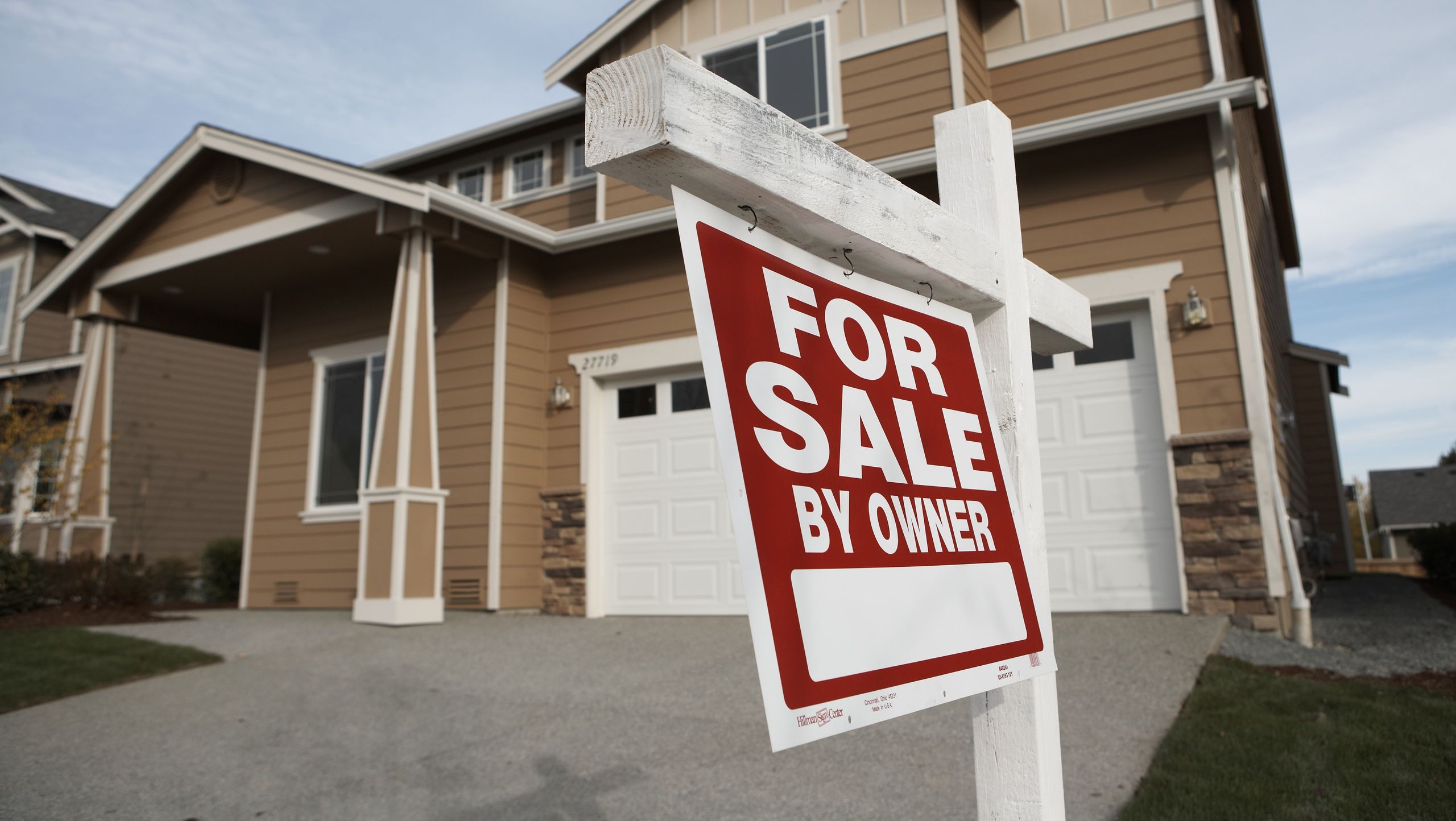
(Image credit: Mel Melcon/Los Angeles Times via Getty Images)
An increase in price cuts is an encouraging sign for buyers. In June, about 18.8% of active listings had a price reduction, suggesting that more homes are sitting on the market longer and sellers may be becoming more willing to negotiate.
Buyers can use that information to their advantage. A home’s price history, the number of days it has been on the market and any previous price reductions can all help you gauge how much negotiating power you have.
If a property has been listed for several weeks or has already seen multiple price cuts, you may have room to negotiate a lower purchase price or ask the seller to cover closing costs, pay for repairs or offer other concessions.
2. Buyers have more homes to choose from
According to the report, active home listings increased 1.9% year over year and 4.1% from May. More homes on the market give buyers more options and reduce the pressure to make rushed decisions or waive important protections, such as a home inspection.
Increased inventory can also reduce competition, making bidding wars less common and giving buyers more room to negotiate. Even so, inventory remains below pre-pandemic levels nationally, and conditions vary widely by region.
In the South and West, active listings now slightly exceed pre-pandemic levels, giving buyers considerably more choice. In contrast, the Northeast continues to face a significant housing shortage, with active listings still 47.3% below pre-pandemic levels, the largest inventory gap in the country.
3. Homes are no longer taking longer to sell

(Image credit: Getty Images)
For the past 26 months, homes took longer to sell than they had a year earlier, but that trend leveled off in June. The median home spent 53 days on the market, unchanged from the same month last year. While homes aren’t lingering longer than they were a year ago, time on the market remains an important indicator for buyers.
A home’s listing history can provide valuable clues about a seller’s motivation. Properties that have been on the market for 60 days or longer may be overpriced or attracting less buyer interest, making sellers more open to negotiating. Even homes that have been listed for 30 days without an offer may present opportunities to ask for a lower purchase price, seller-paid closing costs or other concessions.
Rather than focusing only on the asking price, look at how long the home has been listed, whether the price has been reduced and how similar homes in the area have sold. Together, these factors can help you decide how aggressive to be with your offer.
4. The summer slowdown could work in your favor
Buyers shopping this summer may have another advantage: the seasonal slowdown. Housing activity often cools in July as vacations, family schedules and the back-to-school season pull attention away from home shopping. June’s increase in price reductions and slower pace of new listings suggests that seasonal shift may already be underway.
A slower market can give buyers more breathing room to compare homes, negotiate with sellers and avoid the intense competition that’s common during the spring buying season.
If listings continue to linger on the market and price reductions become more common, buyers may find even more opportunities to negotiate on price, closing costs or other seller concessions.
5. Your local market matters most

(Image credit: Getty Images)
While buyers have more room to negotiate in many parts of the country, market conditions still vary widely by region. Since the national price peak in June 2022, asking prices have fallen 7.3% in the West and 3.5% in the South.
In contrast, asking prices have continued to rise, increasing 10% in the Midwest and 12.6% in the Northeast.
That’s why national housing headlines only tell part of the story. Before making an offer, research what’s happening in your local market. Review recent comparable sales, track how long homes are staying on the market and pay attention to price reductions in the neighborhoods you’re considering.
A local real estate agent can also help you understand current market conditions and advise how aggressively to negotiate.
How to use your leverage when making an offer
Knowing you have more negotiating power is only half the equation. Using that leverage strategically can help you secure a better deal without stretching your budget. Before making an offer, keep these tips in mind:
- Research comparable sales. Look at recent sales in the neighborhood, how long the home has been on the market and whether the seller has already reduced the asking price. These details can help you determine how competitive your offer needs to be.
- Lean on your real estate agent. A local agent can provide insights into market conditions, recent comparable sales and the seller’s negotiating position to help you decide on a fair offer.
- Negotiate more than the price. Depending on the market, you may be able to ask the seller to cover closing costs, make repairs before closing or provide credits after the home inspection.
- Don’t rush to waive contingencies. Unless you’re competing in an exceptionally hot market, think carefully before giving up protections such as a home inspection just to strengthen your offer.
- Keep affordability first. More negotiating power doesn’t automatically make a home affordable. Before shopping, determine how much home you can comfortably afford based on your income, expenses and long-term financial goals. If a home still stretches your budget after negotiations, it’s better to walk away than overextend yourself financially.
Your mortgage interest rate plays a major role in your monthly payment.
Use the tool below, powered by Bankrate, to compare today’s top mortgage offers:
