


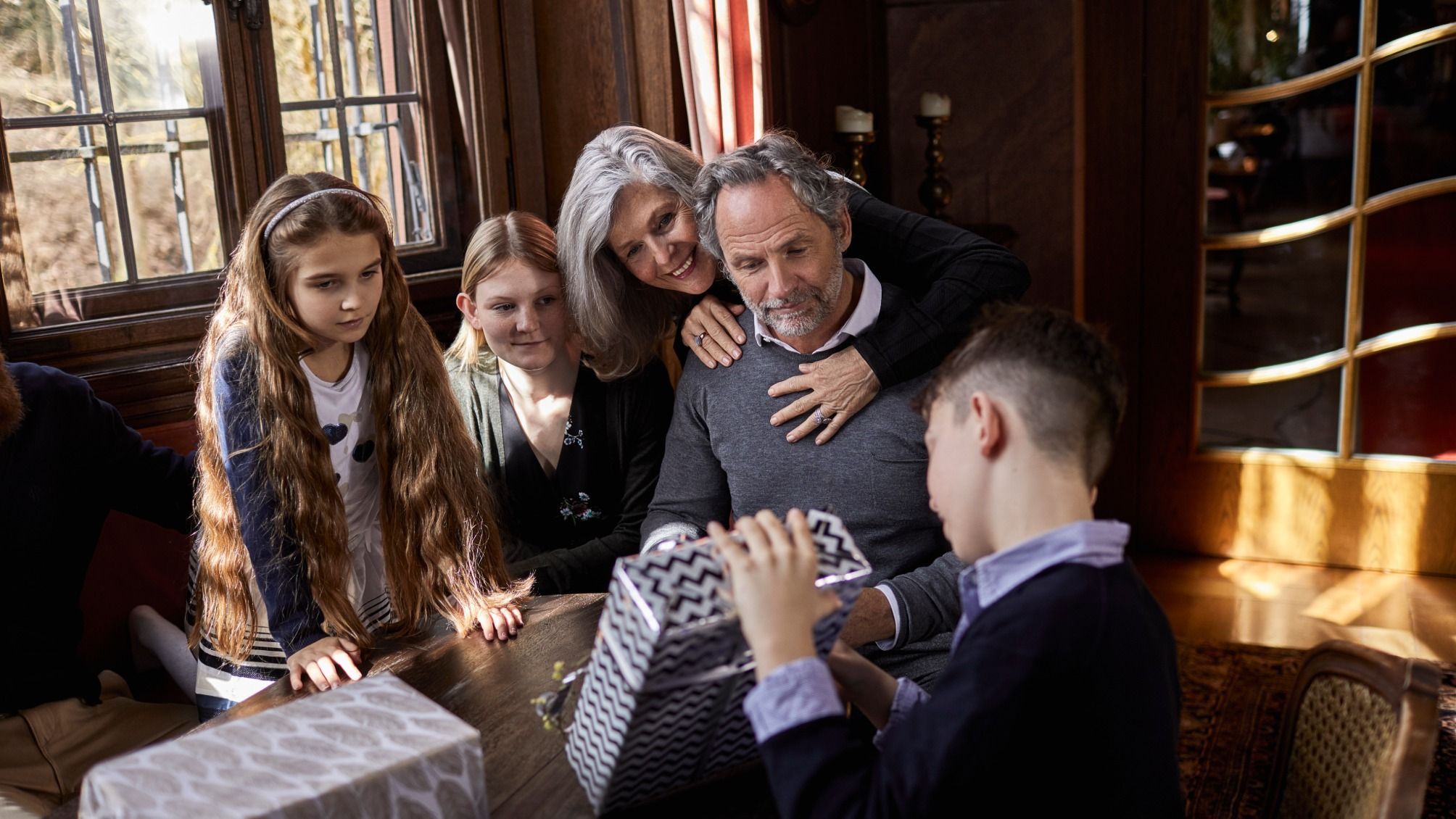
Picture a family sitting around the table for Thanksgiving dinner. They chat, laugh and enjoy the thoughtfully prepared meal. As they finish, the conversation shifts to what each family member is thankful for. They talk about gratitude in the context of family values and decide which charities to support during the holiday season.
Conversations like this can engage children in charitable giving early on. And while every family’s discussion will be different, taking this kind of intentional approach is an essential first step in building and maintaining a lasting charitable legacy.
This is a hot topic for many families. After a decade of buildup, most agree that the Great Wealth Transfer is underway. According to Cerulli Associates, $124 trillion will be transferred by 2048. Most of that will come from baby boomers, and an estimated $18 trillion is expected to go to charitable causes.
Sign up for Kiplinger’s Free Newsletters
Profit and prosper with the best of expert advice on investing, taxes, retirement, personal finance and more – straight to your e-mail.
Profit and prosper with the best of expert advice – straight to your e-mail.
Those who want to use the Great Wealth Transfer to build a meaningful legacy will need to focus on two distinct priorities. The first is effectively navigating tax provisions and making the right decisions around asset transfers — an elemental part of financial planning that requires constant vigilance.
The second is building an efficient succession plan that empowers heirs and future generations to carry the legacy forward.
Passing on assets, values and processes
Younger generations stand to inherit more than money. The biggest hope might be that they inherit some of the values and priorities that helped shape how their elders gave. But they often inherit the family process for charitable giving.
For families with a private foundation, this could mean board meetings, administrative responsibilities and managing considerable overheads. These systems may have worked for older generations, but they can feel confusing and burdensome to successors.
To make matters more complicated, many families will experience multiple inheritances as money passes from one generation to another. Married couples may leave money to their spouse as well as their children, for example. In fact, research suggests that $54 trillion will be passed on to widowed spouses as part of the Great Wealth Transfer.
Older spouses must therefore discuss their priorities and plans for how money will pass down. They can then begin talks with the next generation — and advisers — about how to make the process of charitable giving as effective and impactful as possible.
Using a flexible giving vehicle
When considering different approaches to transferring wealth, look for those that offer flexibility. Some families want to empower future generations while retaining some control, for example. A donor-advised fund (DAF) can be a useful tool for this kind of cross-generational giving.
A DAF offers a powerful framework for streamlining and managing elements of inheritance and sustained charitable giving. Specifically, a DAF’s structure allows families to combine two common tactics in charitable succession planning: Bestowing to others and endowing to charity.
Bestowing to others enables future generations to assume account privileges and begin making strategic philanthropic decisions. With a Vanguard Charitable DAF, for example, up to two individuals (often a spouse or a child) can be named successor advisors.
The account can then be split into multiple new accounts, allowing families to segment funds and responsibilities how they see fit.
Endowing directly to charity, on the other hand, allows older generations to retain decisions about giving, even after they pass or no longer control the account. You can do this by recommending recurring grants from the DAF. These schedule repeating grants to one or more charities based on a percentage of remaining account assets.
Another benefit of a DAF is that it can accept assets from a private foundation. This simplifies administration, which can relieve many of the burdens inheritors may resist. It also establishes a clear structure for balancing giving priorities by bestowing to others and endowing to charity.
How to navigate family dynamics
With the right plan and giving tools in place, successions and inheritances become an opportunity to pass down one’s priorities and lessons alongside wealth. But what happens when families don’t agree on values and struggle to create a meaningful path forward?
There is no one-size-fits-all solution, as every family has its own dynamics to navigate. However, there are some best practices to keep in mind.
Incorporate responsibilities in stages. Just as a child’s introduction to finances is traditionally an allowance, then a checking account, then perhaps a credit card, charitable giving and grantmaking can be taught in incremental steps. This can include opening a smaller DAF or another charitable vehicle to help younger generations better understand the process.
Create opportunities for conversation. Charitable giving is a significant and rewarding part of life for many individuals and families. Making time for conversations around philanthropic priorities and how they may evolve over time is critical.
No two families are alike. Those Thanksgiving and dinner table talks will vary. But creating a plan with the right tools and communicating that plan with younger generations — is a powerful way to create and maintain an impactful charitable legacy.
