


In-brief analysis
July 15, 2026
Data source: Bloomberg L.P.
Note: 2Q26=second quarter of 2026
Petroleum markets in the second quarter of 2026 (2Q26) were characterized by continued disruptions to international crude oil and petroleum product flows through the Strait of Hormuz, contributing to higher and more volatile crude oil prices through most of the quarter. The disruptions also resulted in international buyers seeking alternative supply sources for petroleum products, driving up U.S. refinery margins, production, and exports.
Crude oil prices and inventories
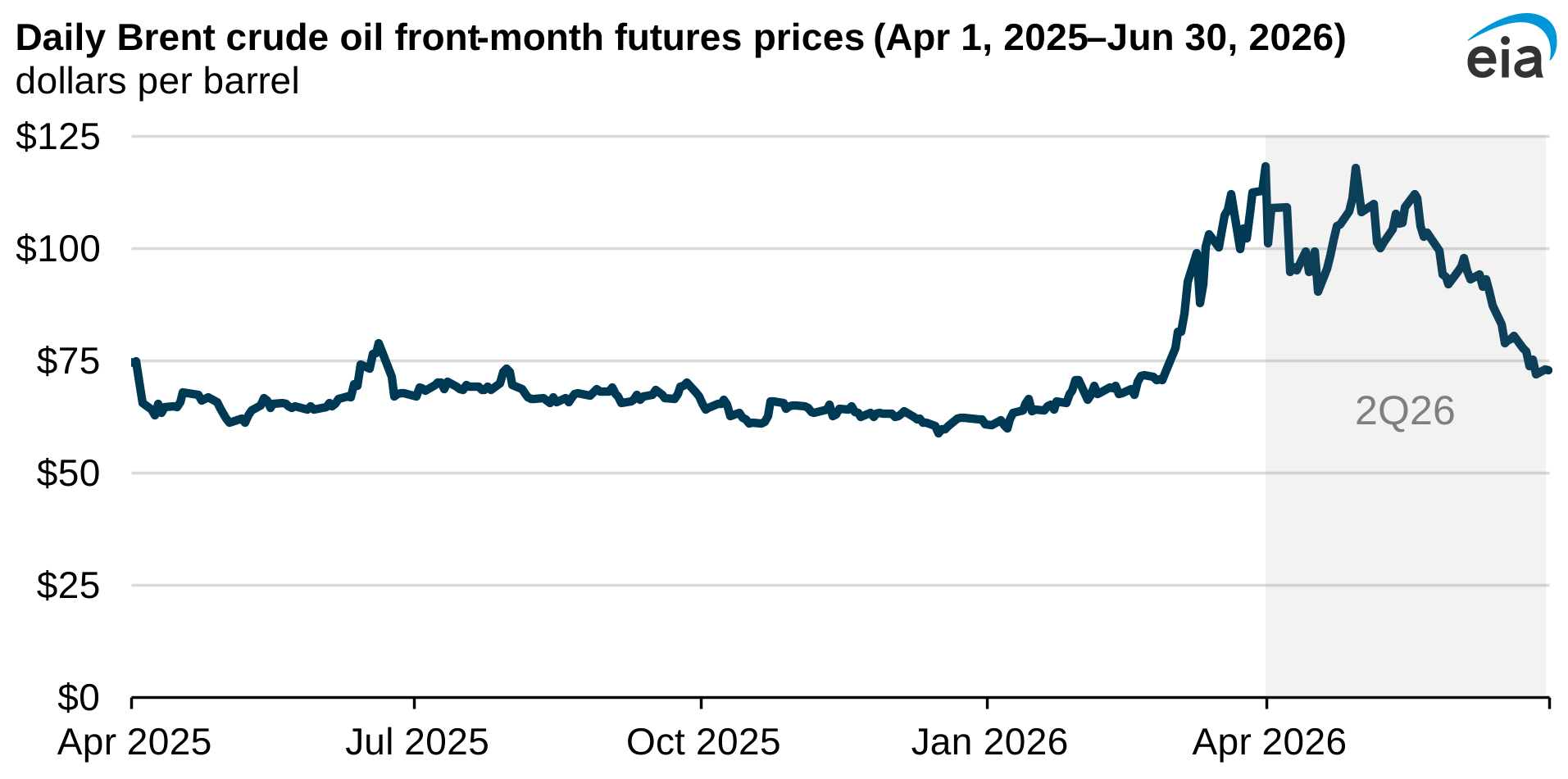
The front-month futures price of Brent crude oil traded in a wide range in 2Q26, reaching a high of $118 per barrel (b) on April 29 and falling to a low of $72/b on June 26.
The price of Brent crude oil began the quarter above $100/b, as disruptions to international crude oil flows through the Strait of Hormuz reduced access to crude oil for much of the world and led many countries in the Middle East to shut in crude oil production. Uncertainty around reopening the Strait of Hormuz to shipping traffic contributed to highly volatile prices in April and May, with an average daily price swing of $4/b in the Brent crude oil price, compared with $1/b in the same months in 2025. From May 18 to June 17, negotiated ceasefires and growing market anticipation for the resumption of shipping traffic through the Strait of Hormuz led the Brent crude oil price to decline by an average of more than $1/b per day (d). On June 17, the United States and Iran signed a Memorandum of Understanding (MOU) that, among other things, sought to resume traffic through the Strait of Hormuz. Following the signing of the MOU and an increase in crude oil tanker movements through the strait, Brent crude oil prices generally declined in the remainder of the quarter. In the first two weeks of the third quarter, prices increased following renewed military strikes and uncertainty over the agreement.
Crude oil prices declined in the second half of the quarter despite large global crude oil inventory draws. In our July Short-Term Energy Outlook, we estimated 2Q26 average global crude oil inventory declines of 5.1 million b/d. Crude oil inventories also declined in the United States, where commercial stocks declined from above the seasonal five-year (2021–2025) average at the beginning of the quarter, to its lowest seasonal level since 2014 at the end of the quarter. Record crude oil exports and high refinery runs were key drivers behind U.S. inventory drawdowns.
Refinery margins
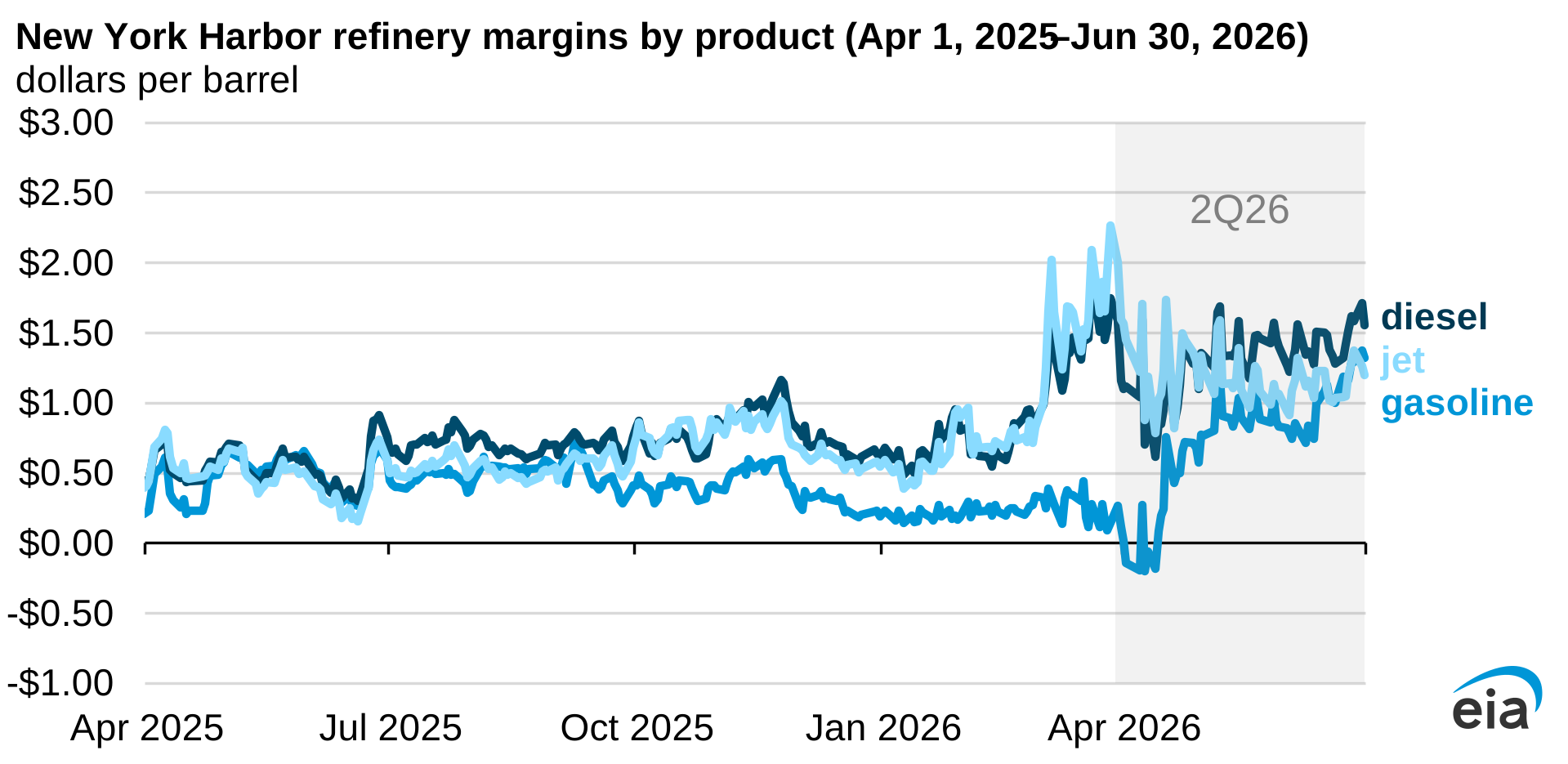
U.S. refineries ran at unseasonally high levels in 2Q26, processing the most crude oil for the quarter since 2019, when refining capacity was 4% higher. High refinery inputs reflected strong margins for transportation fuels. Motor gasoline, distillate, and jet fuel crack spreads—measures of the refinery margins for these fuels—were all elevated, with the quarterly average gasoline crack spread up 60% from the year-ago level, and the distillate and jet fuel crack spreads more than double their year-ago levels as a result of tight international supply.
Data source: Bloomberg L.P.
Note: The crack spreads reflect the New York Harbor spot prices for RBOB, ultra-low sulfur diesel, and jet fuel minus the Dated Brent Spot price.
Petroleum product exports
U.S. distillate and jet fuel exports reached record highs in the second quarter as disruptions to supplies through the Strait of Hormuz also tightened global refined product markets. We estimate 2Q26 distillate exports averaged 1.56 million b/d, 30% higher than the five-year average, and jet fuel exports averaged 356,000 b/d, more than double the five-year average. Compared with 1Q26, U.S. distillate shipments increased to all major export markets, according to data from Vortexa. Jet fuel exports increased substantially to Europe, while remaining about the same to most other destinations.
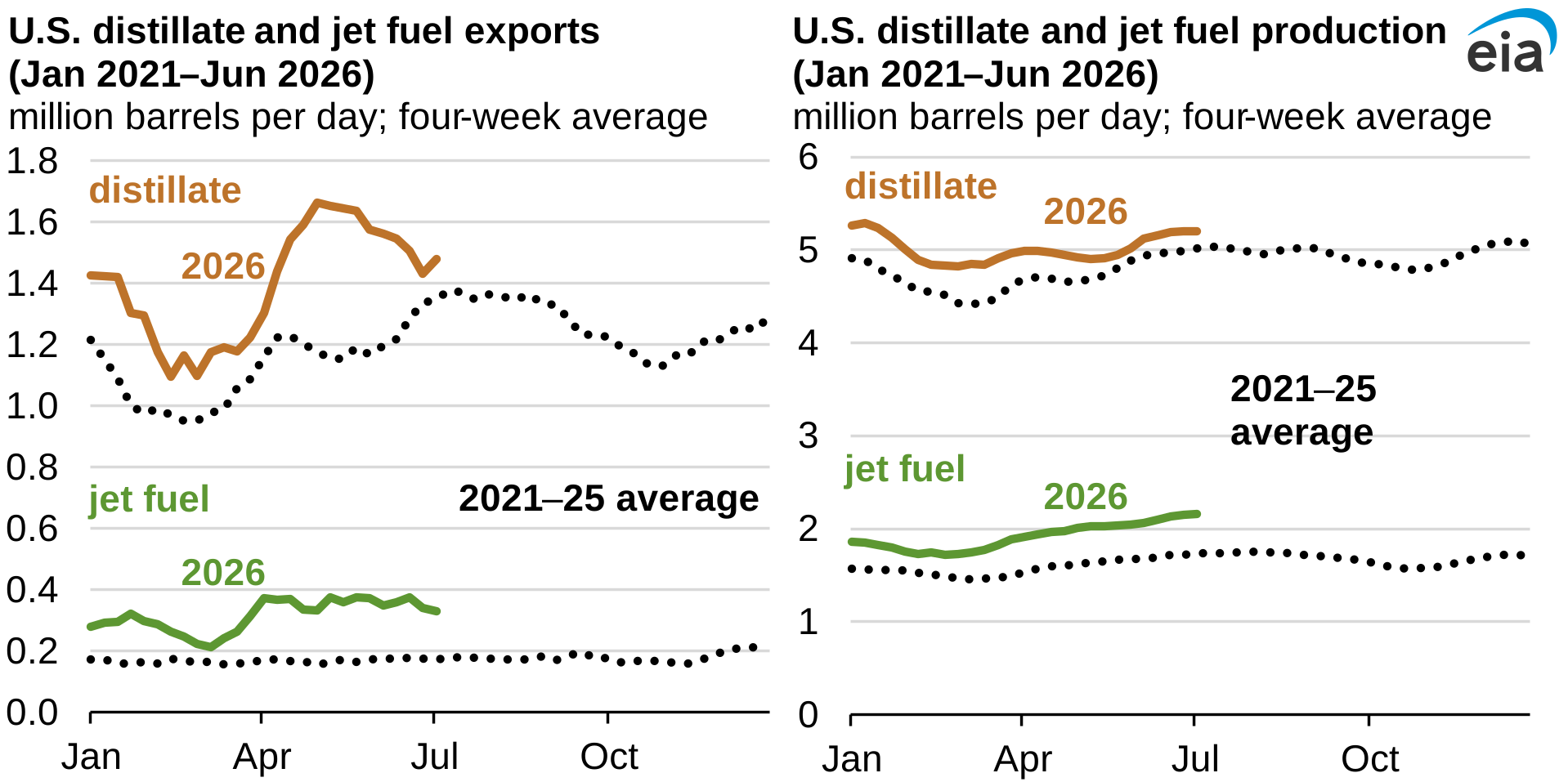
Higher global demand to replace lost jet fuel volumes led some refiners to shift their refinery yield to maximize jet fuel output for exports. Refiners can adjust product yields in response to changing market conditions by varying refinery processes and the types of crude oil they refine. In the United States, refineries typically optimize production for motor gasoline to meet domestic demand. In 2Q26, we estimate jet fuel production was 24% higher than the five-year average because of higher refinery runs and higher jet fuel yields. Distillate production was 5% higher and motor gasoline production was only 1% higher over the same period.
Principal contributors: Jimmy Troderman, Alexander de Keyserling
