


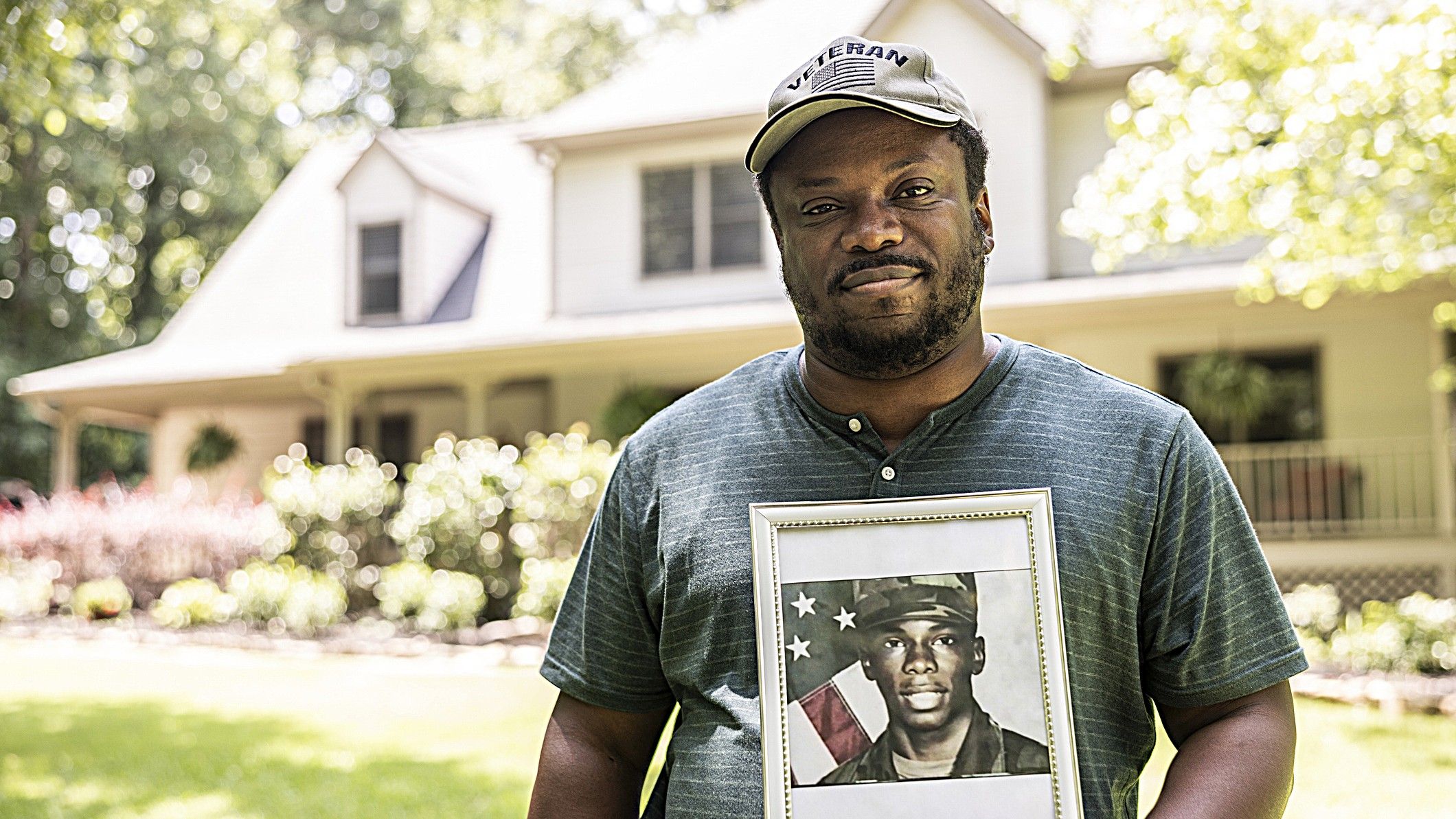
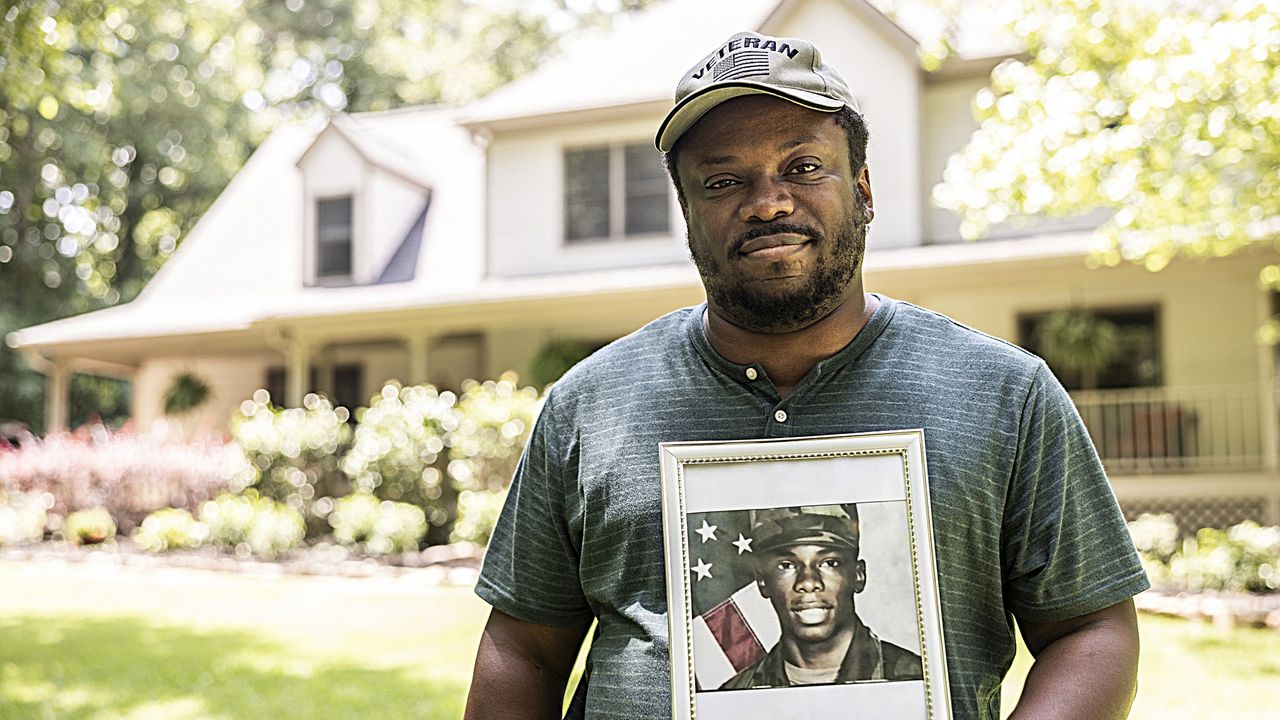
If one thing is unique about military retirement, it’s that retirement for most service members means finding another job, since most retire in their 40s. That’s just the tip of the iceberg. Active duty personnel, who have worked in a much different professional and financial environment than most Americans, must master new, usually more expensive, benefits and work life.
“I wish there was a better word for it … ‘career shift’ or something else, not calling it ‘retirement,’ because for most people, that is definitely not what it is,” says Kate Horrell, a Navy spouse and financial counselor who specializes in advising military families.
Because of their unique circumstances, service members approaching retirement often focus on the job search, but there is much more to consider. Here are some things future military retirees should consider to ensure a smooth transition.
Sign up for Kiplinger’s Free Newsletters
Profit and prosper with the best of expert advice on investing, taxes, retirement, personal finance and more – straight to your e-mail.
Profit and prosper with the best of expert advice – straight to your e-mail.
1. The math is different when retiring from the military
All personnel who have served at least 20 years qualify for lifetime retirement pay, which varies based on when they entered service and Department of Defense programs offered over the years. Retirees are eligible to receive 40% to nearly 103% of their active-duty base pay, although the highest percentage is reserved for senior officers or top enlisted personnel who served 40 years or more.
Service members can only lose their retirement pay in rare circumstances, such as being incarcerated or owing debt to a spouse, like alimony, or the government, such as repayments of unmet requirements for bonuses. Getting fired from a job (but not discharged) doesn’t count, unless it’s for a circumstance that involves a prison sentence.
2. There is a ‘how-to’ course in military retirement
Service members leaving the U.S. military must attend the Defense Department’s Transition Assistance Program, which offers classes on education, veteran benefits, job searches, resume building and financial planning. But while the program looks good on paper, it has been criticized for not adequately preparing members for the lifestyle change and focusing too much on educational opportunities.
Also, although the program is mandatory, many members avoid attending because they believe it won’t help, or aren’t provided the time because of unit or job requirements.
However, Horrell says the courses are worth the time, and recommends attending multiple sessions. “Why go?” she says. “You go on the chance that you get a really good presenter.”
3. Many need a transition fund for the first couple of years
Service members often spend the start of their careers living paycheck to paycheck. But with cost-of-living increases, promotions and time in service, they can enjoy a comfortable living after working for 20 years.
Still, they should sock away money starting two years before retirement because retirement expenses could include a move, a prolonged job search or other unexpected costs.
Lila Quintiliani of the Military Officers Association of America says she invested in a multi-year guaranteed annuity that will come to term and be available for payout when her husband retires. “I’m glad we did it because we locked in a high interest rate,” she says. “The point is, have a stash of cash in a liquid account. You don’t want to dip into retirement savings.”
4. Prepare for some big tax surprises — bad and good
Many military retirees often underestimate their taxes the first year. In addition to states that don’t tax any personal income (Texas, Florida, Nevada and six others), active duty personnel in Arizona, Arkansas, Illinois, Kansas, Minnesota and Pennsylvania don’t pay state income tax on military pay. They also don’t pay taxes on allowances for meals and housing.
On the plus side, 28 states don’t tax military pensions, and another 13 tax only a portion of them.
5. Expect healthcare costs to go way up
Active-duty personnel and family members enjoy low-cost or even free medical care through the U.S. military. But upon retirement, they get a taste of the healthcare costs incurred by the vast majority of Americans. Retirees who stay with Defense Department health coverage, known as TRICARE, must select a program plan and share some of the costs.
For most, dealing with out-of-pocket costs, such as premiums, co-payments and deductibles, requires a steep learning curve. “You really need to compare the different plans that are available to you in your job or your spouse’s job in a way that military families really don’t have to think about,” says Eileen Huck of the National Military Families Association.
“I was kind of gobsmacked because it’s a big change.”
6. Don’t overlook veterans services
Twenty or more years in the military can wreak havoc on a human body: combat injuries, musculoskeletal damage, tinnitus and hearing loss, and other hidden illnesses that may develop later in life.
For conditions considered connected or caused by military service, the Department of Veterans Affairs offers medical care and disability compensation, with payments based on the impact of the illness or injury on a person’s well-being and employability. Military retirees should start connecting with the VA 90 to 180 days before retirement to see whether they’re eligible for benefits.
7. A bonus for settling in an ideal retirement haven
Unlike civilian retirees who must pay the cost of selling their homes and moving to Florida, Arizona or wherever they may wish to settle in retirement, military retirees are eligible for a nice relocation perk.
The U.S. military pays for one final move, up to the cost of returning to the original home of record. Some personnel opt to stay in the area of their final duty station, while others choose a dream destination or let the job determine their decision. The wise ones consider quality of life and affordability as well as location, says Quintiliani.
“The financial side is only part of the picture — you also need to think about job satisfaction, support networks, transportation hubs, availability of healthcare,” she says.
8. Facing long-term financial issues
Like Social Security, the Defense Department’s Survivor Benefit Plan program offers an annuity to a military spouse or eligible dependents when a service member dies. While this benefit is free while on active duty, retirees must pay a monthly premium to maintain the coverage. The amount of coverage is chosen at the time of retirement and cannot be modified.
9. There’s resume and networking help
Nonprofit organizations and companies have stepped up to help military retirees work on their interview skills, connect them with mentors and translate their military expertise into a workable civilian resume.
The Defense Department offers the Skillbridge program, which connects troops to training programs and internships in their last six months of service. LinkedIn offers one year of free premium upmarket services to military veterans and retirees, and Hire Heroes USA, a nonprofit employment service, helps companies connect with veterans and military retirees for jobs.
10. The first job after military service is likely not the last
A 2019 Pew Research Center survey found that 56% of post-9/11 veterans stayed in their first civilian job for more than a year, while the rest stayed for less than half a year, including 20% who left within six months.
This turnover indicates the challenges of transitioning from military to civilian life and is a sign of finding the right fit — either a field or company — and not failure, says Huck: Don’t “expect that the first job is going to be a forever job.”
The military retiree may have to go through the whole transition effort a second time.
Note: This item first appeared in Kiplinger Retirement Report, our popular monthly periodical that covers key concerns of affluent older Americans who are retired or preparing for retirement. Subscribe for retirement advice that’s right on the money.
