


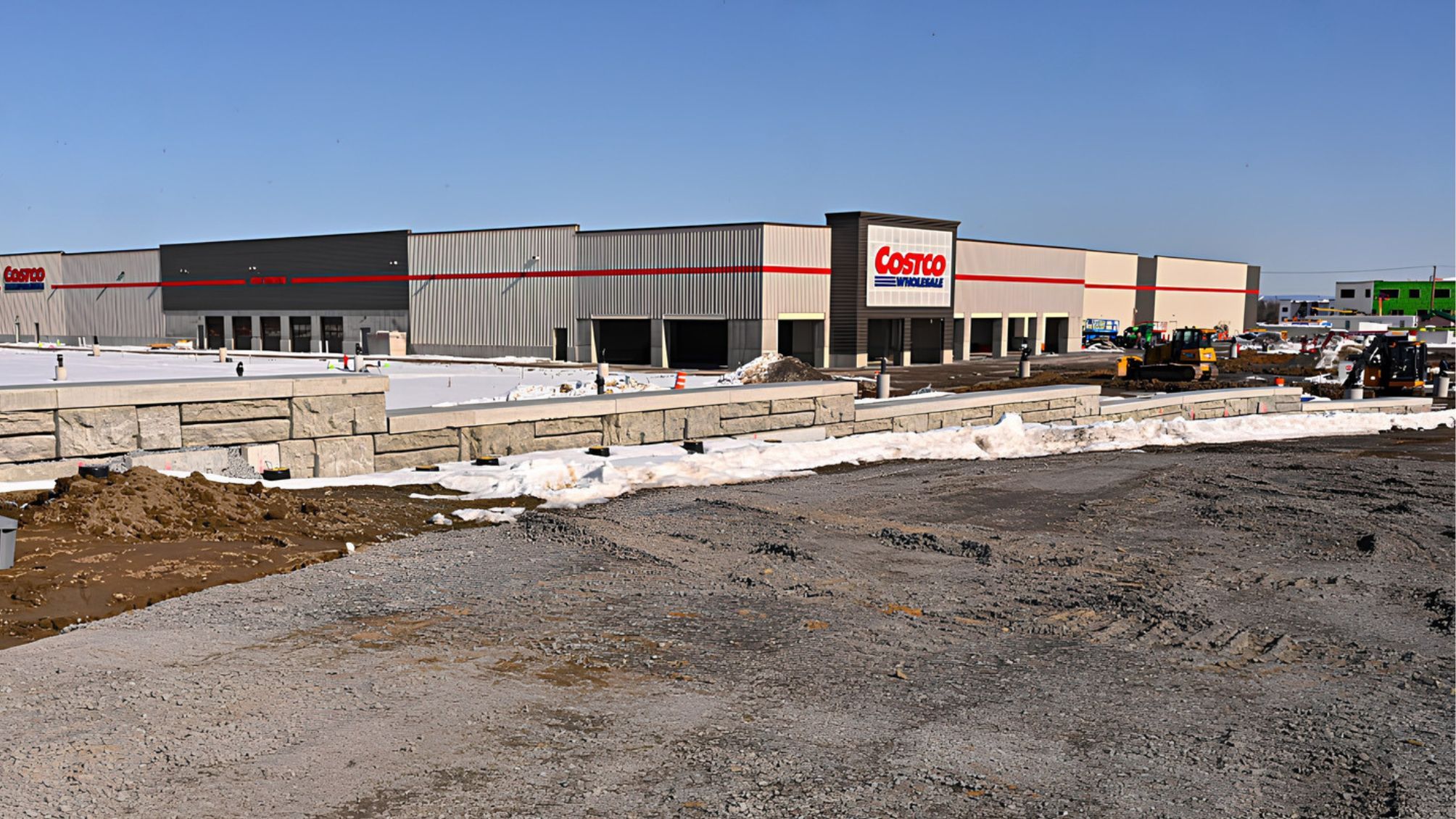
As shoppers continue searching for ways to stretch their grocery budgets, warehouse clubs and discount grocers are expanding across the country. Retailers including Costco, Aldi and Trader Joe’s are adding new locations in 2026, bringing lower-cost shopping options to more communities as consumers remain focused on value.
Costco alone plans to open 26 new warehouses this year, including 10 in the second half of 2026. Aldi has announced plans to open more than 180 stores, while Trader Joe’s continues its nationwide expansion after opening four new locations in April.
For shoppers, the expansion could mean more than just a shorter drive to the nearest store. As these retailers move into new markets, they often increase competition, giving consumers more choices and, in some cases, helping keep grocery prices in check. Here’s where the biggest retailers are expanding and what it could mean for your wallet.
Sign up for Kiplinger’s Free Newsletters
Profit and prosper with the best of expert advice on investing, taxes, retirement, personal finance and more – straight to your e-mail.
Profit and prosper with the best of expert advice – straight to your e-mail.
Which grocery chains are expanding in 2026
Discount grocers and warehouse clubs are growing across the country as demand for lower prices and value-focused shopping remains strong. Aldi, Costco, Trader Joe’s, BJ’s Wholesale, Walmart and Target have all announced plans to expand or invest in their grocery footprint in 2026.
Here’s how some of the country’s largest value retailers plan to grow this year:
Why value retailers keep growing

(Image credit: Kevin Dietsch/Getty Images)
The expansion of warehouse clubs and discount grocers reflects a shift in how Americans are shopping. As grocery prices remain elevated and household budgets stay under pressure, more consumers are seeking retailers that offer lower prices, bulk savings and greater value. That growing demand is encouraging companies to invest in new stores and enter additional markets.
As shoppers look for bargains and better value for their money, they’re increasingly turning to retailers like Aldi, which offers low-cost private-label groceries, and warehouse clubs like Costco, where buying in bulk can reduce the cost per item.
Membership warehouse clubs also continue attracting higher-income shoppers. According to the Acosta Group, four out of five club members shop their warehouse club at least once a month, and two out of three have increased how often they visit.
Population growth in the South and Mountain West is also fueling expansion, with Bloomberg reporting that those regions have the fastest-growing working-age populations and rising demand for additional retailers.
What this means for shoppers

(Image credit: Getty Images)
The expansion of warehouse clubs and discount grocers could benefit shoppers in several ways. As retailers like Costco and Aldi enter new markets, they increase competition with existing grocery stores, which can help keep prices competitive and give consumers more places to shop.
More locations also make it easier for customers to access value-focused retailers. Whether you’re looking to save on groceries, household essentials or bulk purchases, having additional stores nearby means more opportunities to compare prices and choose the retailer that best fits your budget. For warehouse club shoppers, it may also mean having multiple membership options within a reasonable driving distance instead of being limited to a single chain.
Fast-growing communities stand to benefit the most. As retailers expand into these areas, shoppers gain access to more grocery choices at a time when food prices remain elevated. According to USA Today, grocery prices have increased 1.5% since January 2025, making it even more important for consumers to compare prices and stretch their grocery budgets.
How to find out whether a new store is opening near you
If you’re hoping a Costco, Aldi or another favorite retailer is opening nearby, there are several ways to stay informed. Start by checking the retailer’s website, where store locator tools and news pages often list recently opened locations and upcoming stores.
You can also watch for announcements from your local government or local news outlets, which frequently report on new retail developments before stores open. Following retailers on social media or subscribing to their email newsletters can also help you stay up to date on expansion plans and grand opening announcements.
