


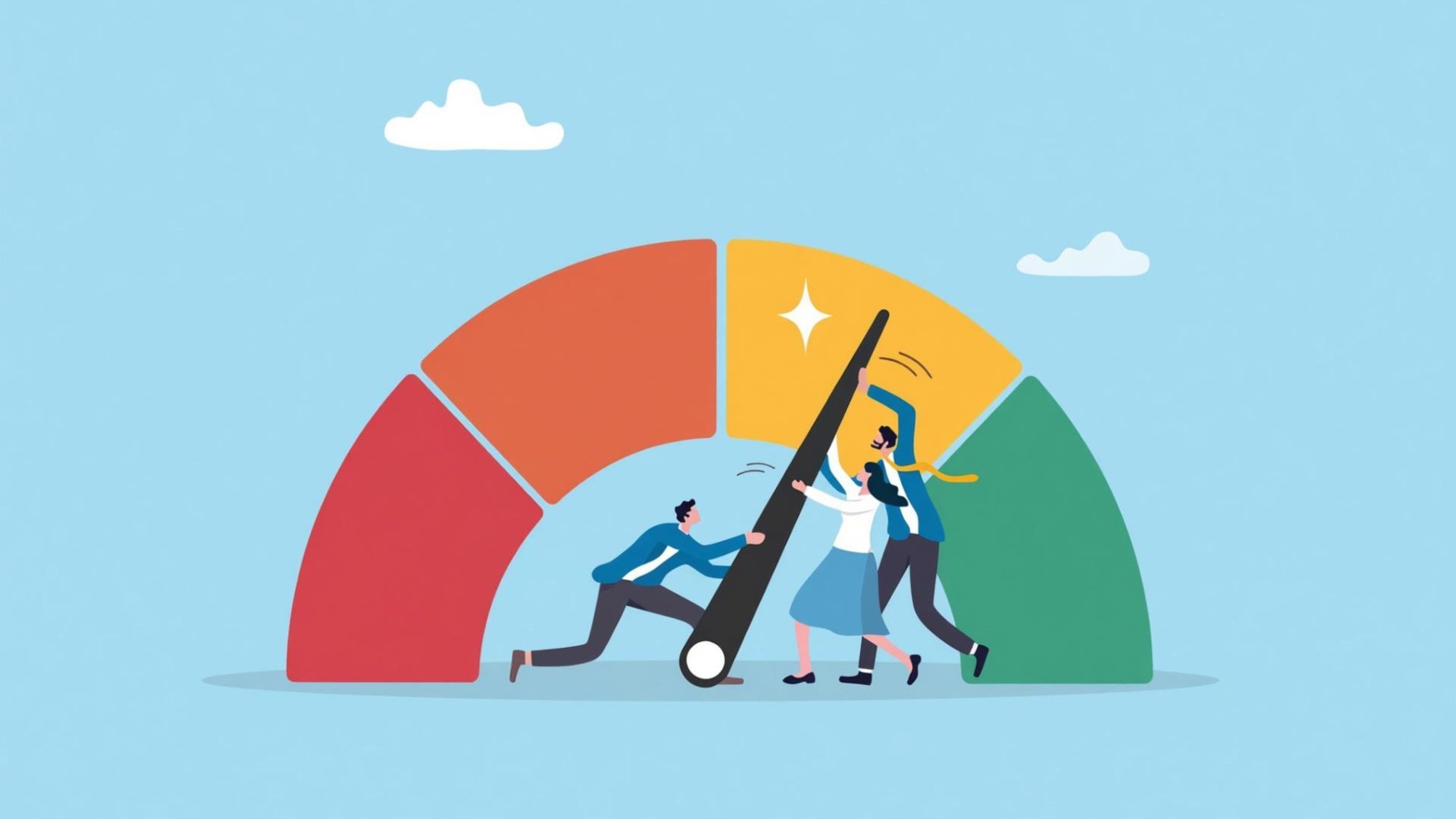
If you have stellar credit, it opens a lot of doors in your financial life. It can help you qualify for credit cards and loans and snag the lowest interest rate on them. Landlords may consider your credit before offering you an apartment. Your credit health may affect your home and auto insurance premiums, too.
Your credit score is a three-digit number that gauges how well you’re managing your credit. FICO and VantageScore are the two primary companies that create credit scores, with lenders more commonly checking FICO scores before approving an application. Standard score models from both companies operate on a scale of 300 to 850; a score of 740 to 799 is typically considered very good, and a score of 800 or higher is deemed excellent.
There are plenty of sources to check your score. Credit-reporting company Experian, for example, provides a FICO score after you enroll. You could also use a credit-monitoring service like myFico, which sends you updates when there are changes. Take the steps below to give your credit score a lift — and to unlock the best terms on loans, insurance and more.
Sign up for Kiplinger’s Free Newsletters
Profit and prosper with the best of expert advice on investing, taxes, retirement, personal finance and more – straight to your e-mail.
Profit and prosper with the best of expert advice – straight to your e-mail.
1. Pay your bills on time

(Image credit: Getty Images)
Your payment history is the most influential factor in your credit rating, accounting for 35% of a FICO score. So it’s crucial to pay all of your bills by their due date.
If your credit card or loan payment is late by 30 days or more, the lender may report it to the credit-reporting companies, and that can significantly damage your score. (And if you pay just one day late, you may rack up late fees from the biller.)
Payments that are more than six months overdue may be placed in third-party collections, which is even more harmful to your score. Most negative information, including late payments and collection accounts, stays on your credit report for seven years.
Signing up for automatic payments of your bills helps ensure they are paid on time. You may also be able to set up phone or e-mail alerts to notify you when a due date is approaching.
2. Reduce your credit card balances

(Image credit: Getty Images)
On credit cards, your utilization ratio — the percentage of available credit that you’re using — is another important element; how much you owe makes up 30% of your FICO score, and a key part of that is utilization, which is calculated both on individual credit cards as well as in the aggregate across all your card accounts.
You can determine your credit utilization ratio with an online calculator, such as the one from Bankrate.
Low utilization indicates that you can responsibly use credit and helps improve your credit score. A FICO study found that “high achievers” with a perfect credit score of 850 have an average revolving credit utilization rate of 4.1%. If you can’t keep your utilization below 5%, aim to limit it to 20% to 25%, says credit expert Gerri Detweiler. Paying off your credit card balance twice a month can help.
One way to decrease your utilization ratio is to get a higher credit limit, as long as you don’t increase the amount you charge on your card. For example, if you typically spend $1,000 a month on a card and your credit limit is $2,000, your credit utilization is 50%.
If your limit rises to $5,000 and your monthly spending remains at $1,000, the rate drops to 20%. Especially if your income has gone up and you’ve consistently made bill payments on time, you may be able to successfully raise your credit limit by requesting it through your credit card account online, says Detweiler.
3. Keep card accounts open (when it makes sense)

(Image credit: Getty Images)
Even if you no longer use a credit card, leaving it open can help you maintain a high credit score. One reason is that if you close a card account, your overall credit utilization may rise because you’ll lose some of your available credit.
Eventually, shutting down a card could also lower the average age of the accounts on your credit report. The length of your credit history makes up 15% of your FICO score, and scoring models examine how long your oldest and newest accounts have been open in addition to the average age of all your accounts. Generally, a higher average account age is better.
For those with a perfect FICO score, the average age of their oldest account is 30 years, according to the FICO study on high achievers. After you close an account in good standing, it typically remains on your credit report for an additional 10 years. Once it’s removed, your average account age may decline.
Instead of closing a card, Detweiler recommends asking your card issuer to switch your account to a different card that better suits your needs, while preserving the entire account history on your credit report. Alternatively, you could leave your old card open and use it to make recurring payments for one or two bills so that it stays active.
But keep in mind that in some situations, closing a credit card is the best move for your overall financial health. If you’re tempted to overspend by having the card around, for example, or if you’re paying an annual fee for benefits that you don’t use enough to make the fee worthwhile, terminating the account may be the right choice.
4. Apply for new credit cards cautiously

(Image credit: Getty Images)
New credit makes up 10% of your FICO score. When a creditor checks your credit file in response to your application for a new credit card or loan, a “hard” inquiry appears on your credit report.
If you apply for multiple credit cards in a short period, the resulting cluster of inquiries on your credit report can drag down your score because this behavior indicates to lenders that you may have trouble paying your bills.
That doesn’t mean you should avoid applying for new credit cards altogether; the impact of a single hard inquiry on your score is minimal. And opening a new card can improve your credit profile in the long run, as long as you make on-time payments and carry a low debt load, especially if you don’t already have any other revolving credit accounts, says Ted Rossman, principal analyst at Bankrate.
Note that if you’re shopping around for the best deal on a mortgage, car loan or student loan, newer models of the FICO score count multiple inquiries from lenders within 45 days as only a single hard inquiry, minimizing the hit to your score.
Older versions of the FICO score (which some lenders still use to evaluate applicants) have a shorter, two-week window for rate shopping.
5. Review your credit reports for mistakes often

(Image credit: Getty Images)
Errors or fraudulent accounts that appear on your credit reports can hurt your score. You can request a free credit report weekly from each of the three major credit reporting companies — Equifax, Experian and TransUnion — at annualcreditreport.com.
Look for mistakes such as an incorrect balance or credit line listed on an account or a record of late payments even though you have not missed a bill. Also check for unfamiliar accounts that you never opened, a sign that an identity thief may have taken out credit in your name.
If you find a problem, file a dispute with each credit-reporting company that’s listing it, and contact the lender or other entity that supplied the erroneous information.
A financial professional can help you create a personalized plan to manage debt, strengthen your credit profile and work toward your financial goals.
Use the tool below, powered by Bankrate, to connect with a financial professional who can help you create a plan for your specific financial needs:
