


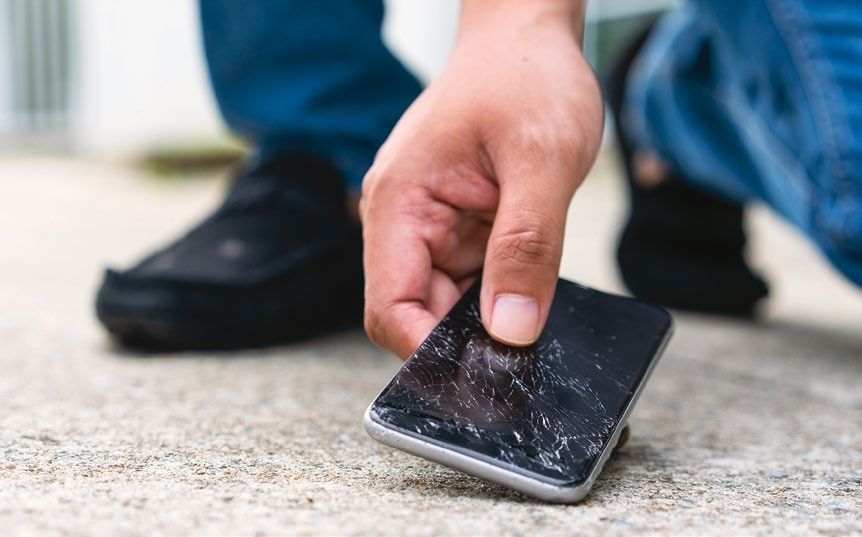
man picking up broken smartphone from the ground
(Image credit: Getty Images)
Buying a new smartphone can set you back significantly. Americans spend an average of $634 on a phone, according to a 2025 survey from and premium models of the iPhone, Samsung Galaxy and other popular devices run more than $1,000. Those costs are likely one reason that people are hanging on to their phones for a while before upgrading, keeping them for nearly two years and five months, according to the Reviews.org survey.
To protect your pricey device, you can buy phone insurance. With these plans, which you may be able to purchase through your wireless carrier, the phone manufacturer or from insurance companies, you can submit a claim if your phone is damaged, lost or stolen. After you pay a deductible, which may range from about $50 to $250, you’ll get a repair or replacement. Many insurance plans cost $10 to $20 per month.
Some credit cards offer phone insurance as a free benefit if you pay your wireless bill with the card; among them are American Express Platinum ($895 annual fee), Capital One Venture X ($395), Chase Freedom Flex, and the Wells Active Cash and Autograph cards, which are all included in our list of the best rewards credit cards.
Sign up for Kiplinger’s Free Newsletters
Profit and prosper with the best of expert advice on investing, taxes, retirement, personal finance and more – straight to your e-mail.
Profit and prosper with the best of expert advice – straight to your e-mail.
As with other plans, these come with deductibles, and they impose coverage limits of $600 to $800 per claim. Keep in mind, however, that if your wireless carrier offers a discount for automatic payments, the discount may not apply if you use a credit card.
Weigh the options
Consumer advocates say that the math often favors skipping phone insurance, if you have to pay for it.
“When we gamed it out, you basically came out ahead in almost all situations without paying for the insurance,” says Nathan Proctor, senior director of the Right to Repair campaign for U.S. PIRG, a nonprofit consumer advocacy organization. Most people won’t file enough claims to make paying the premium and deductible worthwhile, Proctor says.
Still, in some cases, getting insurance may make sense. “If you’re spending $1,500 or $2,000 on a smartphone — even if you’re a careful user — I would recommend opting for some sort of smartphone insurance,” says Louis Ramirez, deals editor-in-chief for tech-review site Tom’s Guide.
Additionally, if you frequently use your phone in places where you’re at higher risk of damaging or losing it — say, at the gym or while working outdoors — or if you’re the parent of a teenager who is less than careful with their phone (or of a young child who likes to get their hands on your device), opting for insurance may not be a bad idea.
If you sign up for insurance, be sure to read the fine print. Check details such as the deductible amount and how many claims you can make per year; often, the cap is two or three claims. Also review the rules that determine whether your device will be repaired or replaced, as well as any coverage exclusions. Most plans don’t include normal wear and tear, for example.
If you forgo insurance and damage your phone, going to an independent repair shop can be an efficient and affordable option. The cost of replacing a screen, for example, averages about $300, and you may pay less than that, depending on the model and availability of parts.
But more-advanced repairs, such as fixing a broken camera with complex features, may not be available at a shop, says Ramirez. In those cases, you may need a protection plan from the manufacturer, which can cover the gamut because it has unrestricted access to parts and knows the device inside and out.
Note: This item first appeared in Kiplinger Personal Finance Magazine, a monthly, trustworthy source of advice and guidance. Subscribe to help you make more money and keep more of the money you make here.
