




(Image credit: Getty Images)
The flames of a crackling fire pit cast a warm glow on your family’s faces. Your newest grandchild drifts off to sleep, snuggled in his aunt’s arms while his parents begin to doze beside them.
Nearby, your oldest grandchild roasts marshmallows to a perfect golden brown — just as you taught her to minutes ago — and she gleefully runs up to you to offer a taste. You recline into your seat next to your spouse, who is gazing up at the clear night sky.
The moon is full, the stars are bright, and everything is just right. You’re on the perfect trip.
Sign up for Kiplinger’s Free Newsletters
Profit and prosper with the best of expert advice on investing, taxes, retirement, personal finance and more – straight to your e-mail.
Profit and prosper with the best of expert advice – straight to your e-mail.
Meaningful shared experiences with adult children and their families are valuable to many grandparents. In fact, 49% of baby boomers and 40% of those older than 80 would rather spend money on the family trip of a lifetime than leave an inheritance to their children, according to 2025 data from Booking.com. And when it comes to funding these trips, about 80% of boomers are happy to pay for their kids and grandkids in order to travel together.
“The opportunity to spend time together in this busy phase of life for our adult children and their families is well worth the money,” says Ramin Hashemi, a Kiplinger reader in Sarasota, Fla., whose vacations have included a visit to Puerto Rico as well as a cruise to celebrate a family member’s milestone birthday.
Parents in the thick of their childrearing years are also eager to go on trips that bring together generations. Nearly 60% of parents want to start new family traditions centered around vacations with grandparents, and about 75% of parents are excited by the idea of multigenerational vacations, according to a 2024 study of North American families by Beaches Resorts.
While multigenerational trips present the potential for family members of all ages to spend quality time together, they come with some special considerations. For example, to accommodate young children, older adults or those with disabilities, activities and lodging may need to be stroller- and wheelchair-accessible, or you may need to limit activities to meet the energy levels of everyone in the group.
Lodging may need to have certain amenities, such as accessible entrances, a kitchen, a bathtub, an elevator, or beds of a certain size and height. Air conditioning may be nonnegotiable in hot destinations. Easy access to medical care and pharmacies may be crucial when traveling with infants, young children and some adults.
Additionally, the bigger your group, the more preferences and needs you’ll have to bear in mind. The core challenge of multigenerational family travel is managing opinions, “because everybody has one,” says Kirsten Maxwell, founder of Kids Are A Trip, a travel website inspiring families to explore the world.
We’ve gathered advice on how to plan a trip that suits the tastes and needs of each traveler and fosters more bonding and joy than tension and exhaustion.
Strategies for success.
Communication is key as you organize your vacation. To get started, gather the family you’d like to travel with for a joint video call, allowing everyone the chance to offer their ideas and suggestions.
“You have to get everybody on the same page,” Maxwell says. That initial conversation should include establishing who pays for what and, if costs will be shared, how much everyone is willing to pay.

(Image credit: Getty Images)
This call is also prime time to discuss ideal travel dates, collecting preferences for the start date and how long the trip will last, as well as to create a short list of destinations that interest the group. Gather expectations for lodging as well as the amenities family members may need, and discuss preferences for activities: Is the group seeking a slew of options for active adventures and sports, a focus on relaxing and unwinding together, or something in between?
And before hanging up, consider assigning responsibilities and setting deadlines to establish a clear path forward, Maxwell says. You might decide to settle on a destination by a certain date and lodging by another date not long afterward, for example.
As you’re choosing activities and excursions, having honest conversations about each traveler’s abilities will go a long way, says Jennifer Pharr Davis, adventurer, speaker and author of Families on Foot. Families should discuss “what the maximum output for the least fit or able member of the family looks like,” she says.
On a hiking trip, for example, if one person can manage no more than two miles a day, the entire schedule should reflect that. For a cruise, the itinerary matters as much as the ship’s amenities.
At some European ports, for instance, cobblestone streets can be challenging for travelers using walkers or wheelchairs, even if the ship itself is fully accessible, says Colleen McDaniel, editor-in-chief of cruise-review site Cruise Critic.
To avoid overtiring the group, a good rule of thumb is to limit planned activities to one per day. You might arrange an optional event, such as a boat ride or a cooking class. Or try scheduling a daily “choose your own adventure” time. At a national park, some family members can rest while others hike.
Later, everyone regroups for an evening ranger program, suggests Pharr Davis. When you book tours, opting for private excursions may be most comfortable if, say, you want to make sure that young children in your group don’t disrupt others or that the length of the tour is appropriate for everyone.
Splitting the costs.
If you intend to pay for most or all of each family member’s expenses, be clear about which ones you plan to cover and which, if any, you won’t. For example, if you want to pay for lodging, activities and meals but let your adult children and their families cover their own transportation, communicate this early.
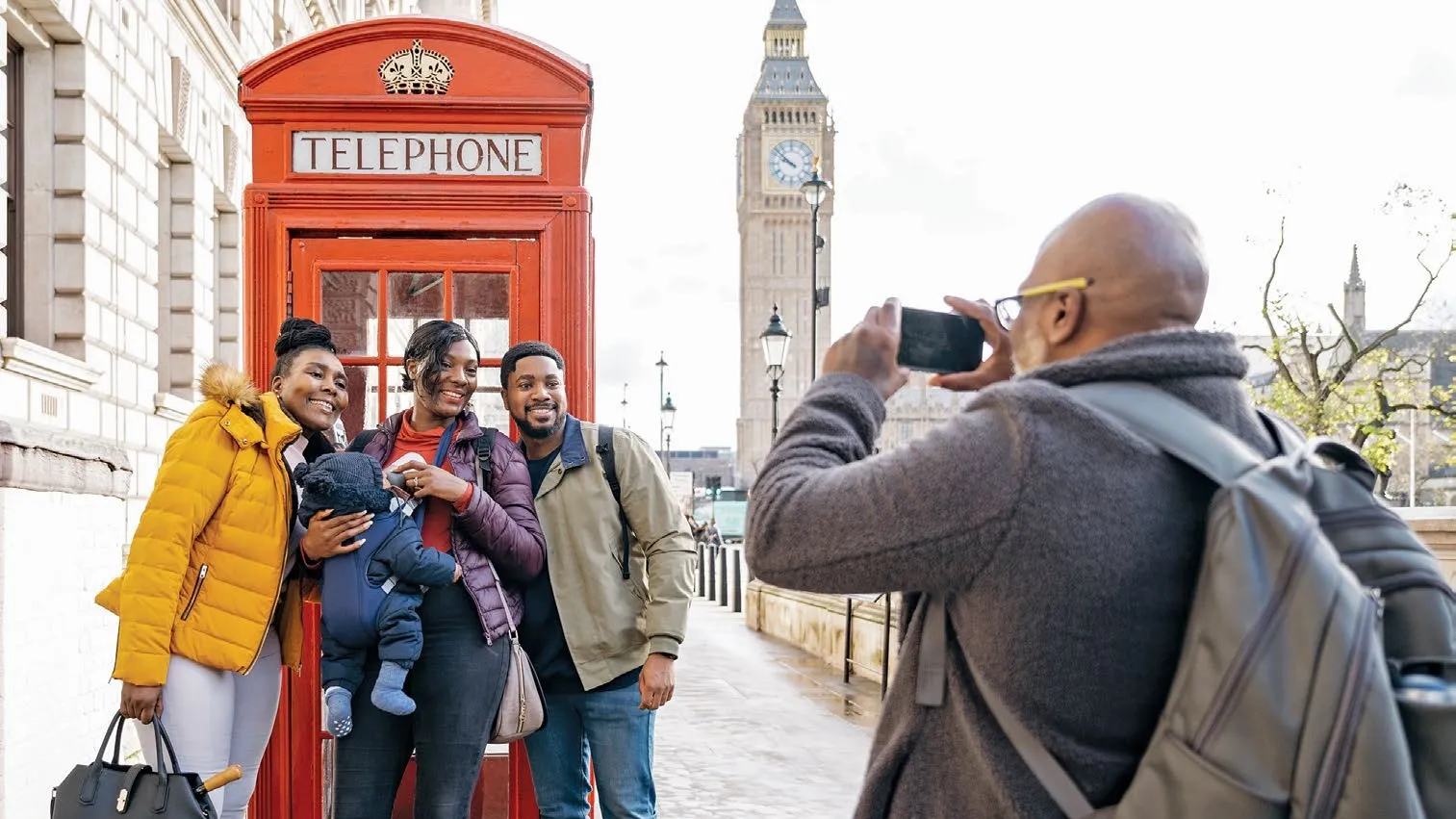
Mature Black man holding smart phone and taking picture of three-generation family standing next to red telephone box with landmark Big Ben in background.
(Image credit: Getty Images)
If family members will share the costs, discuss not only how you’d like to divide them up but also how you will keep track of those expenses. You can use an app such as Splitwise, which helps groups record and split shared costs, or document expenses in a shared spreadsheet. Peer-to-peer payment apps, such as Zelle or Venmo, are useful for sending money to one another.
With some types of trips, divvying up the costs is simple. While smaller families usually book cruise cabins individually, larger groups (typically using eight or more cabins) can connect with the cruise line’s group-services department for discounts and coordination, says McDaniel.
Road Scholar, a nonprofit organization that provides educational travel and learning adventures, offers three-generation trips for grandparents, their children and their grandchildren in which each traveler can enroll and pay individually, says Kelsey Knoedler Perri, director of public relations for Road Scholar.
Trips that stand out.
Although many types of vacations can be a good fit for multiple generations, some are especially well suited to groups of varying ages, abilities and budgets. “The easiest options are going to be cruises and all-inclusive resorts,” says Maxwell.
These vacations allow you to pay a fixed price up front for your accommodations and most meals, and they usually provide a broad range of amenities and activities. If an outdoor adventure is more to your family’s liking, consider visiting national parks, which are affordable and family-friendly, too. Below, you’ll find ideas for journeys in all of those categories.
Cruises
(Image credit: Getty Images)
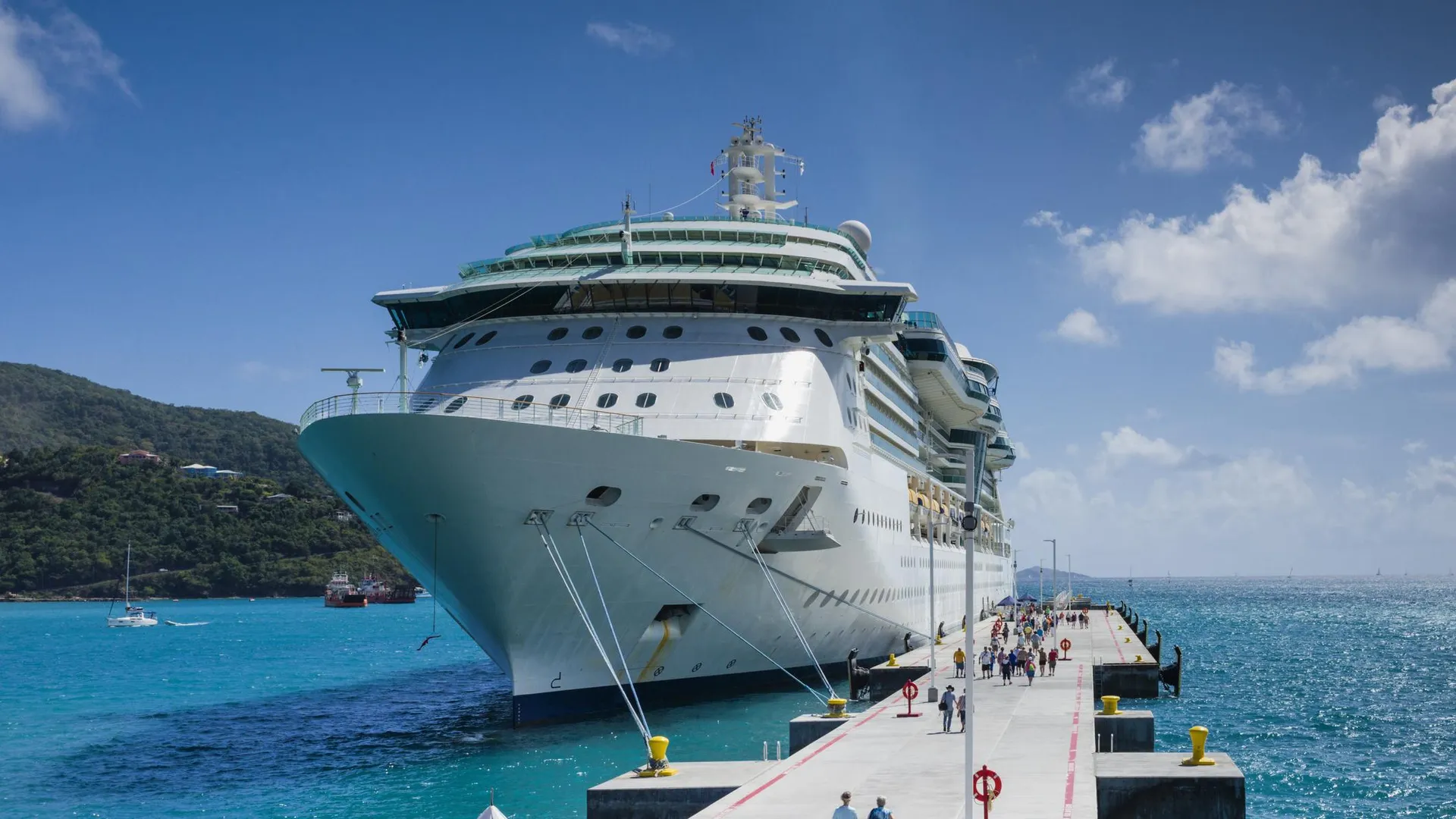
Besides ease of budgeting and planning, cruises can also be attractive to families for their flexibility with lodging. “There are a lot of cabin types,” says McDaniel. “Grandparents might invest in a suite, and parents might choose something more cost-effective.”
Kids’ clubs (onboard child-care and activity areas) are standard on major cruise lines. Luxury cruise lines are less likely to host kids’ clubs, but they can offer a more refined, inclusive experience. The staff-to-passenger ratio is often higher, providing passengers closer attention and better service, and spacious suites allow families to relax together without feeling cramped.
Sometimes luxury lines offer seasonal programs with kid-friendly itineraries and personal babysitting services, rather than a crowded playroom. These typically take place in the summer for families with school-age children.
Disney Fantasy
(Image credit: Unknown)
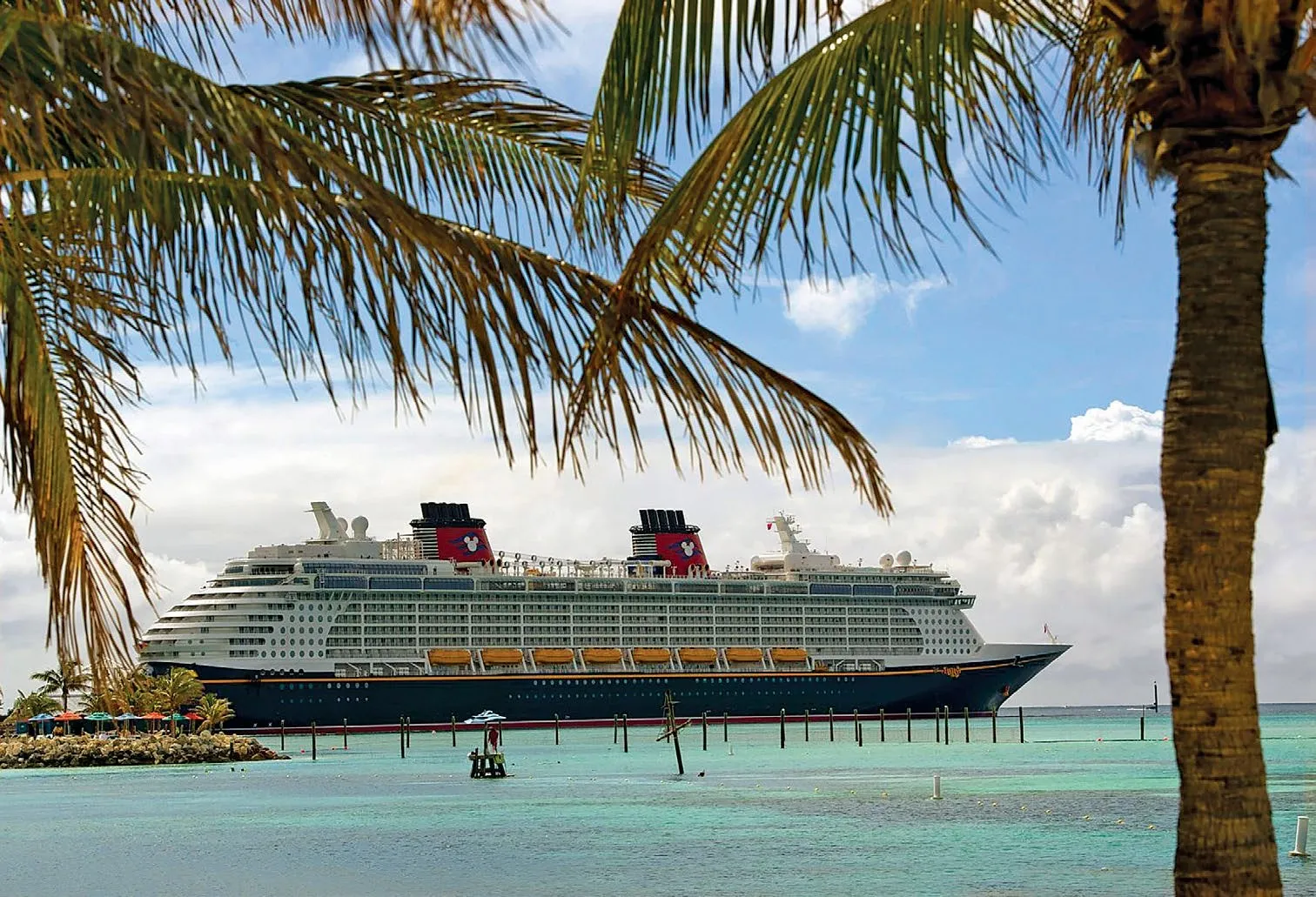
The itinerary for a five-night Bahamian cruise aboard the Disney Fantasy features stops at Nassau and both of Disney’s private island destinations, Castaway Cay and the new Lookout Cay at Lighthouse Point. The “Pixar Day at Sea” includes character encounters, deck parties and a Toy Story–themed “Hey Howdy Breakfast.”
Kids can enjoy immersive youth clubs while adults have access to exclusive retreats, such as the Quiet Cove Pool and fine dining at onboard restaurants Palo or Remy. Recently, for a February 12, 2027, departure from Florida’s Port Canaveral, prices started at about $3,927 per two people.
Regent Seven Seas Grandeur
On this luxury ship, you can expect opulent surroundings, highly attentive service and excellent dining. A 12-night, round-trip cruise from London, scheduled for a June 6, 2026, departure, features stops through northern France and Spain. Starting at $13,749 per person, the all-inclusive fare covers shore excursions, specialty dining, beverages and gratuities.
Because this is a summer sailing, the Club Mariner Youth Program is available, offering supervised, age-appropriate activities for guests ages 5 to 17.
Resorts
Booking a stay at an all-inclusive property can keep your planning to a minimum and eliminate decision fatigue about where to eat. Often-times, these resorts provide activities and excursions for families in some of their packages — and like cruises, they may have kids’ clubs that offer child care. Many resorts have villas or other multi-bedroom lodging options available.
When you think of an all-inclusive resort, a beachfront property in the Caribbean probably comes to mind. But such resorts come in other flavors, too — including the ones that follow.
Mohonk Mountain House
(Image credit: Alexandra Svokos)
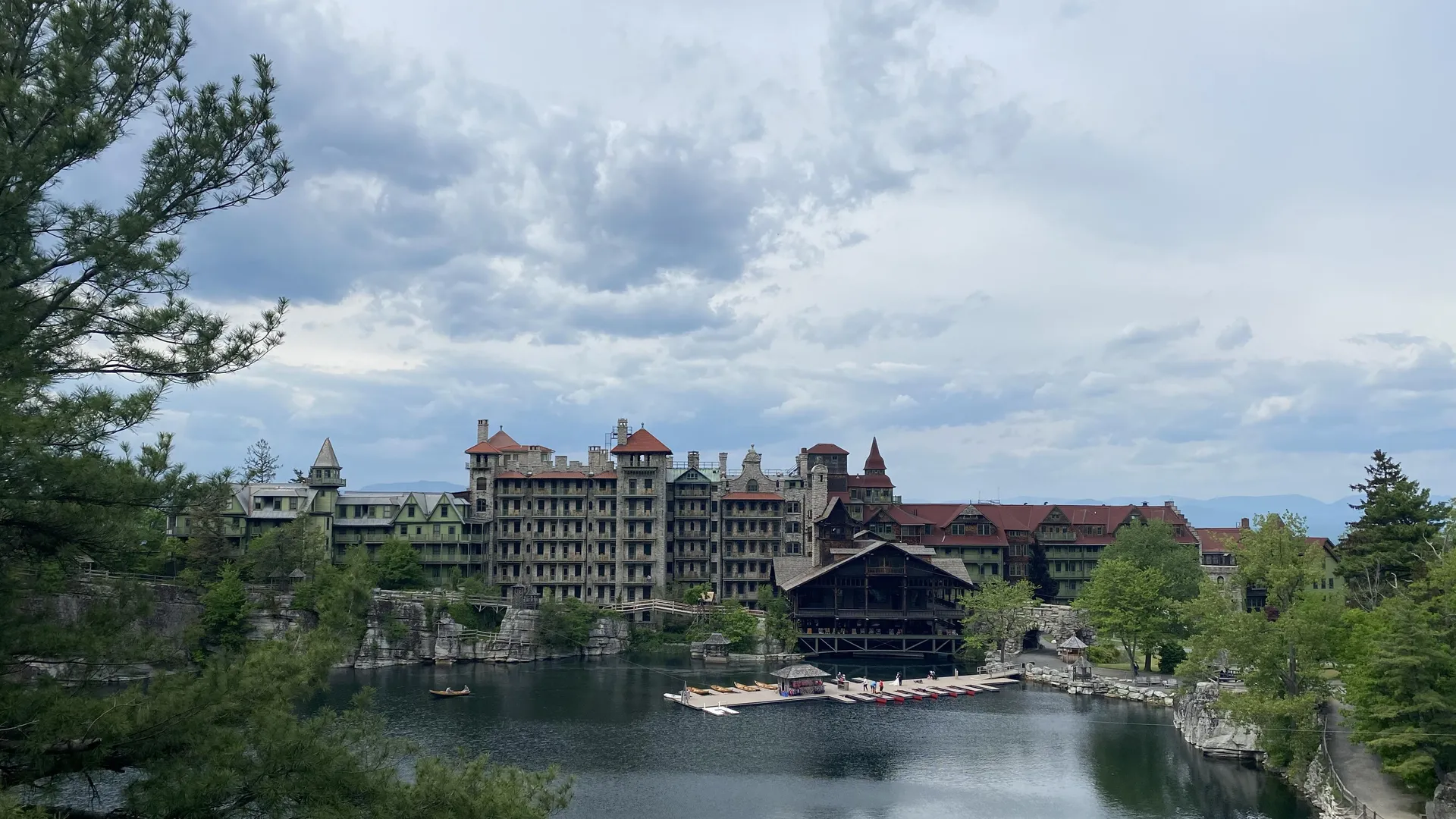
This Hudson Valley retreat, situated near New York’s Catskill Mountains, offers a wide variety of activities, including hiking, boating, golf and yoga, and gourmet meals are included in its all-inclusive rates.
The award-winning spa provides adults the opportunity to relax and unwind, and for entertainment, the resort hosts live music and other performances. Nightly rates for two adults start at about $1,050, covering three daily meals, gratuities and most recreational activities.
Call and ask about the Kids Stay & Eat Free promotion, which lets one child between ages 4 and 12 stay free per paying adult.
This deal is typically available during Presidents Day weekend, spring break and some midweek summer dates. Children age 3 and younger stay free year-round.
Brush Creek Ranch
Brush Creek, in southern Wyoming, incorporates comfort and ease into an authentic dude-ranch experience. Children ages 4 to 9 can participate in the “Li’l Wranglers” program, which offers daily activities such as horseback riding, fishing, archery, hiking, arts and crafts, and baking classes.
Adults can try goat yoga, fly-fishing and shooting sports. The ranch also offers culinary experiences such as cheese- and pasta-making classes. Skiing and snowmobiling are available during winter months.
Families can stay in expansive cabin residences that accommodate large groups, with summer rates typically starting at about $1,500 to $2,100 per adult and $750 to $1,000 per child, per night (kids younger than 3 stay free).
All stays include gourmet meals, premium spirits and two guided activities daily.
National parks
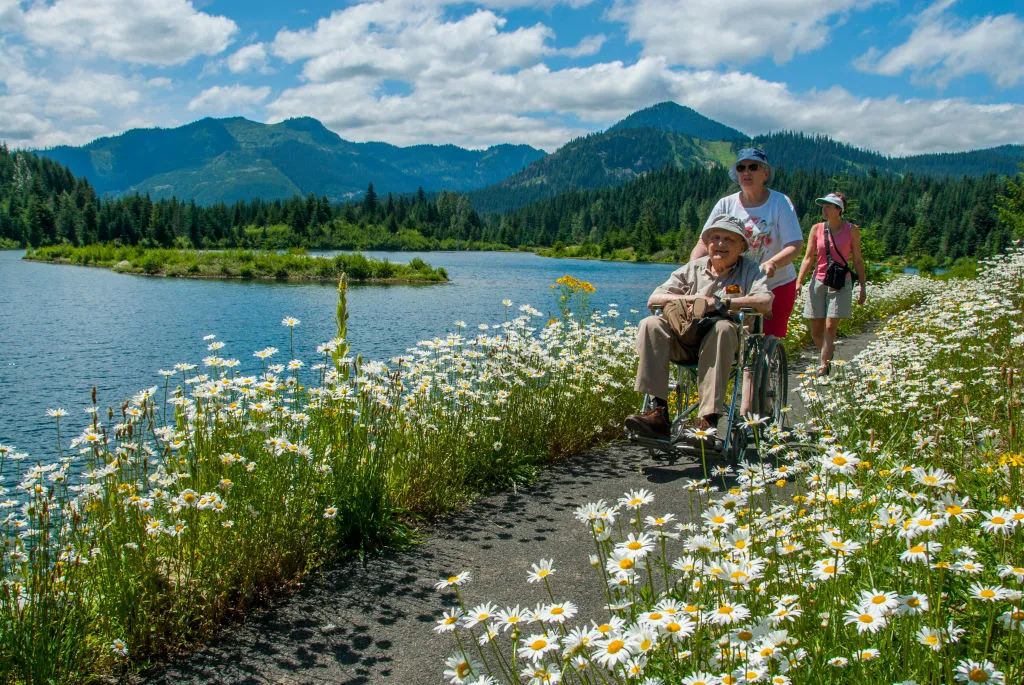
Visiting a U.S. national park requires some strategic planning, but you don’t have to be an elite athlete to see the best sights at major parks. Many popular parks have easily accessible scenic overlooks — often reachable even by car — with stunning views, and some parks provide flat wooden boardwalks that are great for both strollers and wheelchairs.
(Image credit: Getty Images)
Adults 62 and older qualify to buy the Senior Annual Pass, which provides access to all national parks for $20 per year, or the Senior Lifetime Pass, which requires a one-time fee of $80 and covers entrance fees for the rest of their lives. Otherwise, the entrance fee for popular national parks is as much as $35 per private vehicle for seven days of access.
With an America the Beautiful Pass, you can enter all national parks for one year for $80. Those who are not U.S. residents must now pay a surcharge of $100 per person at 11 of the most popular parks, including Yellowstone, Grand Canyon and Zion, unless they purchase the new Non-Resident Annual Pass for $250.
For park lodging and camping, book as soon as reservation windows open, and have a Plan B and Plan C ready, says Pharr Davis. Most campground reservations open about six months in advance, though some high-demand parks release sites up to a year ahead.
Bryce Canyon National Park
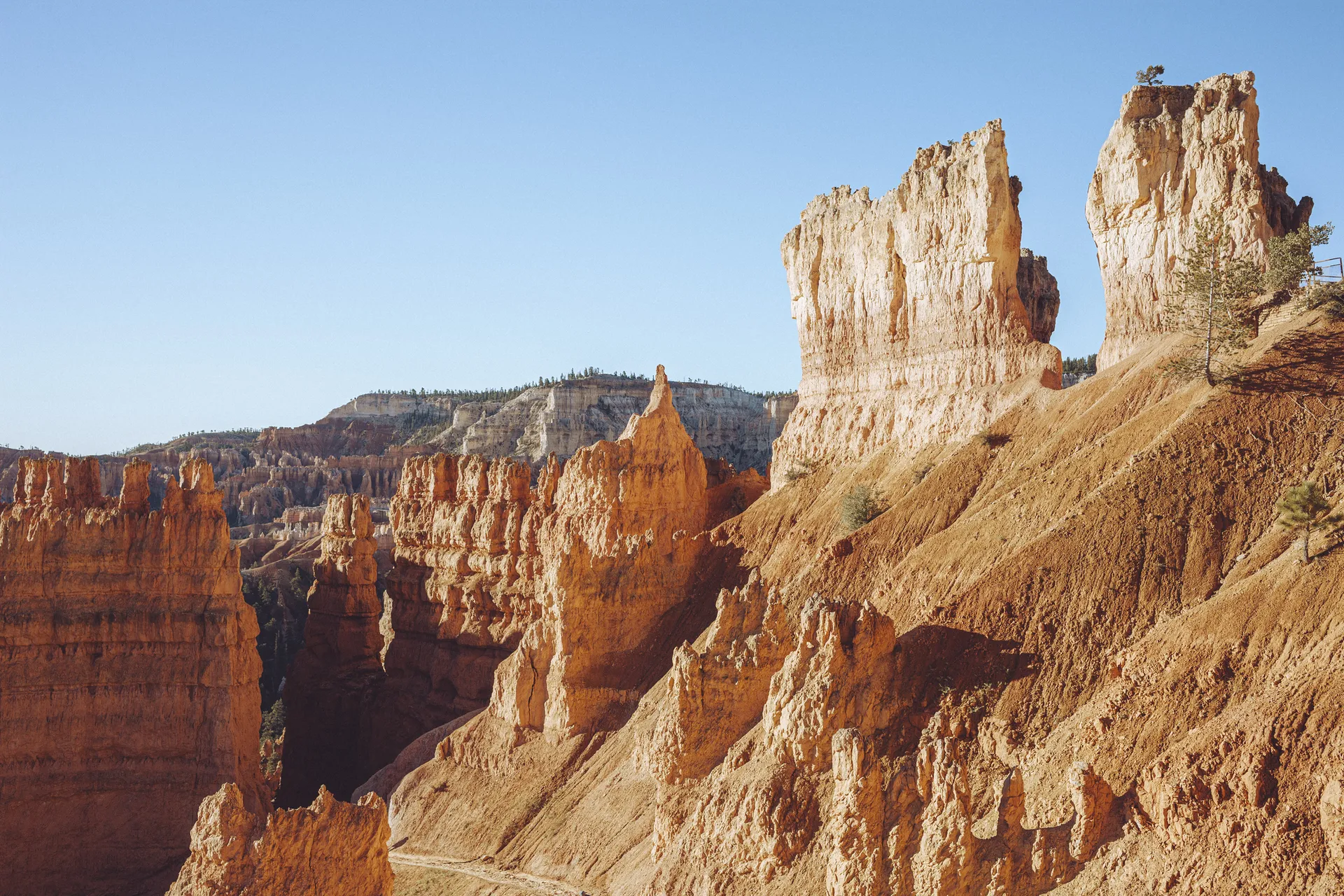
During a visit to Bryce Canyon, you might start your day with an early-morning hike, before the crowds show up, followed by a group lunch and a scenic afternoon drive.
(Image credit: Getty Images)
Consider visiting overlooks that require only a short walk, such as Inspiration Point and Rainbow Point, or take this time for afternoon rest. In the evening, try out a ranger program — an educational activity led by park staff — or enjoy entertainment such as the nearby Bryce Canyon Country Rodeo at Ruby’s Inn.
Campsites are typically about $30 per night for RVs or tents. Pricing for the Lodge at Bryce Canyon, the only in-park lodging, varies depending on the season, with rates starting at about $300 per night for a room with two queen beds or one king bed, or $370 per night for guest suites with one king bed and a sleeper sofa.
Yellowstone National Park
Family-friendly hikes and scenic drives are plentiful at Yellowstone. Drive through Lamar Valley to spot bison and wolves in the springtime. Shorter walking paths include the Grand Prismatic Overlook Trail, which offers a panoramic view of Yellowstone’s largest hot spring, and the Artist Paintpots Trail, featuring colorful mudpots.
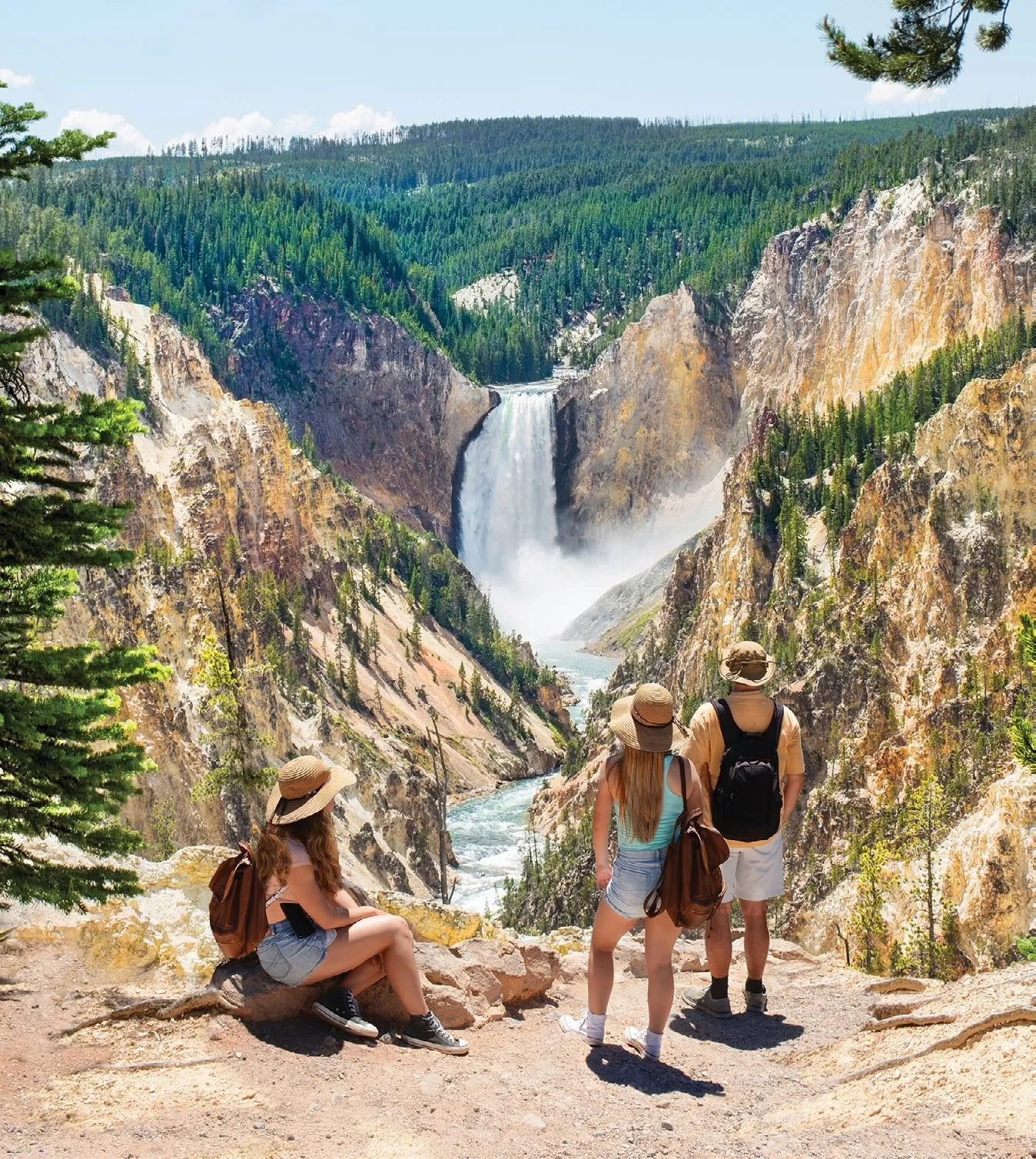
Family relaxing and enjoying beautiful view of waterfall on hiking trip in the mountains. Beautiful Lower Falls at Yellowstone National Park, U.S.A.
(Image credit: Getty Images)
Campsites typically cost between $20 and $45 per night for standard sites, while the nightly rate for Fishing Bridge RV Park, including full hookups for electricity, water and sewer, is approximately $94.
In-park lodge rooms generally range from $200 to $500 per night, although basic cabins start at about $135, and premium suites at the Lake Yellowstone Hotel may reach more than $700.
Note: This item first appeared in Kiplinger Personal Finance Magazine, a monthly, trustworthy source of advice and guidance. Subscribe to help you make more money and keep more of the money you make here.
