


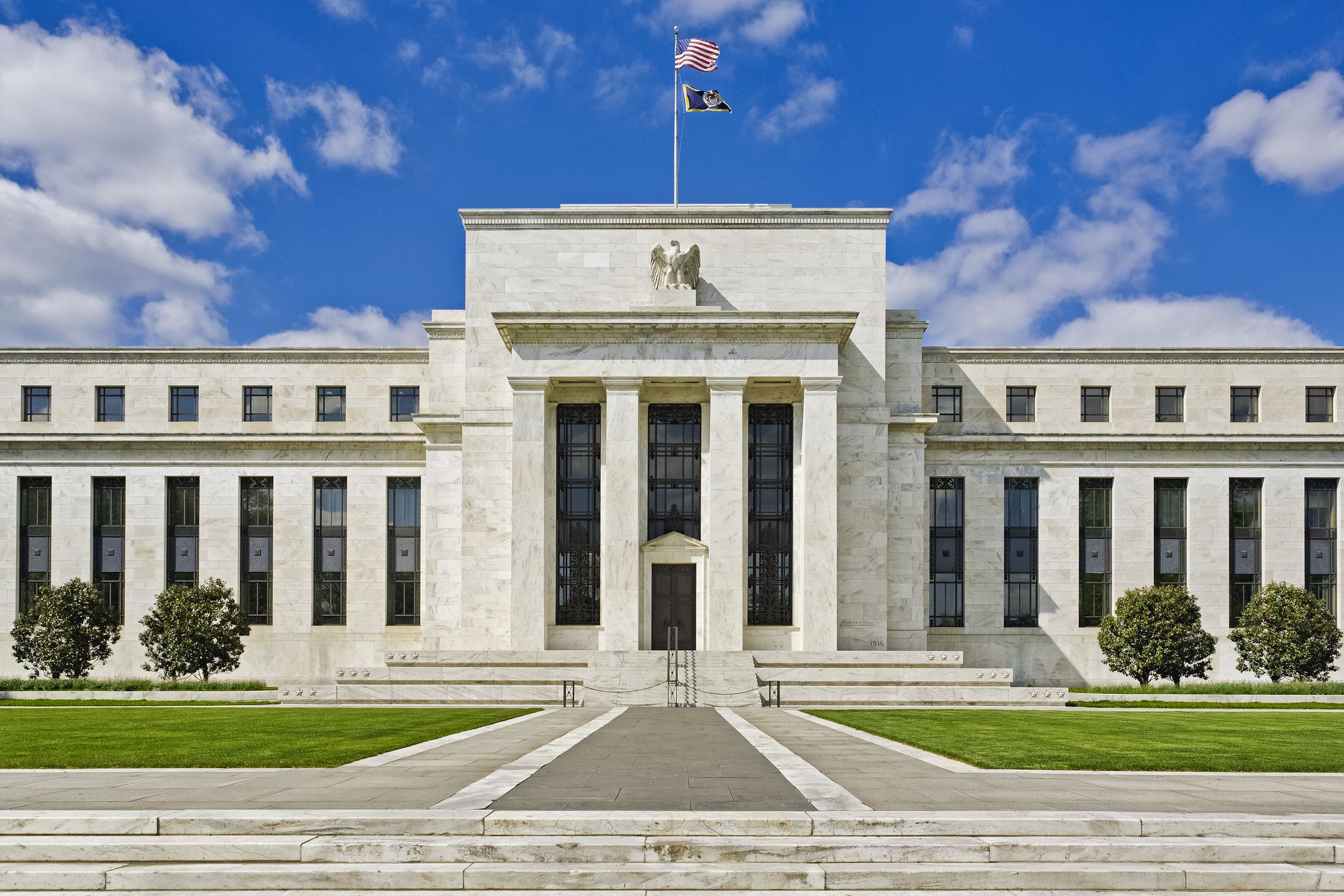
After months of scrutiny around the Federal Reserve and its leadership, President Donald Trump’s nominee, Kevin Warsh, is set to become the next chair of the Federal Reserve, succeeding Jerome Powell.
Notably, the 54-45 U.S. Senate vote margin to confirm him was reportedly the narrowest in modern Fed Chair history.
Sign up for Kiplinger’s Free Newsletters
Profit and prosper with the best of expert advice on investing, taxes, retirement, personal finance and more – straight to your e-mail.
Profit and prosper with the best of expert advice – straight to your e-mail.
Whether a Fed chair is viewed as politically independent matters since confidence in the Fed’s inflation strategy can influence markets, borrowing costs, and expectations for future interest rates.
Powell, for his part, has said he plans to step down as chair when his term ends on May 15, 2026, but remain on the Federal Reserve’s Board of Governors for a period of time.
All of this wrangling aside, a practical question is emerging for some: What does a change in leadership at the Fed actually mean for taxes?
How higher interest rates impact taxable income
First things first: The Federal Reserve doesn’t set tax rates. Congress does that with implementation help from the U.S. Treasury Department and the IRS. However, the Fed sets interest rates through a vote of its policymaking committee, the Federal Open Market Committee (FOMC), led by the Fed chair.
Still, no Fed chair unilaterally controls interest rates and inflation, labor market conditions, and broader economic trends often carry more weight than any one official’s preferences.
But…the Fed’s interest rate decisions can ripple through the economy, affecting household finances, including your taxable income. And that impact is often most visible in savings and cash returns.
- At the moment, with interest rates still elevated, savings accounts, money market funds, and short-term Treasurys are generally paying far more than they did just a few years ago.
- High-yield savings accounts are now commonly near the 4%–5% range, and Treasury bills are offering similar yields.
- For some, that can translate into hundreds or even thousands of dollars a year in interest income, depending on account balances.
The bad news? That income is taxed as ordinary income at the federal level in the year that it’s earned. So for retirees, savers, or others holding significant cash outside tax-advantaged accounts, that can translate into a higher tax bill.
As a result, retirees and conservative savers who moved money into CDs, money market funds, or Treasury bills during a rate-hiking cycle might be among the households most likely to notice a difference when filing taxes.
Note: Interest from savings accounts is generally taxable at both the federal and state levels, while interest earned from U.S. Treasury securities is exempt from state and local income taxes.
How different types of income are taxed
It’s also important to keep in mind that wages, interest, investment gains, and home sales are all treated differently under the U.S. tax code, and those differences shape when taxes are owed — and how much.
Wages are taxed as ordinary income as they are earned, typically through withholding from paychecks. (As mentioned, interest income and short-term investment gains are also taxed at ordinary income rates.)
- Long-term capital gains on stocks are generally taxed at rates of 0%, 15%, or 20%, depending on income.
- Short-term gains are taxed at ordinary income rates. In many cases, taxes are only triggered when assets are sold.
As a result, two households with similar overall returns can still face very different tax outcomes depending on how those returns are generated.
Inflation and “bracket creep”
And then there’s inflation. Over the past few years, relatively high inflation has driven up the cost of living (by more than 20% over the past five years, by some estimates). However, this year, wage growth hasn’t kept pace for many workers, even as savings income has risen alongside higher interest rates.
That mix can increase taxable income even when households don’t feel financially ahead.
For example, a raise that only offsets higher costs for rent, groceries, or insurance can still push more income into a higher tax bracket, and higher interest earnings can have a similar effect.
Yes, the IRS adjusts tax brackets annually for inflation, which is designed to help blunt the impact. But when wages, interest income, or investment gains rise simultaneously, larger portions of income can still be taxed at higher marginal rates.
Fed chair news: What a new Fed chair changes and what it doesn’t
Worth noting: Any policy shifts under new Fed leadership would likely unfold gradually and be shaped primarily by inflation and growth trends. So, for many people, any near-term impact is likely to be limited.
The next Federal Reserve policy meeting is scheduled for June 16–17, when officials will update their outlook for inflation, growth, and the expected path of rates through 2026.
If rates remain elevated:
- Savings accounts and money market funds continue generating higher taxable interest
- Households with large cash balances see more income reported to the IRS
- Some savers may face higher tax bills or smaller tax refunds
If rates decline:
- Cash yields can gradually ease
- Borrowing costs typically come down
- Financial activity in housing and equities tends to pick up
For some, the tax shift tied to interest rates is already visible…interest income that barely registered a few years ago is noticeable when filing taxes.
Of course, that doesn’t necessarily mean people are better off, but it can change what they owe the IRS when federal tax returns are due.
Bottom line? You don’t necessarily need to follow every single Fed meeting or policy speech. But changes in interest rates — and the people setting them — can still quietly shape what you end up owing at tax time. So stay tuned.
