Close Menu
Money MechanicsMoney Mechanics
    What's Hot

    Will Your Retirement Income Increase Your Medicare Premiums?

    June 29, 2026

    ‘Zombie HOA’ Now the Center of Lawsuit in Florida

    June 29, 2026

    IMO pauses Hormuz ship evacuation plan after vessel attack

    June 28, 2026
    Facebook X (Twitter) Instagram
    Trending
    • Will Your Retirement Income Increase Your Medicare Premiums?
    • ‘Zombie HOA’ Now the Center of Lawsuit in Florida
    • IMO pauses Hormuz ship evacuation plan after vessel attack
    • California law targeting loud streaming ads takes effect on July 1
    • Drone attack cuts output at Kazakhstan’s Karachaganak oil field
    • If You’re Asking What A Trust Costs, You’re Already On The Wrong Path
    • Your Cookouts Could Bring Record-High Bills on July 1—and Not Because of Gas Prices
    • How Ben Franklin’s Simple Rules Could Save You Money on Taxes in 2026
    Facebook X (Twitter) Instagram
    Money MechanicsMoney Mechanics
    • Home
    • Markets
      • Stocks
      • Crypto
      • Bonds
      • Commodities
    • Economy
      • Fed & Rates
      • Housing & Jobs
      • Inflation
    • Earnings
      • Banks
      • Energy
      • Healthcare
      • IPOs
      • Tech
    • Investing
      • ETFs
      • Long-Term
      • Options
    • Finance
      • Budgeting
      • Credit & Debt
      • Real Estate
      • Retirement
      • Taxes
    • Opinion
    • Guides
    • Tools
    • Resources
    Money MechanicsMoney Mechanics
    Home»Earnings & Companie»Energy»The grid is losing its buffer: The U.S. power market is repricing reliability
    Energy

    The grid is losing its buffer: The U.S. power market is repricing reliability

    Money MechanicsBy Money MechanicsMay 8, 2026No Comments4 Mins Read
    Facebook Twitter LinkedIn Telegram Pinterest Tumblr Reddit WhatsApp Email
    The grid is losing its buffer: The U.S. power market is repricing reliability
    Share
    Facebook Twitter LinkedIn Pinterest Email


    (Oil & Gas 360) Part 1 – The U.S. power system is entering a period of adjustment that looks less like routine reform and more like a reset.

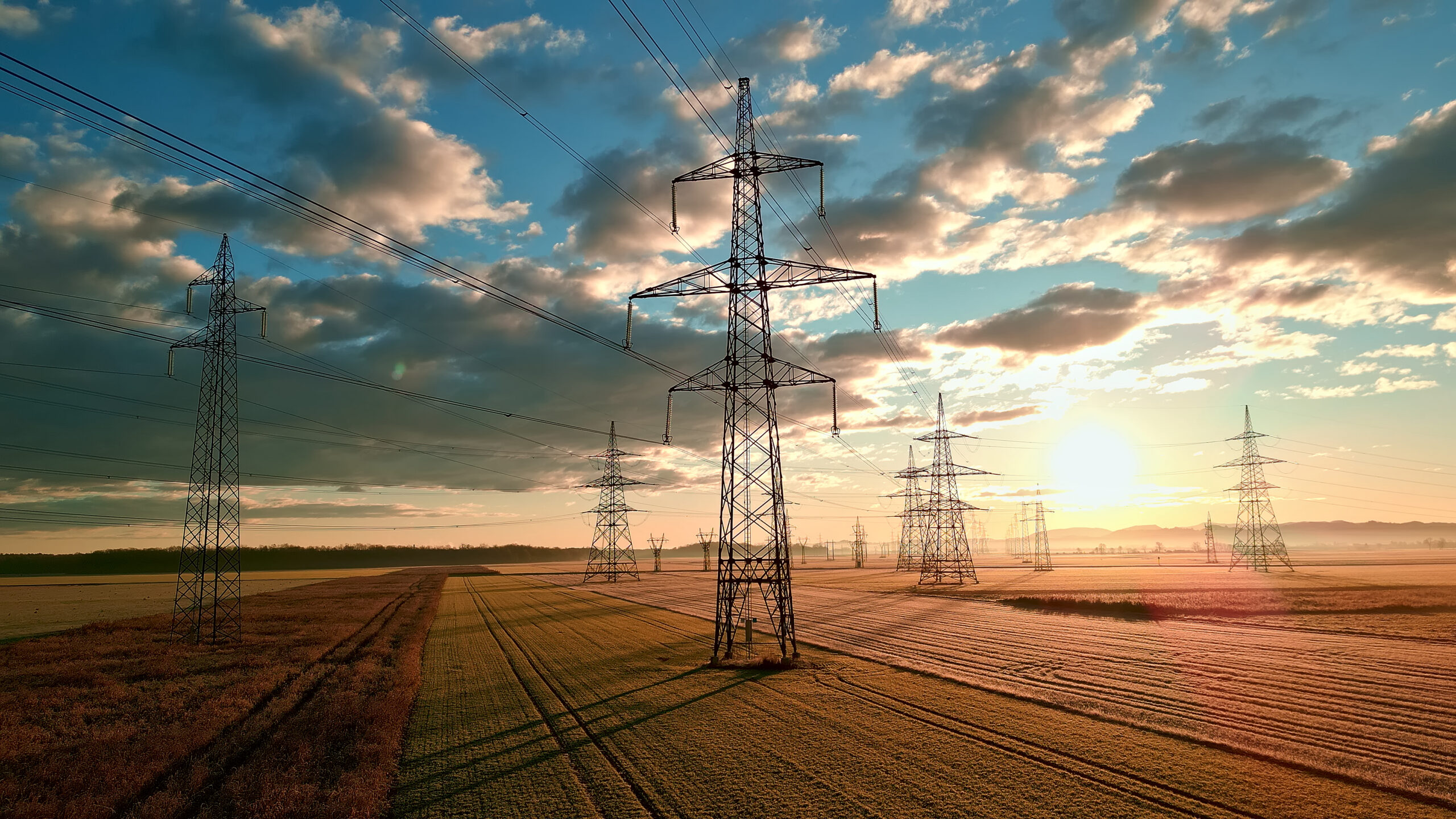
    The grid is losing its buffer: The U.S. power market is repricing reliability- oil and gas 360


    The immediate catalyst is PJM Interconnection’s move to consider a broad overhaul of how its markets price and procure capacity, a signal that the existing framework is no longer aligned with the demands placed on it.

    PJM operates the largest wholesale electricity market in the United States, and its structure has long served as a reference point for competitive power markets.

    The pressures now driving change are not isolated to one region. They reflect a broader shift in how electricity is generated, consumed, and valued.

    Demand is rising in ways the system was not designed to handle. Data centers, particularly those tied to AI and cloud infrastructure, are adding large, continuous loads.

    Electrification across transportation and industry is increasing baseline demand. At the same time, the generation mix is becoming more variable. Wind and solar capacity continue to expand, but output does not always align with peak demand periods.

    The result is a system that clears economically but is tightening operationally.

    Prices have often been insufficient to support new investment in firm capacity, even as reserve margins decline.

    Several grid operators have warned that reliability buffers are narrowing faster than anticipated. Delays in permitting, interconnection, and construction have compounded the issue, while retirements of legacy generation have reduced available capacity.

    PJM’s review is an attempt to address this imbalance. While details remain under development, the direction is clear: the market must better reflect the value of reliability.

    That includes revisiting how capacity is accredited, how performance is measured, and how scarcity is priced. The shift is subtle but important, from pricing energy output to pricing the ability to deliver when it matters most.

    This trend extends beyond PJM. In Texas, the Electric Reliability Council of Texas has already leaned more heavily on scarcity pricing. In California, the California Independent System Operator continues to manage tight supply conditions with a growing reliance on imports, storage, and demand response.

    In the Northeast, winter reliability concerns have brought renewed focus to fuel availability and infrastructure constraints.

    Across regions, the pattern is consistent. The grid is being asked to operate with less predictability and tighter margins, while the mechanisms for valuing reliability are still catching up.

    Transmission adds another layer of complexity. New generation is often located far from demand centers, requiring infrastructure that can take years to build. In the interim, congestion increases, limiting the effective supply available to the market.

    The system is not failing, but it is becoming more sensitive to disruption.

    What is emerging is a market where reliability is no longer implicit. It is being explicitly valued and increasingly explicitly priced.

    For consumers, that is likely to translate into higher costs and greater volatility. For investors, it signals a shift in where value is created, toward assets and infrastructure that can provide certainty in an increasingly uncertain system.

    The broader direction is clear. The U.S. power market is being recalibrated not just to meet policy objectives but also to ensure that the system can continue to function as demand grows and conditions become more complex.

    About Oil & Gas 360 

    Oil & Gas 360 is an energy-focused news and market intelligence platform delivering analysis, industry developments, and capital markets coverage across the global oil and gas sector. The publication provides timely insight for executives, investors, and energy professionals. 

    Disclaimer 

    This opinion article is provided for informational purposes only and does not constitute investment, legal, or financial advice. The views expressed are based on publicly available information and market conditions at the time of publication and are subject to change without notice. 


    Source link

    AI data centers PJM Interconnection power demand US grid operators
    Share. Facebook Twitter Pinterest LinkedIn Tumblr Telegram Email
    Previous ArticleThe State of the Options Industry: Q1 2026
    Next Article After using Lenovo’s $2,600 Yoga, I’m taking premium Windows laptops seriously again
    Money Mechanics
    • Website

    Related Posts

    Drone attack cuts output at Kazakhstan’s Karachaganak oil field

    June 28, 2026

    U.S. rig count increased by 10, is at 573

    June 28, 2026

    Traffic through Strait of Hormuz slows after attack on ship

    June 27, 2026
    Add A Comment
    Leave A Reply Cancel Reply

    Top Posts

    Will Your Retirement Income Increase Your Medicare Premiums?

    June 29, 2026

    ‘Zombie HOA’ Now the Center of Lawsuit in Florida

    June 29, 2026

    IMO pauses Hormuz ship evacuation plan after vessel attack

    June 28, 2026

    California law targeting loud streaming ads takes effect on July 1

    June 28, 2026

    Subscribe to Updates

    Please enable JavaScript in your browser to complete this form.
    Loading

    At Money Mechanics, we believe money shouldn’t be confusing. It should be empowering. Whether you’re buried in debt, cautious about investing, or simply overwhelmed by financial jargon—we’re here to guide you every step of the way.

    Facebook X (Twitter) Instagram Pinterest YouTube
    Links
    • About Us
    • Contact Us
    • Disclaimer
    • Privacy Policy
    • Terms and Conditions
    Resources
    • Breaking News
    • Economy & Policy
    • Finance Tools
    • Fintech & Apps
    • Guides & How-To
    Get Informed

    Subscribe to Updates

    Please enable JavaScript in your browser to complete this form.
    Loading
    Copyright© 2025 TheMoneyMechanics All Rights Reserved.
    • Breaking News
    • Economy & Policy
    • Finance Tools
    • Fintech & Apps
    • Guides & How-To

    Type above and press Enter to search. Press Esc to cancel.