


(Image credit: Alex Wong / Staff)
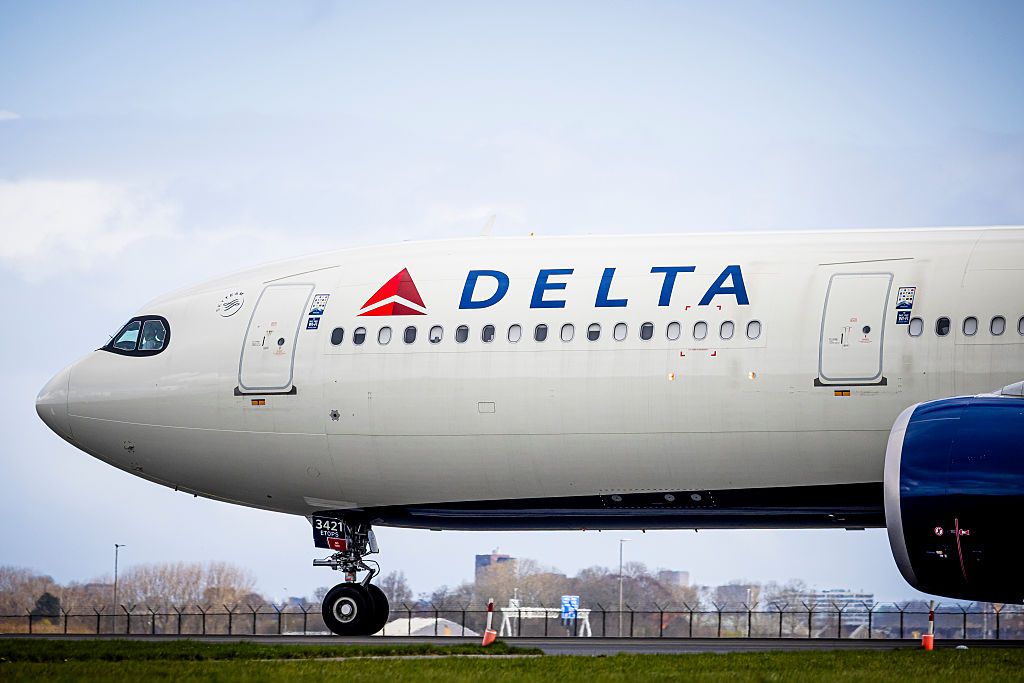
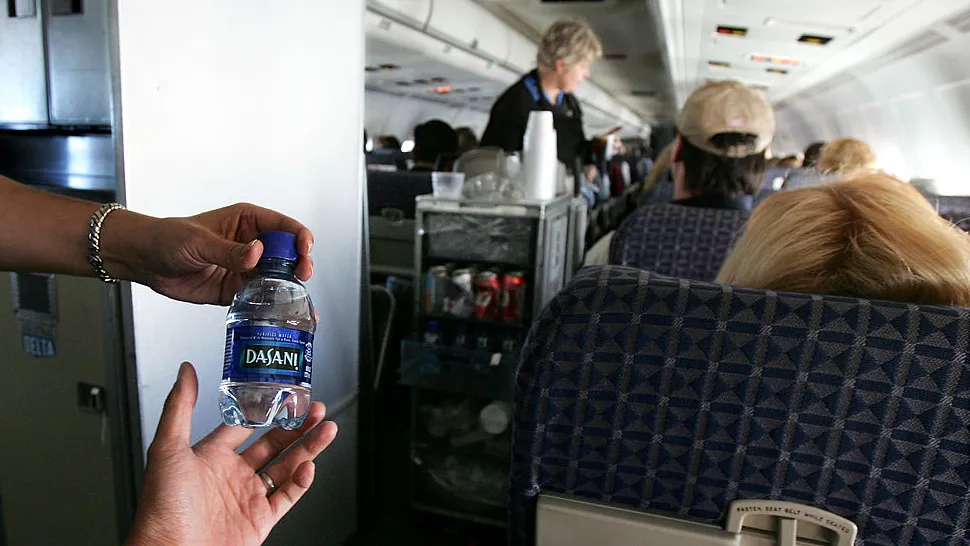
Your short-haul flights with Delta Air Lines are about to change. The airline recently announced it would discontinue complimentary drinks and snacks on 450 short-haul flights, starting May 19.
What constitutes a short-haul flight? According to Delta, it’s any route less than 349 miles. This affects some of the country’s busiest routes, such as New York to Boston, Charlotte to Atlanta and Los Angeles to San Francisco. The change applies to all Delta Main and Delta Comfort+ passengers. First-class passengers won’t be affected.
This comes at a time when air travel is facing challenges due to rising jet fuel costs, which are forcing airlines to cut back on freebies. Delta announced they’re making the change to streamline in-flight operations, where crew members have a narrow window to complete the snack and beverage service before descent.
Sign up for Kiplinger’s Free Newsletters
Profit and prosper with the best of expert advice on investing, taxes, retirement, personal finance and more – straight to your e-mail.
Profit and prosper with the best of expert advice – straight to your e-mail.
How does this policy compare to other airlines?
This isn’t the first airline to restrict services for shorter flights. American and Southwest Airlines start beverage and snack service for flights 251 miles or more. United Airlines offers snacks and drinks on flights over 300 miles, making Delta’s new policy among the strictest of the major airlines for snack offerings.
This is on the cusp of Delta raising checked bag prices to help offset higher fuel costs due to the war in Iran. For domestic and short-haul international flights moving forward, here’s the new fee structure:
- First bag: $45, was $35
- Second bag: $55, was $45
- Third bag: $200, was $150
It isn’t all doom and gloom. While Delta won’t offer snacks and drinks on shorter flights, it’s expanding its snack and beverage service to over 600 more flights.
Delta announced it would upgrade service on these flights from its limited beverage service, which included water, coffee or tea, to full beverage service with complimentary snacks. This is good news at a time when the airline is facing its share of reliability issues.
Delta facing staffing shortages
(Image credit: Getty Images)
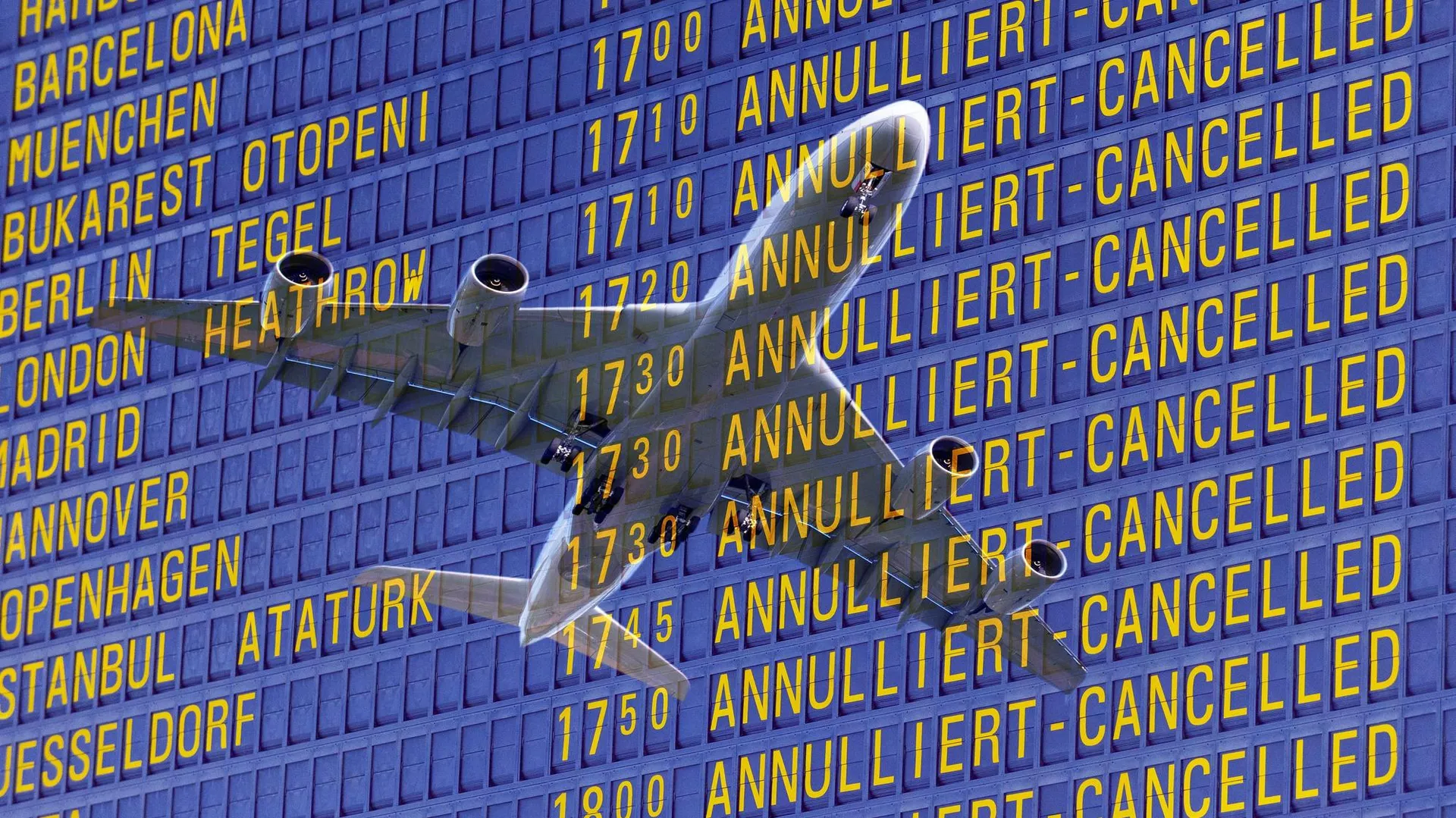
The beginning of May has not been a friendly time for Delta. The airline has had to cancel around 500 flights, significantly more than its competitors.
The reason? In a memo obtained by Business Insider from Ryan Gumm, Delta’s senior vice president of flight operations, he noted that pilots were not taking extra flights aside from their regular schedules. The memo also noted that acceptance rates have dropped from 37% to 2%.
This trend won’t go away overnight either. In a recent earnings call, Chief Executive Officer Ed Bastian said the airline’s recovery and reliability are not up to par. And that these challenges could stay throughout the summer months, even with a focus on hiring more pilots.
With all this in mind, if you plan to fly with Delta this summer, here are a few things that can make your trip run more smoothly:
- Monitor your flights: Download the Delta app and enable app notifications; use third-party trackers like Flighty or Flight Aware, as they can provide quicker flight notifications than airlines
- Pack for delays: Keep essentials like chargers and prescription meds in your carry-on
- Be prepared to rebook: If your flight is cancelled, use Delta’s app to rebook, as it’s usually much quicker than waiting in long customer service lines
- In-flight comfort: Pack essentials to make your air travel more comfortable, and don’t forget snacks and drinks on shorter flights
Overall, Delta’s decision not to provide snacks and drinks on short-haul flights is bound to ruffle some feathers. But at the same time, I take shorter flights pretty regularly, and attending to everyone’s needs while serving a full flight in a 30 to 40-minute window can be daunting for flight attendants. It can also make cleaning in between flights more time-consuming, which can impact future flights.
The best piece of advice is to plan for all contingencies. That way, if the worst-case scenario happens, you have back up plans to turn to.
