


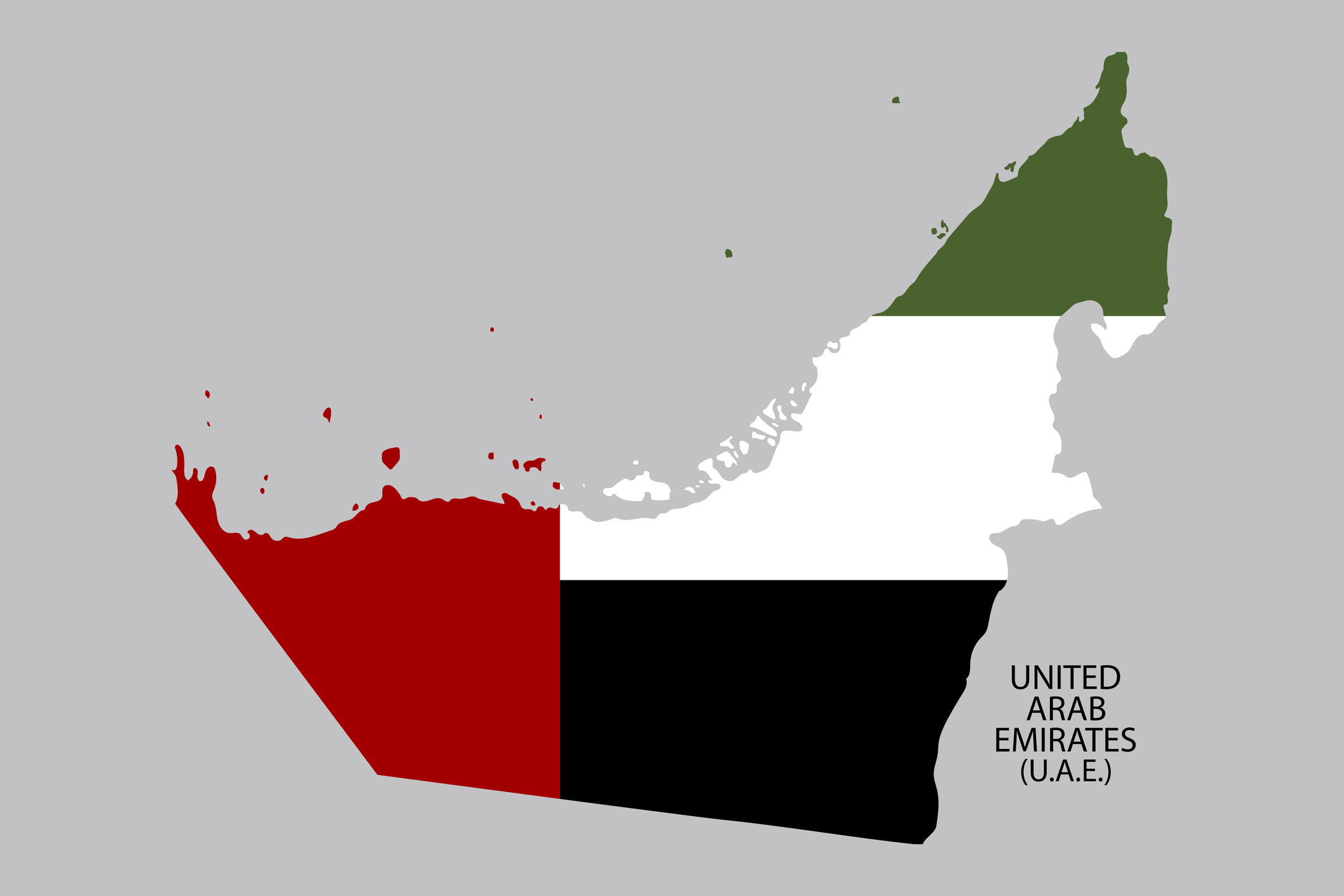
(By Oil & Gas 360) – The United Arab Emirates stepping away from OPEC and the broader OPEC+ framework would mark one of the most consequential shifts in oil market governance in decades.

For a group that has long relied on cohesion, quota discipline, and the political alignment of its core Gulf members, the loss of a major, technically capable producer changes more than just volumes. It changes incentives, leverage, and the way the market interprets every future decision.
The UAE is not a marginal player. It is one of the few countries in the group with meaningful spare capacity, strong balance sheets, and a clear strategy to expand production over time. That combination has increasingly put it at odds with a system designed to restrain output.
Over the past several years, the UAE has invested heavily to raise capacity and modernize operations, positioning itself to produce more, not less. Remaining bound to quotas that limit that growth has become harder to justify domestically.
If the UAE exits, the immediate effect is not necessarily a flood of oil. Abu Dhabi has historically been measured and commercially disciplined. But the signal to the market is powerful.
It suggests that even core Gulf producers may prioritize national strategy over collective management when the gap between capacity and quotas widens too far.
For Saudi Arabia, the implications are direct. Riyadh has been the de facto leader of OPEC and the primary enforcer of production discipline.
Its strategy has relied on coordinating cuts across the group while using its own spare capacity to stabilize markets when needed. That model depends on alignment, particularly with fellow Gulf producers.
The UAE’s departure would reduce Saudi Arabia’s ability to manage supply through consensus and increase the burden on the Kingdom to act unilaterally if it wants to influence prices.
That raises a harder choice, Saudi Arabia can continue to defend price levels through deeper cuts, but at the cost of market share, or it can allow more supply into the market and accept lower prices.
Either path becomes more difficult if a close regional partner is no longer bound by the same framework.
For the rest of OPEC, the message is equally important, many member countries already struggle to meet quotas, let alone exceed them.
The group has increasingly relied on a smaller number of producers, primarily Saudi Arabia, the UAE, and a handful of others, to deliver meaningful adjustments.
If one of those key players exits, the credibility of the quota system comes into question. Smaller producers may be less inclined to comply with targets if they see the framework weakening at the top.
The impact on OPEC+ adds another layer. The broader alliance, particularly with Russia, was designed to extend OPEC’s influence and bring additional supply under coordinated management.
A UAE exit would not dissolve OPEC+, but it would introduce new uncertainty about how durable that alignment is. Russia and Saudi Arabia could continue to coordinate, but the loss of cohesion within the core OPEC group makes the broader alliance more fragile.
For the Middle East more broadly, the shift is subtle but important, the region would still dominate global low-cost supply, but the internal dynamics would change.
Instead of acting as a more unified bloc in managing markets, Gulf producers could begin to operate with greater independence; that does not mean open competition, but it does mean less automatic alignment. Over time, that could lead to more variability in how production decisions are made and communicated.
For global markets, the effect is a gradual move away from centralized control. OPEC has never fully controlled oil prices, but it has influenced expectations.
A more fragmented structure reduces that influence. Markets would place greater weight on individual country strategies rather than collective announcements. Price volatility could increase, particularly during periods of disruption, as coordination becomes less predictable.
For the United States, the implications are mixed. On one hand, a weaker OPEC structure reduces the risk of coordinated supply cuts that push prices sharply higher.
More independent production decisions from major exporters can act as a counterbalance to tight markets. That benefits U.S. consumers and, in some cases, the broader economy.
On the other hand, increased fragmentation can also lead to less stability. The U.S. shale sector thrives in environments where price signals are clear and relatively stable. Greater volatility complicates capital planning and investment decisions.
At the same time, if Gulf producers prioritize market share over price, it could create downward pressure on oil prices, affecting U.S. producers’ margins and activity levels.
There is also a strategic dimension.
The U.S. has spent years navigating its relationship with OPEC, balancing domestic production growth with global market dynamics. A shift in how the group operates, or a weakening of its cohesion, changes that equation.
It creates both opportunities for greater market influence and challenges in managing more unpredictable supply behavior from key exporters.
The broader takeaway is not that OPEC disappears, it is that its role evolves.
A UAE exit would not end coordinated production management, but it would mark a move toward a looser, less centralized system.
One where major producers retain more flexibility, where alliances are more situational, and where the market relies less on formal quotas and more on real-time supply signals.
For decades, OPEC’s strength has been its ability to act collectively, the question now is what happens when that collective begins to loosen.
Because in oil markets, structure matters, and when the structure changes, so does everything built on top of it.
About Oil & Gas 360
Oil & Gas 360 is an energy-focused news and market intelligence platform delivering analysis, industry developments, and capital markets coverage across the global oil and gas sector. The publication provides timely insight for executives, investors, and energy professionals.
Disclaimer
This opinion article is provided for informational purposes only and does not constitute investment, legal, or financial advice. The views expressed are based on publicly available information and market conditions at the time of publication and are subject to change without notice.
