


(Image credit: NurPhoto via Getty Images)
Energy is something we cannot do without. It’s been that way since homo sapiens were living in caves. Wood-burning fires helped protect people from dangerous carnivores, kept caves warm, and provided light at night. In short, it was basic.
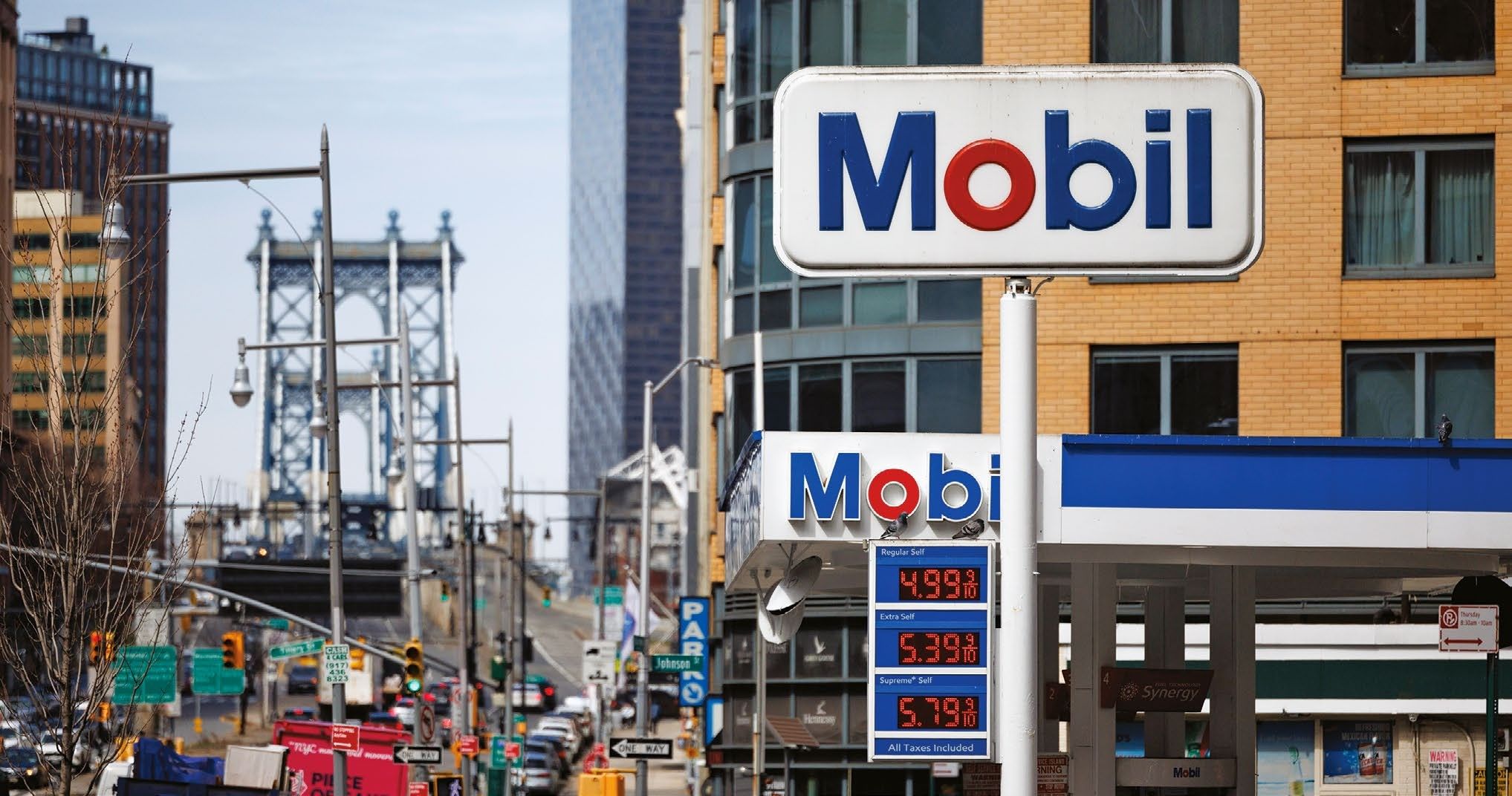
But in much of this century, many of us have taken the availability of affordable energy for granted. We expect that when we turn on the heat at home, it will work. And since the energy shocks of the 1970s, we have expected the cost will not break the bank. Likewise, getting gasoline from the filling station is easy and has been readily available at a reasonable price.
That’s changed since the U.S. and Israel attacked Iran. It has brought energy-related matters to the forefront. Across the world, electricity, gasoline, diesel fuel, crude oil, fertilizer, and natural gas have all seen sharp price rises. And it is not always obvious to most people why that has happened. We asked some experts why and what is happening, and at the same time, dug out some credible data that could tell us what’s coming down the pike.
Sign up for Kiplinger’s Free Newsletters
Profit and prosper with the best of expert advice on investing, taxes, retirement, personal finance and more – straight to your e-mail.
Profit and prosper with the best of expert advice – straight to your e-mail.
1. Extracting crude oil, refining and distributing are complicated.
Oil companies usually start by locating an oil deposit, then extract it from the ground or from undersea reserves. Next, the oil needs to be refined, so it’s often shipped on massive vessels known as VLCCs (very large crude carriers). When it gets to a refinery, the oil is converted into a variety of distillates, typically gasoline, diesel fuel, heating oil, and others. After refining is complete, the distillates are trucked to distributors, such as filling stations, across the U.S. If any part of the process is interrupted, prices can change.
The size of the price change will depend on the magnitude of the disruption.
2. Middle East at war in an energy zone.
On Feb. 28, the U.S. and Israel attacked Iran. With 89 million people, Iran is the second largest country (behind Egypt) in the Middle East, where 30% of the world’s oil is pumped.
But what happens in the Middle East doesn’t stay in the Middle East. If there’s a worry about access to oil, no matter where it’s happening, traders in New York, London, and Chicago quickly bid up the price.
“U.S. oil prices are sensitive to global prices,” says Rob Haworth, senior investment strategist at U.S. Bank.
3. What matters about the Strait of Hormuz?
The Strait of Hormuz is a narrow waterway connecting the Persian Gulf to the Indian Ocean. At its narrowest point, the navigation lane is a vulnerable and easily mined two miles wide — half the range of a World War II-era torpedo.
As of this writing, the Strait is shut down, choking off as much as 25% of the world’s oil. And it’s not just the belligerents who have shut down shipments. Insurance companies have driven up the cost of insuring vessels while shipping companies want to stay out of harm’s way. “We are hearing shipping crews are reluctant to take on this role due to the risk of life,” Haworth says.
4. Who’s the king of crude oil output?
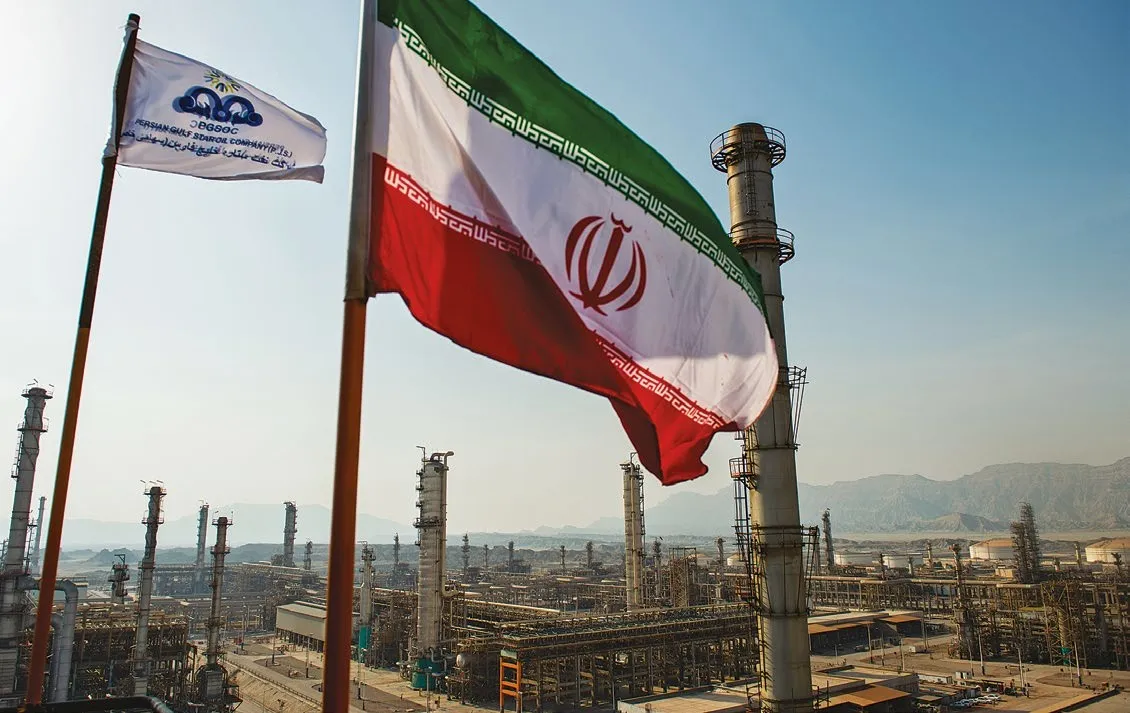
An Iranian national flag flies above the new Phase 3 facility at the Persian Gulf Star Co. (PGSPC) gas condensate refinery in Bandar Abbas, Iran, on Wednesday, Jan. 9. 2019. The third phase of the refinery begins operations next week and will add 12-15 million liters a day of gasoline output capacity to the plant, Deputy Oil Minister Alireza Sadeghabadi told reporters. Photographer: Ali Mohammadi/Bloomberg via Getty Images
(Image credit: Bloomberg via Getty Images)
The U.S. is No. 1 in oil production — 13.7 million barrels per day in mid-March. Although the U.S. is the king of the oil patch, it doesn’t control the price of its own oil. Remember those traders in New York, London and Chicago? They’ve driven up the price of a barrel of crude oil to over $100, versus about $65 before the war. According to AAA, the national average for a gallon of regular gas was $3.96 the last week of March, up more than a buck since before the war started.
To put it another way, the attack on Iran and the subsequent closing of the Strait drove up the price of filling your car 35%. It now costs about $360 more to fill the tanks of a long-haul semi-truck than it did in February.
5. Don’t expect quick drops in gasoline prices.
History shows that oil prices jump up quickly even on the potential of an oil blockade or a possible disruption.
In 2022, Russia invaded Ukraine, and the price of benchmark West Texas Intermediate crude shot up from $78 a barrel at the beginning of the year to $116 by May 30. It took until December 15 to fall to $57. The slow drop was due to production cuts by OPEC (Organization of the Petroleum Exporting Countries) plus Russia, says Rob Thummel, a senior portfolio manager at Infrastructure Capital Advisors.
“The supply was restricted,” he says. Goldman Sachs warned in late March that the price of oil, and therefore, gasoline, could remain elevated until 2027.
6. The war has delivered profits to energy investors.
Since January, the energy sector has delivered exceptional returns. The State Street Energy Select Sector SPDR exchange-traded fund, which tracks a basket of energy stocks, had gained 34% excluding dividends by late March.
In contrast, the S&P 500 index lost 3.9% over the same period. It also helped that energy companies are better run than ever. “They generated free cash flow and paid down debt,” Thummel says.
7. Energy is vital for food.
(Image credit: Getty Images)
“Food is 50% energy. Unless we open up the Strait, food prices will skyrocket.” — Jay Hatfield
When you buy a loaf of bread, the cost includes energy.
Farmers typically use diesel-powered tractors to plant and harvest the wheat, plus fertilizer, which is often derived from natural gas. That has to be milled into flour (using energy), made into bread in an oven (which uses energy), and taken to the store (likely via a diesel-powered truck).
“The cost of food will rise,” says Jay Hatfield, CEO of Infrastructure Capital. “There is a huge bleed-through because food is 50% energy. Unless we open up the Strait, food prices will skyrocket.”
8. Expect an inflationary surge.
When the price of energy increases, it tends to have an impact on costs across the board. The elevated prices of crude oil, gasoline, heating oil and natural gas will trickle through the global economy, raising prices of almost everything.
“The reality for this economy is that there’s nowhere in the economy that fossil fuels don’t touch,” Haworth says.
9. Another energy risk: Artificial intelligence.
“The U.S. will need a lot of electricity to benefit data centers,” Hatfield says.
10. All of the above.
The latest Middle East war has brought energy awareness back to the forefront. But the constraints on oil distribution and the rapidly rising demands for more electricity suggest a long-term adjustment in both the U.S.’s and the rest of the world’s energy infrastructure.
It looks like we will need more oil, more coal, more hydro, more wind, more solar, more nuclear, more of everything to power the 21st century. Or, as Rob Thummel puts it: “The need for electricity is the new oil.”
Note: This item first appeared in Kiplinger Retirement Report, our popular monthly periodical that covers key concerns of affluent older Americans who are retired or preparing for retirement. Subscribe for retirement advice that’s right on the money.
