



(Image credit: Getty Images)
Before the 2008 housing crisis, some lenders offered homeowners 80/20 “piggyback” loans to help cover a down payment while avoiding private mortgage insurance (PMI). Borrowers took out a second mortgage or HELOC for 20% of the home’s value, leaving the primary mortgage at 80% and eliminating the need for PMI.
When home prices crashed, many of those second mortgages lost value and quietly went dormant. But now, loans long assumed to be settled are resurfacing.
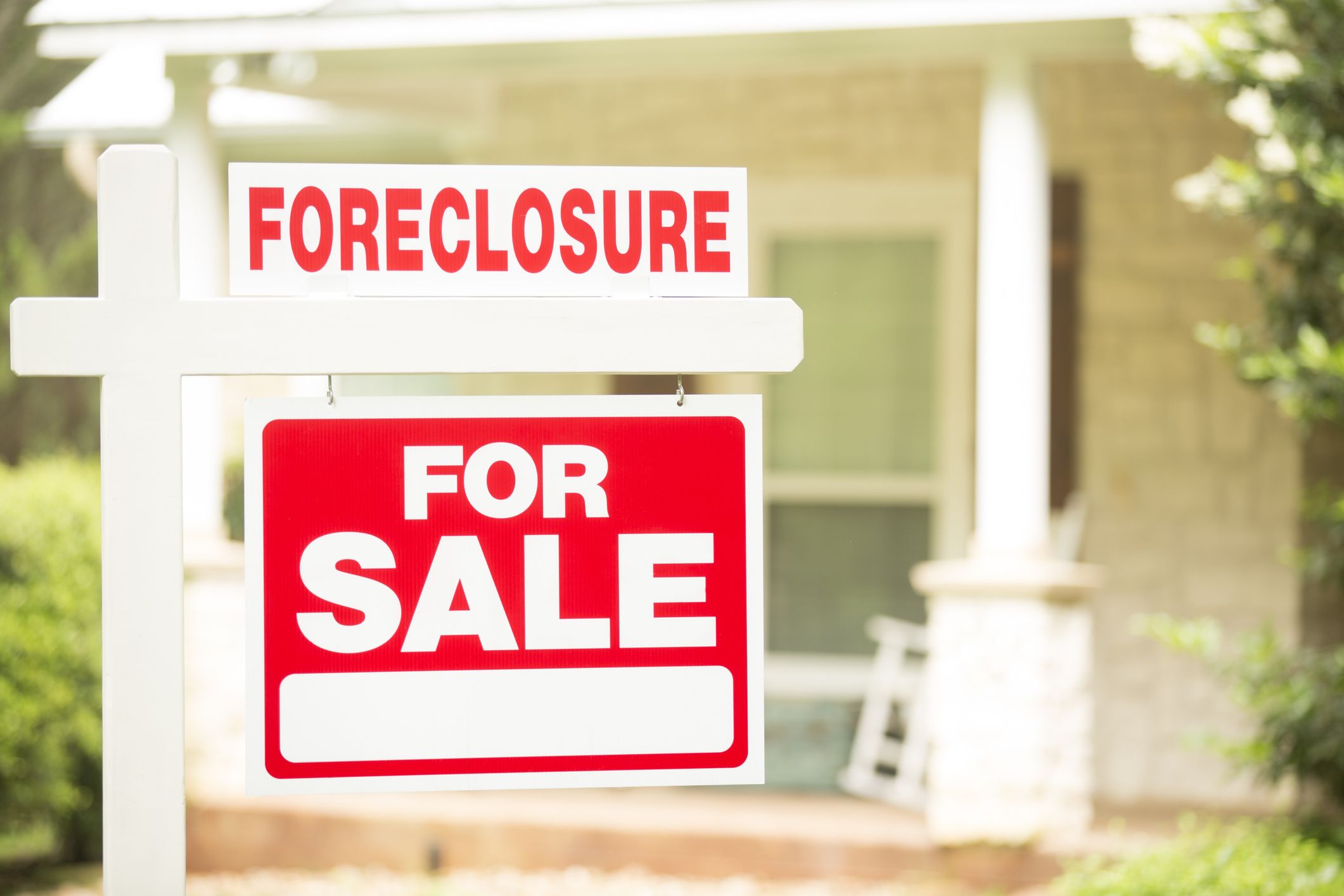
Known as zombie mortgages, they’re catching homeowners off guard — leaving some suddenly on the hook for far more than expected and, in some cases, facing foreclosure.
Sign up for Kiplinger’s Free Newsletters
Profit and prosper with the best of expert advice on investing, taxes, retirement, personal finance and more – straight to your e-mail.
Profit and prosper with the best of expert advice – straight to your e-mail.
Why zombie mortgages are resurfacing now
When the Great Recession hit in 2008, home values fell and many homeowners struggled to keep up with second mortgage payments. Some borrowers defaulted, and as prices dropped, those second mortgages became largely worthless to lenders.
In many cases, lenders could have seized and resold the homes, but the math did not work. Sale proceeds often would not have covered even the primary mortgage, so second liens were written off as losses. Collection efforts slowed or stopped altogether, and many borrowers stopped receiving statements. Over time, these loans simply went dormant.
But home values have surged, changing the math behind those once-worthless loans. The median U.S. home price has nearly doubled from about $214,300 in 2009 to more than $405,000 in 2025, according to Federal Reserve Bank of St. Louis data.
That renewed equity has made these old debts valuable again. Debt buyers are purchasing them for pennies and attempting to collect. If homeowners cannot repay, those buyers may move to foreclose and sell the property for a profit.

(Image credit: Future)
How big is the problem?
The zombie mortgage problem is widespread. An estimated hundreds of thousands of these second mortgages still exist nationwide, and some homeowners are receiving collection notices decades after they believed the debt had been resolved.
The sudden reappearance can be jarring, and for those unable to pay, the consequences are serious — including the risk of foreclosure, even if they are current on their primary mortgage.
Why homeowners didn’t know they still owed the debt
Several factors have led homeowners to believe their second mortgage debt was discharged or resolved. In some cases, borrowers assumed the second loan was included in a modification of their primary mortgage. But if the second loan was held by a different servicer, it often was not included and simply went dormant.
Communication issues have also played a role. Some homeowners received little to no contact from servicers for years, sometimes more than a decade, even as interest continued to accrue in the background.
In other cases, tax documents suggested the debt had been cancelled, and the second mortgage disappeared from credit reports. Together, these signals reinforced the belief that the loan had been resolved, when in reality it remained outstanding.
What happens when a zombie mortgage comes back
A zombie mortgage can quickly turn a homeowner’s finances upside down. Debt collectors often arrive with sudden payment demands, leaving borrowers scrambling to understand a debt they may not have known still existed.
The situation is often compounded by time. Years of missed payments mean interest and fees have continued to build, leaving borrowers owing far more than the original balance.
Even homeowners who are current on their primary mortgage can face foreclosure if they cannot pay the second lien. As a result, many are forced to quickly negotiate repayment plans or risk losing their homes.
Are zombie mortgages legal?

(Image credit: Getty Images)
Zombie mortgages are typically legal if the debt was never formally discharged, but there are some grey areas around how the debt is handled.
In 2023, the Consumer Financial Protection Bureau (CFPB) provided guidance to debt collectors, indicating that foreclosing on homes with mortgages that are past the statute of limitations may violate the Fair Debt Collection Practices Act.
According to the National Consumer Law Center Digital Library, the statute of limitations for foreclosures varies from state to state, but in many jurisdictions, the statute of limitations for foreclosures is six years.
Debt collection practices have also raised concerns. Some debt buyers use aggressive tactics, including threatening foreclosure on loans that have been dormant for years. In some cases, documentation has been called into question. Bloomberg has reported on families contacted by collectors whose records appeared inconsistent, including instances where documents were dated years before the debt was actually acquired.
Regulatory oversight remains uncertain. The CFPB was working to address the gray areas of zombie mortgages, but its work is still in limbo after the Trump Administration ordered the Bureau to stop all work in 2025, according to CNBC. Consumer Reports states that CFBP employees filed a lawsuit to stop mass layoffs, but most of the Bureau’s enforcement actions have been dropped, leaving consumers with fewer protections as these cases resurface.
How these old loans can resurface
Zombie mortgages are often tied to second mortgages or HELOCs issued during the early 2000s housing boom. After a foreclosure, refinance or bankruptcy involving the primary mortgage, the second lien may have gone quiet, leading homeowners to assume it was dismissed or satisfied.
In many cases, however, the loan was never formally released, even if statements stopped arriving. Over time, those dormant loans were sold to debt buyers, who can attempt to collect years later. With home prices rising, these old second mortgages have become more valuable, making them an attractive target for collection.
Many homeowners only discover the debt when they try to refinance or sell their home. Others are alerted by a notice from a new loan servicer demanding payment. In some cases, the loan surfaces during a review of property or title records.
How today’s borrowing trends echo the past
Today’s borrowing trends are increasing the likelihood of another wave of zombie mortgages. According to HousingWire, rising property taxes, higher home insurance costs and elevated home prices have made refinancing or moving less practical for many households.
Instead, more homeowners are turning to second liens and HELOCs to tap their home equity for large expenses, increasing the use of these types of loans.
While these tools can serve a purpose, the growing risk of zombie mortgages highlights the pitfalls tied to second liens and HELOCs. These loans can become problematic when borrowers lose track of terms, balances or servicing changes over time.
The lesson is practical: homeowners should closely review loan documentation, monitor balances and not assume a debt has been resolved simply because statements stop arriving.
Periodically checking property and title records can help confirm whether a second lien is still attached to the home and reduce the risk of costly surprises later.
