Close Menu
Money MechanicsMoney Mechanics
    What's Hot

    Energy Markets Brace for a Prolonged Supply Disruption

    March 16, 2026

    The Oldest Americans Hold a Record Share of Real Estate Wealth

    March 16, 2026

    How to clear your Roku TV cache (and put an end to slow performance)

    March 16, 2026
    Facebook X (Twitter) Instagram
    Trending
    • Energy Markets Brace for a Prolonged Supply Disruption
    • The Oldest Americans Hold a Record Share of Real Estate Wealth
    • How to clear your Roku TV cache (and put an end to slow performance)
    • Ray Dalio’s Strategy for Navigating Market Crashes
    • Iran conflict could prolong ‘well into spring’, pushing oil above 2022 highs – Oil & Gas 360
    • Top Commodities for Portfolio Diversification: Oil, Gold, & Metals
    • Futures Point Higher After Major Indexes Close Lower for 3rd Straight Week; Oil Hovers Near $100/Barrel
    • What the Top 10% Save for Retirement: Key Strategies
    Facebook X (Twitter) Instagram
    Money MechanicsMoney Mechanics
    • Home
    • Markets
      • Stocks
      • Crypto
      • Bonds
      • Commodities
    • Economy
      • Fed & Rates
      • Housing & Jobs
      • Inflation
    • Earnings
      • Banks
      • Energy
      • Healthcare
      • IPOs
      • Tech
    • Investing
      • ETFs
      • Long-Term
      • Options
    • Finance
      • Budgeting
      • Credit & Debt
      • Real Estate
      • Retirement
      • Taxes
    • Opinion
    • Guides
    • Tools
    • Resources
    Money MechanicsMoney Mechanics
    Home»Personal Finance»Credit & Debt»War in Iran Threatens Higher Fuel Prices, Renewed Inflation
    Credit & Debt

    War in Iran Threatens Higher Fuel Prices, Renewed Inflation

    Money MechanicsBy Money MechanicsMarch 16, 2026No Comments4 Mins Read
    Facebook Twitter LinkedIn Telegram Pinterest Tumblr Reddit WhatsApp Email
    War in Iran Threatens Higher Fuel Prices, Renewed Inflation
    Share
    Facebook Twitter LinkedIn Pinterest Email


    To help you understand what’s going on in politics and the economy and what we expect to happen in the future, our highly experienced Kiplinger Letter team will keep you abreast of the latest developments and forecasts (Get a free issue of The Kiplinger Letter or subscribe). You’ll get all the latest news first by subscribing, but we will publish many (but not all) of the forecasts a few days afterward online. Here’s the latest…

    Iran is down but not out. What lies ahead for the military situation and its economic impacts?

    A clear-cut victory may prove elusive. American forces have performed effectively and demonstrated the superiority of U.S. weaponry. But Iran’s regime remains in place, shows no signs of collapsing, and vows to keep fighting. Its defeat may require a ground invasion, a daunting scenario that President Trump appears unwilling to order.

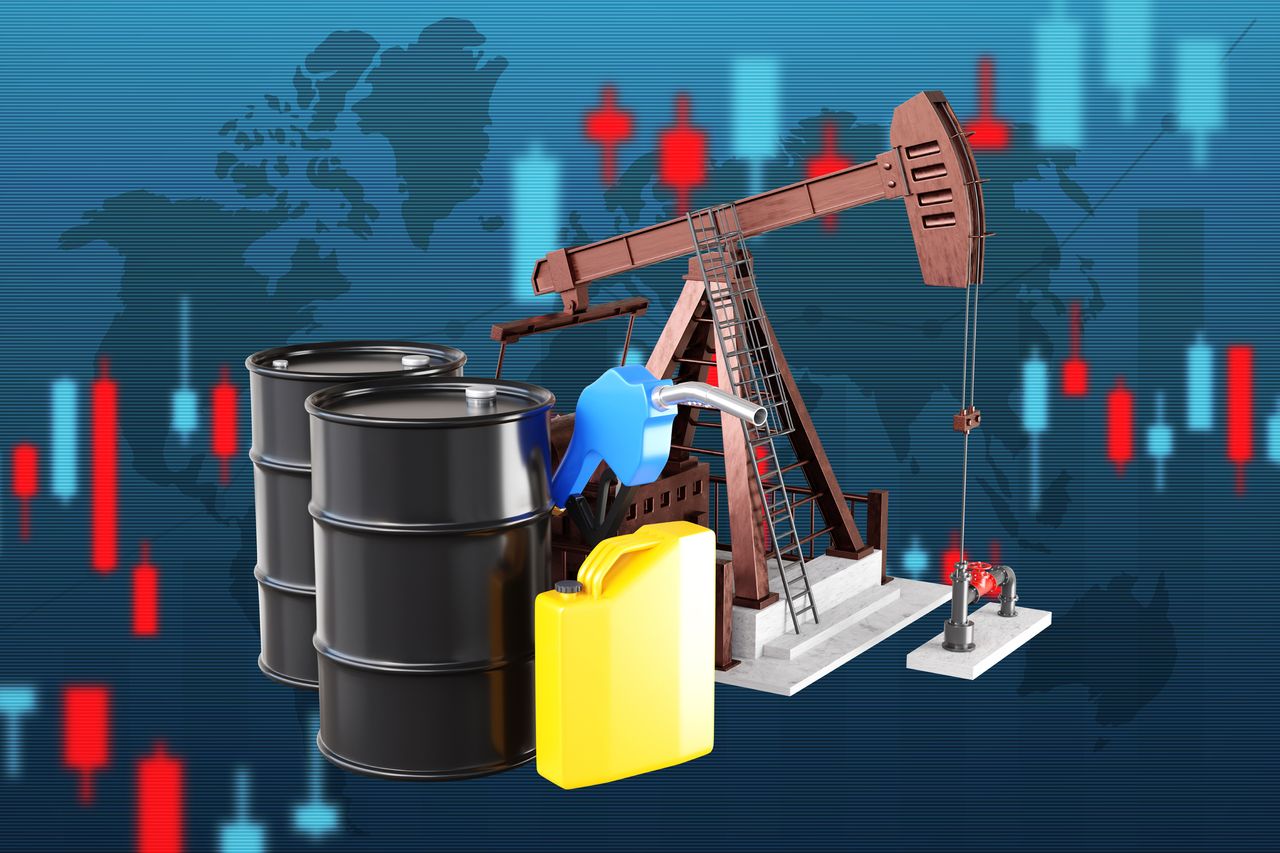
    Tehran is waging an economic conflict since it can’t defeat the U.S. on the battlefield. The target: The region’s energy industry, a vital component of the global economy. Exports of oil and gas from the Persian Gulf are on hold, forcing some countries in the region to curb output. Tankers, refineries and other key energy facilities have been damaged by Iranian strikes. The longer this situation goes on, the harder it will become to restart energy exports whenever peace returns.

    Energy prices have already jumped. Barring a ceasefire, they will keep rising. Iran is betting that Trump will have to back off as voters sour on rising gas prices. He is betting the battered regime will fold first. As of now, the most likely scenario seems to be an incomplete U.S. victory, in which Iran is left badly weakened, but defiant and intent on rearming for later.

    Article continues below

    From just $107.88 $24.99 for Kiplinger Personal Finance

    Become a smarter, better informed investor. Subscribe from just $107.88 $24.99, plus get up to 4 Special Issues

    CLICK FOR FREE ISSUE

    Sign up for Kiplinger’s Free Newsletters

    Profit and prosper with the best of expert advice on investing, taxes, retirement, personal finance and more – straight to your e-mail.

    Profit and prosper with the best of expert advice – straight to your e-mail.

    The most serious economic risk of the war for the U.S. if the conflict drags on, is renewed inflation due to high energy prices. The economy is likely strong enough to stay out of recession, even though higher gas prices would probably crimp spending by many consumers. But if high fuel prices last longer and filter through the economy more broadly, inflation could prove painful and force the Federal Reserve to nix plans to trim interest rates. That would weigh on housing and other credit-sensitive sectors. In that scenario, Trump would come under mounting political pressure to declare peace.

    An industry particularly exposed to the ongoing Middle East chaos is farming. About half of urea fertilizer ships through the Strait of Hormuz, which Iran has effectively closed to maritime traffic, as does a fifth of global shipments of liquefied natural gas — vital to production as both a feedstock and an energy source.

    Prices are on the rise. Fertilizer prices have already increased by nearly 8%. Aluminum, another major Middle East commodity, has seen prices rise 32%. The effects of higher energy prices on Europe would be even more significant. Roughly 20% of the European Union’s crude oil and natural gas imports is sourced from the Middle East. The EU’s vulnerability is heightened by depleted gas storage following a cold winter. As with the energy price shock in 2022, a persistent rise in fuel prices now could spark another round of high inflation and a hit to GDP growth.

    This forecast first appeared in The Kiplinger Letter, which has been running since 1923 and is a collection of concise weekly forecasts on business and economic trends, as well as what to expect from Washington, to help you understand what’s coming up to make the most of your investments and your money. Subscribe to The Kiplinger Letter.

    Related Content


    Source link

    Share. Facebook Twitter Pinterest LinkedIn Tumblr Telegram Email
    Previous ArticleEmployee Misuse of AI Can Expose Your Business to Lawsuits
    Next Article What the Top 10% Save for Retirement: Key Strategies
    Money Mechanics
    • Website

    Related Posts

    Payback Period: Definition, Formula, and Calculation

    March 16, 2026

    Choose Your Financial Career Path

    March 15, 2026

    How It Works and Its Benefits

    March 15, 2026
    Add A Comment
    Leave A Reply Cancel Reply

    Top Posts

    Energy Markets Brace for a Prolonged Supply Disruption

    March 16, 2026

    The Oldest Americans Hold a Record Share of Real Estate Wealth

    March 16, 2026

    How to clear your Roku TV cache (and put an end to slow performance)

    March 16, 2026

    Ray Dalio’s Strategy for Navigating Market Crashes

    March 16, 2026

    Subscribe to Updates

    Please enable JavaScript in your browser to complete this form.
    Loading

    At Money Mechanics, we believe money shouldn’t be confusing. It should be empowering. Whether you’re buried in debt, cautious about investing, or simply overwhelmed by financial jargon—we’re here to guide you every step of the way.

    Facebook X (Twitter) Instagram Pinterest YouTube
    Links
    • About Us
    • Contact Us
    • Disclaimer
    • Privacy Policy
    • Terms and Conditions
    Resources
    • Breaking News
    • Economy & Policy
    • Finance Tools
    • Fintech & Apps
    • Guides & How-To
    Get Informed

    Subscribe to Updates

    Please enable JavaScript in your browser to complete this form.
    Loading
    Copyright© 2025 TheMoneyMechanics All Rights Reserved.
    • Breaking News
    • Economy & Policy
    • Finance Tools
    • Fintech & Apps
    • Guides & How-To

    Type above and press Enter to search. Press Esc to cancel.