


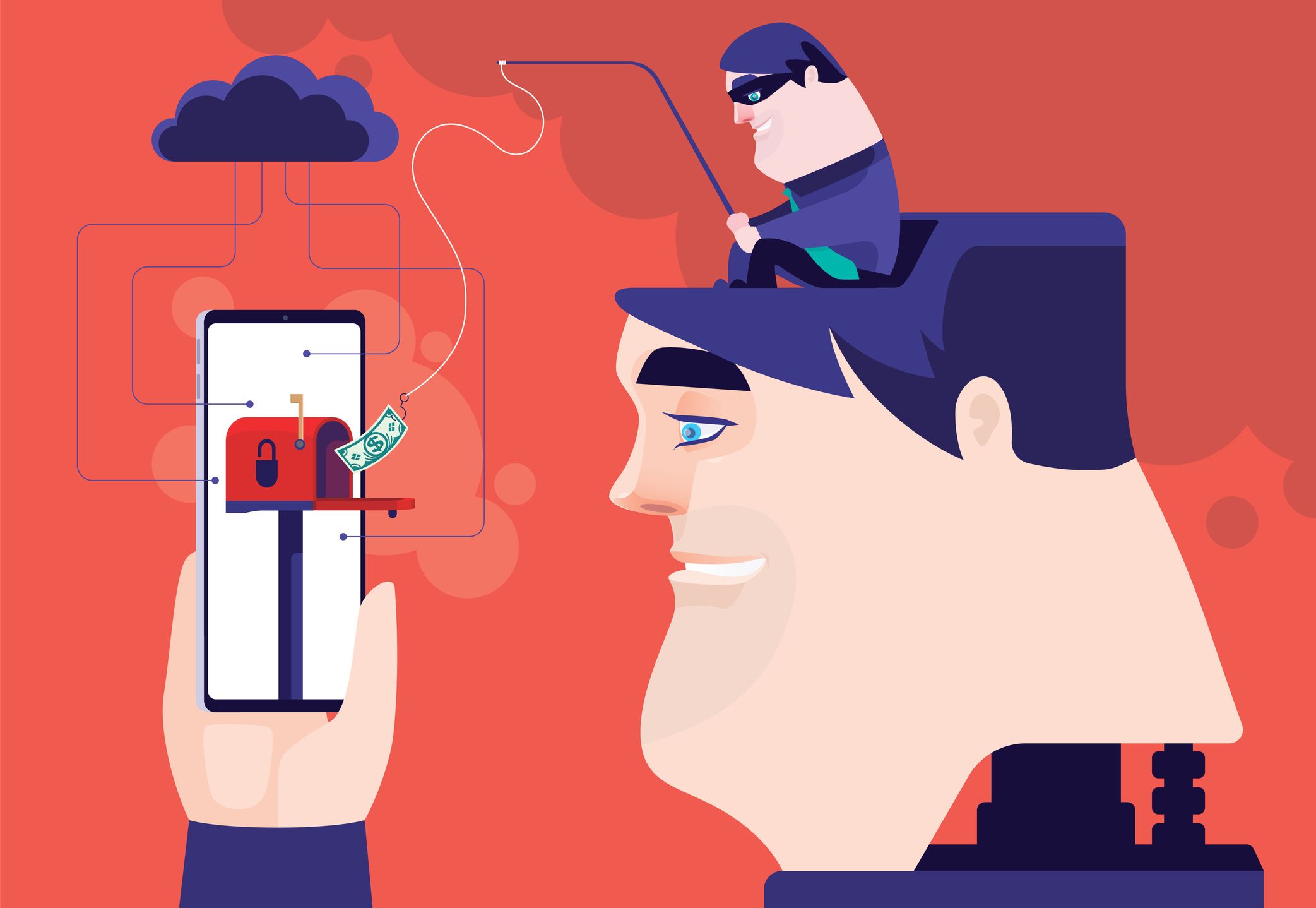
Digital scams used to be easier to spot than picking out a ketchup stain on a white T-shirt. There were so many typos and false promises of riches if you helped foreign royalty. However, the nature of these threats has become more personalized, making them a bit trickier to discern fact from fiction.
“I have had family members receive notifications about having viruses on their computers,” Michael Scheumack, a cybersecurity expert and IDIQ’s chief marketing and innovation officer, told Kiplinger. “It turned out that it was bad-faith actors who created an elaborate ruse, setting up a fake help desk, and my family paid thousands of dollars for a fix they didn’t need.”
As scams become more elaborate, it’s more important than ever to exercise caution. Scammers use geopolitical threats like the Iran war, AI and other methods to create personalized scams that are becoming harder to decipher. But there are best practices to keep your information and finances safe.
Article continues below
Sign up for Kiplinger’s Free Newsletters
Profit and prosper with the best of expert advice on investing, taxes, retirement, personal finance and more – straight to your e-mail.
Profit and prosper with the best of expert advice – straight to your e-mail.
How hackers exploit global events

(Image credit: Getty Images)
The war in Iran has already brought higher gas prices, and soon, more expensive goods. But digital thieves are also looking to wipe out your bank accounts by appealing to your compassion.
“Expect charitable scams to rise,” Scheumack notes. “Hackers use this time to create elaborate ads on Facebook and other social media sites to encourage people to help those in need.”
Pay close attention to any charities seeking aid for displaced children, war victims or humanitarian relief. Don’t click on any ad popping up on social media; it can be a fraudulent website by scammers, where once you donate, they can use your information to empty your bank account. Instead, use a website like Charity Navigator to investigate the charity in question before taking further action.

(Image credit: Getty Images)
It used to be difficult to find information on anyone. But social media encourages people to share — too much, I might add — and now thieves can run targeted scams just by following your online behaviors.
Let me give you an example: Maybe you just went to Florida for some relaxation. You come back home to find a surprising text stating that you owe tolls from Florida highways, and if you don’t pay now, you could face a suspended registration.
Thieves scour social media sites for information. Then they employ AI to create personalized messages that look legit, even to the letterhead. They even use AI to create voices that can mimic an agent or agency, making it harder to determine whether they’re legit.
Therein lies where scams head. Here’s how you can fight back.
Don’t take the bait: Expert tips to protect you
Here are ways you can protect yourself from becoming a victim:
- Analyze the tone: “Scammers create a sense of urgency because they want you to make a decision without thinking about it,” Scheumack notes. As such, if the message or ad comes across as talking to a car salesman, your best bet is to step back and…
- Verify the sender: Don’t trust anyone online and research any information presented — like an email address, phone number or charity name. “The other thing to keep in mind,” Scheumack says, “is that bank and credit card companies have changed the way they interact with customers, offering information up front as a way of verifying who they are.” A best practice is to gather information when you receive a call, verify who they are, and if they’re legit, call them back using a number you can verify (like by using the phone number on the back of a credit card).
- Pay attention to timing: Scammers are opportunistic. Along with creating false charity ads during geopolitical conflicts, they can use AI to clone an accountant’s voice during tax season. Or, they create elaborate email phishing attempts when you shop. “I returned an item to Amazon and received an email saying my refund was on hold,” Scheumack says. The timing of this can give you pause and might even nudge you to act. But that’s why it’s imperative to pull back, examine all the clues and do your homework.
- Use two-factor authentication: Say you made an oopsie and decided to click on a link to donate to a charity. If your bank has two-factor authentication, it can still protect you since thieves might not be able to access the code sent to your phone or email to get your bank account.
Every layer of protection you use creates another impediment thieves must work through to access your information. Additionally, consider a strong password manager, as it creates unique, hard-to-crack passwords and stores them securely. So, even if hackers gain access to some of your information, it still makes it difficult for them to get into your accounts.
Becoming a digital Columbo protects your finances
While scammers’ ploys have become more elaborate, it’s easier than ever to not engage with them. Avoid responding to urgent messages until you have the time to investigate them since you’re not under any real pressure to comply.
Moreover, while bad-faith actors use AI and social media to their advantage, so can you. Use these research tools to investigate any company or toll agency reaching out to you and stay up to date on the latest scams. Keeping informed and trusting your gut can be your best protection against losing cash.
